2026 Best Charging Pile Industry Innovations and Trends to Watch?
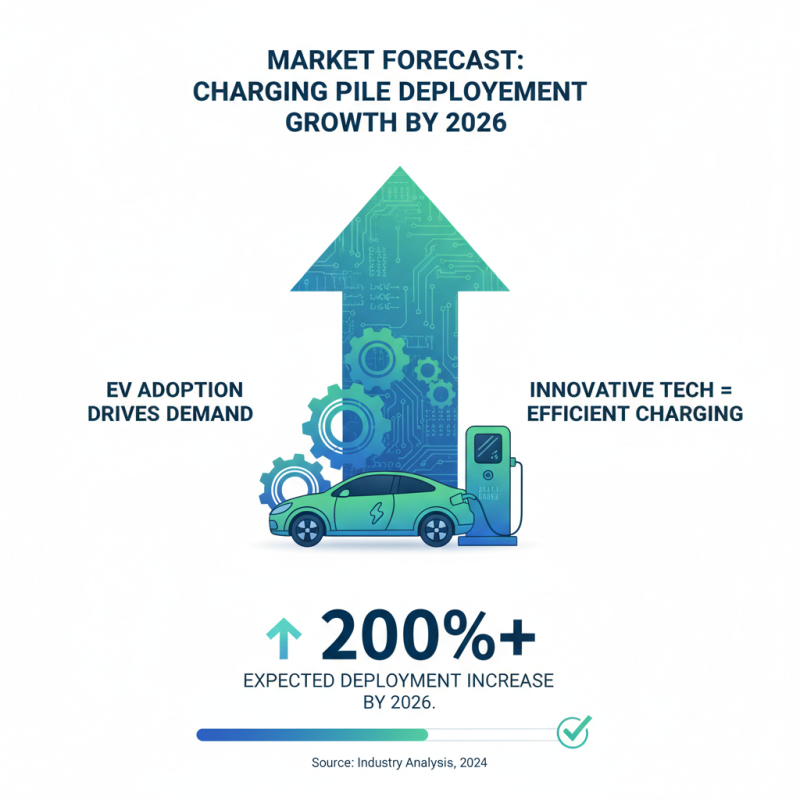
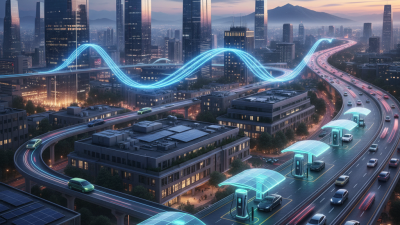
The Charging Pile Industry is on the brink of significant transformation by 2026. Innovations are emerging rapidly, driven by technological advancements and growing demand for electric vehicles. Increased connectivity will enhance user experience and efficiency in charging solutions.
Several key trends are becoming apparent. Smart charging piles will integrate with renewable energy sources, promoting sustainability. Enhanced features, such as AI-driven navigation, will become standard. Buyers can expect better operational efficiency. The upcoming Canton Fair highlights these innovations, emphasizing advanced manufacturing and electronic appliances.
However, challenges remain. Companies must adapt to evolving regulations and consumer expectations. The market is competitive, and not all innovations will lead to success. With a focus on quality, the Charging Pile Industry has room for improvement. Attention to these factors will be essential for future growth.
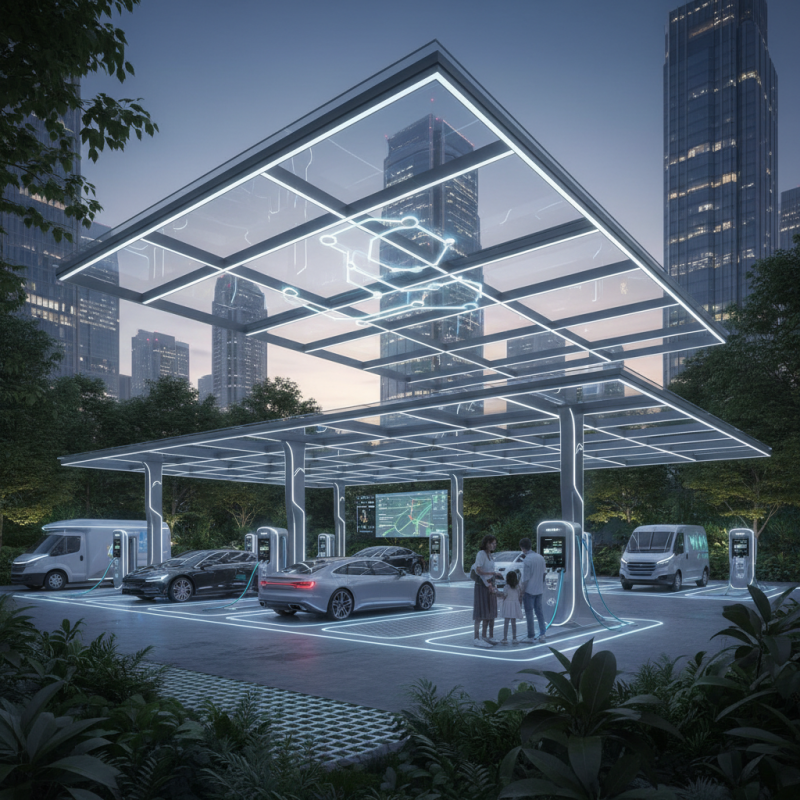
2026 Trends in Electric Vehicle Charging Pile Technology Advancements
As we approach 2026, advancements in electric vehicle charging pile technology are set to transform the landscape of EV infrastructure. One major trend is the shift towards ultra-fast charging solutions. These systems can significantly reduce charging times, allowing drivers to recharge their vehicles in minutes rather than hours. Imagine being able to grab a coffee and have your car fully charged by the time you finish. This rapid technology is a game changer for urban settings.
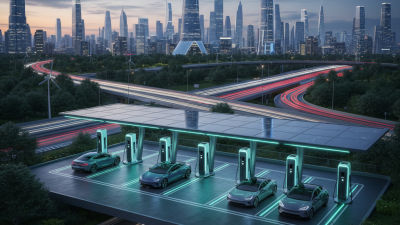
Another innovation lies in the integration of renewable energy sources within charging piles. Solar panels on charging stations could harness clean energy to power vehicles. This promotes sustainability and reduces reliance on the grid. However, the effectiveness of solar-powered piles can be inconsistent due to weather variances. Thus, continuous improvements and maintenance practices are necessary.
Wireless charging technology is also on the rise. This concept eliminates the need for physical cables and connectors. Users can simply park their EVs over charging pads. It feels futuristic and convenient. However, the cost of installation remains a barrier. The technology must be affordable to reach widespread adoption. These advancements illustrate an exciting, yet imperfect journey toward a more efficient future for electric vehicle charging.
2026 Trends in Electric Vehicle Charging Pile Technology Advancements
Impact of Government Policies on Charging Pile Industry Innovations
Government policies play a crucial role in shaping innovations within the charging pile industry. With the global push for electrification, policies are vital. For instance, a recent report noted that government incentives have led to a 25% increase in charging pile installations in urban areas. These installations are largely influenced by subsidies aimed at reducing costs for consumers.
The push for stricter emission regulations has also driven innovation. Many countries now mandate that new buildings include electric vehicle charging infrastructure. This requirement has sparked a surge in demand for more efficient and affordable charging solutions. In fact, a study from the International Energy Agency found that charging infrastructure needs to increase threefold by 2030 to meet future demand.
Despite these advancements, challenges remain. Not all regions are equally supportive of electric vehicle initiatives. Some policies are limited or inconsistent, creating uncertainty for investors. Additionally, the technology in charging systems often struggles to keep pace with rapid changes in electric vehicle capabilities. This mismatch can hinder the rollout of effective solutions and dampen growth prospects.
Integration of Renewable Energy Solutions in Charging Station Infrastructure
The integration of renewable energy solutions into charging station infrastructure is a hot topic. Solar panels are increasingly being used at charging stations. They provide clean energy while reducing costs. However, the installation process can be complex. Not every location is suitable for solar panels. Factors like sunlight exposure must be carefully evaluated.
Wind energy is another innovative option. Small wind turbines can complement solar power. These turbines can generate energy during cloudy days or at night. Yet, they require significant upfront investment. Some communities may resist their installation due to noise concerns.
Battery storage systems are essential for this integration. They can store excess energy for later use. Nevertheless, their high cost can be prohibitive for many operators. Additionally, recycling used batteries presents environmental challenges. Each of these factors needs to be addressed for successful implementation. It’s a journey that requires careful planning and local engagement.
2026 Best Charging Pile Industry Innovations and Trends to Watch
| Innovation/Trend |
Description |
Impact on Industry |
Adoption Rate (%) |
Projected Growth (2022-2026) |
| Smart Charging Solutions |
Integration of AI to optimize energy distribution based on demand. |
Enhances efficiency and reduces operational costs. |
65% |
30% |
| Vehicle-to-Grid (V2G) Technology |
Allows EVs to send energy back to the grid. |
Promotes renewable energy usage and stabilizes grid. |
50% |
25% |
| Wireless Charging Stations |
Use of inductive charging technology for EVs. |
Increases convenience for users, reducing charging time. |
40% |
35% |
| Renewable Energy Integration |
Charging stations powered by solar/wind energy. |
Reduces carbon footprint and energy costs. |
70% |
40% |
| Fast Charging Technology |
Development of ultra-rapid charging stations. |
Significantly reduces waiting times for charging. |
75% |
50% |
Smart Charging Solutions: Enhancing User Experience and Efficiency
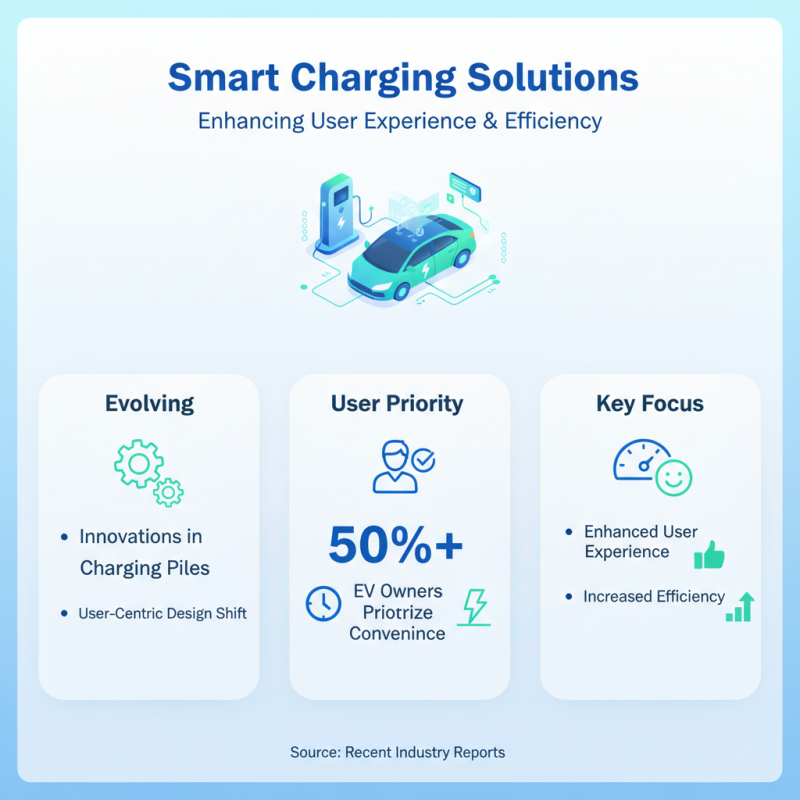
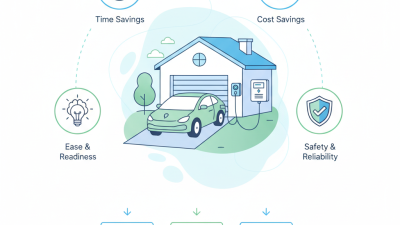
The landscape of smart charging solutions is rapidly evolving. Innovations in charging piles are increasingly focused on enhancing user experience and efficiency. According to recent industry reports, over 50% of electric vehicle owners prioritize convenience when selecting charging solutions. This trend signifies a shift towards user-centric design.
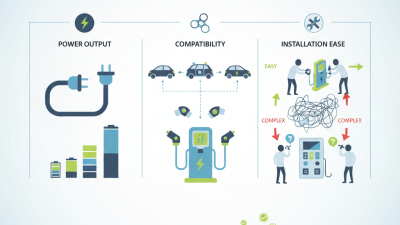
Smart charging solutions integrate advanced features. These include real-time monitoring, user-friendly interfaces, and payment options. Enhanced connectivity allows for seamless integration with mobile apps. However, many existing systems still struggle with user accessibility. Reportedly, 30% of customers find the current interface unintuitive.
Data indicates that charging speed is another critical factor. A recent study showed that 70% of users prefer faster charging solutions. Despite innovations, some charging piles remain slow and inefficient. This gap highlights the need for continued investment in research and development. Users demand both speed and reliability, yet many existing technologies do not meet these expectations.