2026 Best Electric Vehicle Charging Station Solutions?
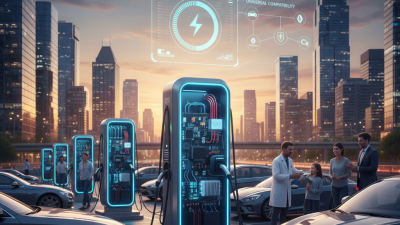
As electric vehicles are becoming increasingly popular, the demand for reliable Electric Vehicle Charging Station solutions has surged. In 2026, users expect more than just convenience. They seek efficiency, accessibility, and sustainability. The growth of the EV market emphasizes the need for strategically placed charging stations that can support various vehicle types and user behaviors.
Innovations in charging technology are vital. Fast-charging stations, solar-powered options, and smart network integrations enhance user experiences. However, there are challenges. Not all areas are well-served by charging infrastructure. Rural regions often struggle to find sufficient stations. This gap creates frustration among EV owners and hinders growth.
The future of Electric Vehicle Charging Stations will rely on partnerships between governments and private sectors. Establishing clear guidelines is essential for reliable installations. Addressing these shortcomings can lead to an improved, user-friendly charging network. Only through careful planning and execution can we fulfill the promises made to the EV community.
Overview of Electric Vehicle Charging Stations in 2026
The landscape of electric vehicle (EV) charging stations in 2026 presents exciting developments. According to a recent report from the International Energy Agency (IEA), the number of public charging points is expected to reach over 3 million by 2026. This marks a significant increase from 1.3 million in 2021, reflecting the accelerating shift towards electric mobility. This growth is essential as more consumers transition to EVs for sustainability.
By 2026, fast-charging stations will play a pivotal role. Studies indicate that around 60% of public charging infrastructure may feature DC fast chargers, capable of delivering 80% battery capacity in about 30 minutes. However, accessibility remains a concern. Many urban areas struggle with the uneven distribution of charging stations, leading to potential "charging deserts." This unevenness can affect EV adoption rates, especially in low-income neighborhoods.
Optimizing charging solutions is key. Various approaches, such as integrating renewable energy sources and utilizing smart grids, can enhance efficiency. Still, challenges persist. The reliability of charging equipment and long wait times at popular stations demand attention. As we approach 2026, collaboration among governments, utilities, and private sectors will be crucial to address these issues and ensure that EV charging infrastructure meets future demands.
Types of Charging Solutions for Electric Vehicles
Electric vehicle charging solutions come in various types, catering to diverse needs. Level 1 chargers are the most basic option. They use standard household outlets. Although they are easy to find, charging is slow. A full charge can take up to 24 hours. Homeowners with time flexibility often prefer this method. However, for those on the go, this option can be impractical.
Level 2 chargers provide a faster alternative. They require a dedicated circuit and are found in public spaces, workplaces, and homes. Charging times are significantly reduced, often within a few hours. This type is ideal for workplaces where employees can plug in during the day. On the other hand, the installation cost can be a barrier for some.
DC fast chargers represent the quickest solution. They are mostly located at highway stations and can charge an electric vehicle in under an hour. However, they are costly and require significant infrastructure investment. While their speed is an advantage, concerns about convenience and station availability persist. Each charging solution has trade-offs, and users must weigh them based on individual needs.
2026 Electric Vehicle Charging Station Solutions
Key Features to Look for in Charging Station Technology
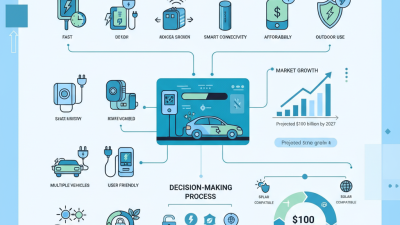
When evaluating electric vehicle charging station technology, key features can significantly impact user experience and efficiency. One important aspect is charging speed. Fast chargers can reduce wait times, making stations more appealing to drivers. Look for options that offer various power outputs to accommodate different vehicle models. Some stations can provide a full charge in under an hour, which is crucial for busy users.
Another factor to consider is connectivity and software integration. Stations equipped with mobile app support allow users to monitor charging progress and find available locations easily. User-friendly interfaces enhance accessibility, especially for new EV drivers. Compatibility with payment systems is essential, ensuring convenience and security during transactions.
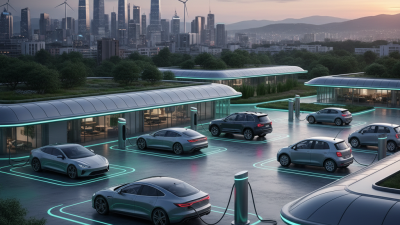
Additionally, consider the station's location and accessibility. Ideal placements near shopping centers or restaurants encourage drivers to plug in while they wait. However, some locations still lack adequate infrastructure, leading to longer distances between stations. This gap illustrates the need for improved planning and investment in EV charging networks to support increasing electric vehicle ownership. Continuous adaptation and innovation in charging technology remain necessary for meeting future demands.
2026 Best Electric Vehicle Charging Station Solutions
| Charging Station Type |
Charging Speed (kW) |
Connector Types |
Payment Options |
Smart Features |
| Level 1 |
1.4 - 2.4 kW |
NEMA 5-15 |
Credit Card |
None |
| Level 2 |
3.7 - 22 kW |
Type 1, Type 2 |
App Payment, Credit Card |
Remote Monitoring |
| DC Fast Charging |
50 - 350 kW |
CHAdeMO, CCS |
Subscription, RFID |
Real-time Data, Scheduling |
| Wireless Charging |
3 - 11 kW |
Inductive |
Mobile Payments |
Smart Home Integration |
Economic and Environmental Benefits of Advanced Charging Solutions
As electric vehicle (EV) adoption soars, advanced charging solutions offer significant economic and environmental benefits. A recent report from the International Energy Agency predicts that by 2030, electric vehicles could make up 30% of all vehicles sold globally. This transition will reduce greenhouse gas emissions significantly, provided the electricity used for charging comes from renewable sources.
Electric vehicle charging stations are increasingly integrating smart technology, allowing for better energy management. These systems can adjust charging rates based on grid demand. This not only saves money but also stabilizes the grid. When EVs are charged during off-peak hours, the overall carbon footprint decreases, benefiting the environment.
Tips: Look for charging stations that utilize renewable energy. This can further impact your carbon footprint positively. Regularly assess your charging habits as technology evolves. Each small adjustment can lead to larger savings and environmental improvements. Make charging decisions that consider local energy resources. Small changes lead to big impacts.
Future Trends Shaping Electric Vehicle Charging Infrastructure
As electric vehicle (EV) adoption increases, the need for robust charging infrastructure becomes paramount. Future trends point towards faster charging solutions and greater accessibility. Innovations such as ultrafast chargers are emerging, capable of replenishing EV batteries in under 30 minutes. This shift emphasizes convenience for drivers, making electric vehicles more appealing.
Tips: Consider the location for charging stations carefully. Sites near retail spaces enable drivers to shop while charging. This dual-purpose approach boosts user experience and station utilization.
Moreover, integrating renewable energy sources into charging networks is gaining traction. Solar panels can power charging stations, reducing dependence on fossil fuels. This trend aligns with eco-friendly practices and may lower operational costs. However, the challenge lies in weather variability and storage solutions for excess power generated.
Tips: Monitor local incentives for renewable energy projects. These programs often reduce installation costs and promote sustainability in community planning. Engage with local governments to understand zoning laws that support EV infrastructure.
As the market evolves, it's vital to stay informed about new technologies and policies. These elements will shape the landscape of electric vehicle charging. Adapting to these changes is crucial for stakeholders in this rapidly advancing field.