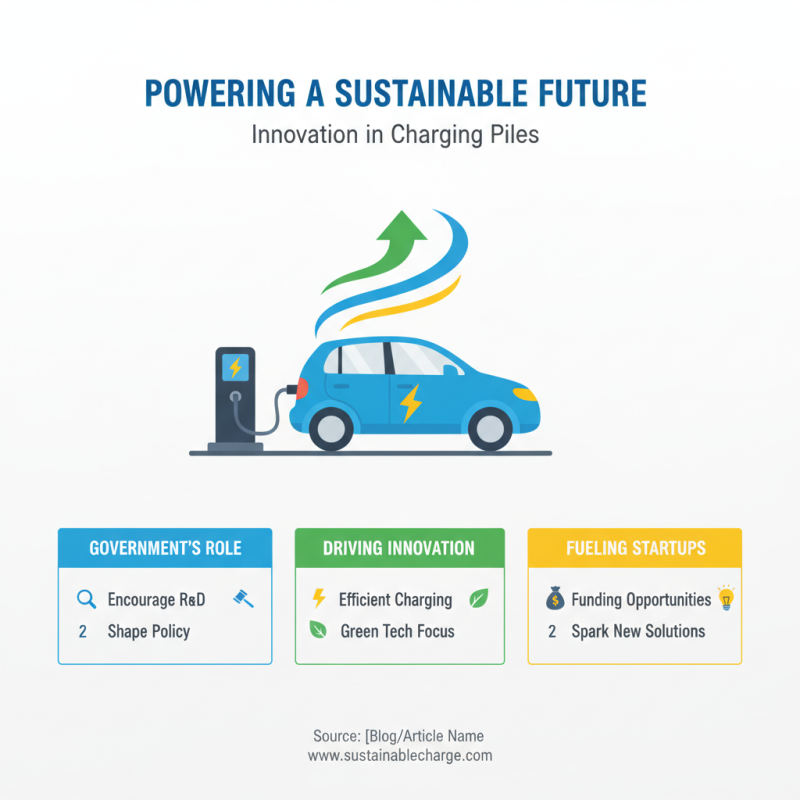
2026 How to Innovate in Charging Pile Industries for a Greener Future?
As we approach 2026, the urgency for sustainable solutions grows. The Charging Pile Industries play a pivotal role in reducing carbon emissions. These infrastructures are vital for the electric vehicle revolution. However, innovation in this sector is still lagging behind other green technologies.
Implementing smart technologies is crucial. Integrating renewable energy sources can enhance efficiency. Yet, many charging stations still rely on outdated systems. Accessibility is another significant concern. Some areas lack sufficient charging points, hindering electric vehicle adoption.
While progress is being made, challenges remain. Companies must rethink their strategies. Collaboration between stakeholders is essential. The goal? A greener future within the Charging Pile Industries. Innovative ideas can lead to better solutions. The journey requires reflection and commitment. Let's embrace this opportunity for a sustainable world.
Emerging Trends in Electric Vehicle Charging Technologies
The electric vehicle (EV) market is evolving rapidly. By 2026, global EV sales are projected to push past 15 million units per year. This surge requires significant advancements in charging technologies. The demand for faster, more efficient charging piles is paramount.
Emerging trends highlight several innovative approaches. Wireless charging systems are gaining traction. These systems can facilitate charging without physical connectors, enhancing user convenience. Additionally, ultra-fast charging stations are being developed. Some can replenish an EV battery to 80% in just 15 minutes. However, the infrastructure is still under strain. Many regions lack sufficient charging facilities. Reports show that 60% of EV owners cite charging availability as a top concern.
Battery technology also plays a crucial role. Solid-state batteries promise increased efficiency and safety. Their energy density outperforms current lithium-ion batteries. However, production remains costly and complex. The industry must balance innovation with practical solutions. Scaling up these technologies while ensuring affordability will remain a challenge. The goal is not just innovation but creating a sustainable ecosystem for EV charging.
Sustainable Materials for Charging Pile Construction
The charging pile industry is evolving. Sustainable materials are crucial for a greener future. Using eco-friendly components is becoming necessary. These materials can reduce carbon footprints significantly.
Concrete is a common choice, but it can be improved. Research suggests incorporating recycled aggregates. This minimizes waste and takes advantage of existing materials. Steel is another area to consider. Opting for recycled steel can enhance durability while saving resources.
**Tips:**
Consider local sourcing for sustainable materials. This reduces transportation impacts. Always evaluate the lifecycle of materials used. Choose options that last longer and require less maintenance.
Innovation in design is also essential. Modular designs can use materials more effectively. Emphasizing repairable features ensures longer life spans. Improvement is needed in how we perceive waste. Shifting from linear to circular thinking influences material choices.
Innovative Material Usage in Charging Pile Construction (2026)
Innovative Design Approaches for Enhanced Charging Efficiency
In the quest for a greener future, innovative design approaches are essential in the charging pile industry. One effective method is modular design. This allows charging stations to be easily upgraded or expanded. It gives flexibility in accommodating new technologies as they emerge. Each module can serve different power levels. This adaptability can enhance user experience significantly.
Another important aspect is energy efficiency. Integrating smart technology into charging piles can lead to substantial improvements. Real-time data analytics can optimize charging times, reducing energy waste. However, there are challenges. Not all charging stations are equipped with the necessary sensors to track user behavior effectively. Without proper data, making informed design choices becomes difficult.
Finally, aesthetic appeal should not be overlooked. A well-designed charging pile can blend seamlessly into urban landscapes. Creative designs can attract more users and promote eco-friendly habits. Yet, achieving this balance is tricky. Manufacturers might prioritize utility over beauty. This could lead to stations that are functional but visually unappealing. Reflecting on these design choices can push the industry toward a more sustainable future.
Integration of Renewable Energy Sources in Charging Infrastructure
The integration of renewable energy sources in charging infrastructure is vital for a sustainable future. Solar panels and wind turbines can power charging piles, reducing reliance on fossil fuels. This transition not only supports cleaner energy but also enhances grid stability. Communities can benefit from local energy sources, minimizing transmission losses.
Tips: Evaluate available renewable resources in your area. Consider partnerships with local energy providers. Understand the potential for energy storage solutions to enhance the charging network.
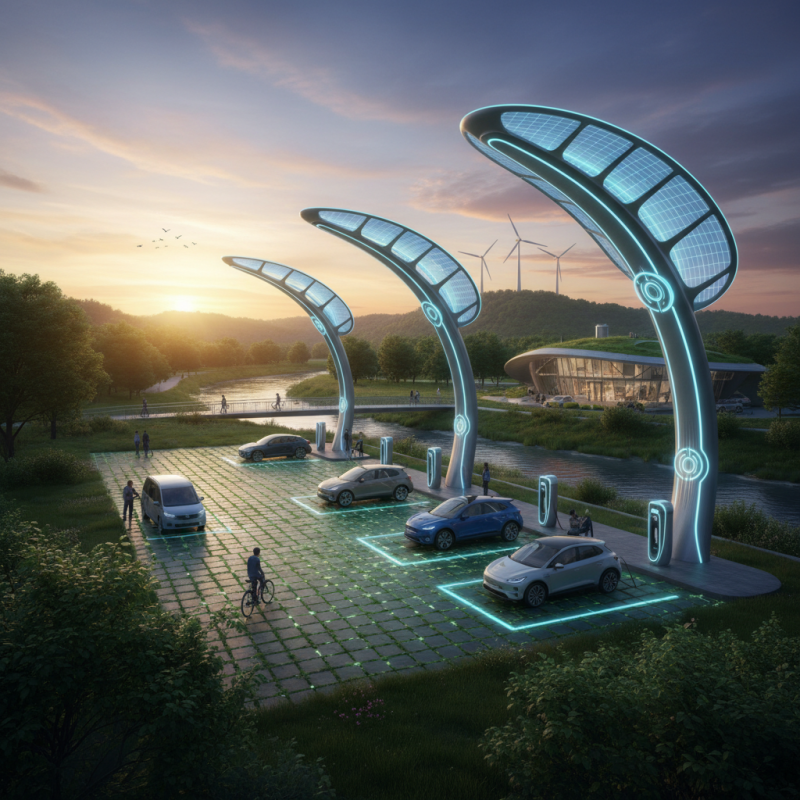
Charging stations can incorporate innovative designs. Imagine a station topped with solar canopies, sheltering vehicles while generating power. This dual function maximizes space and benefits users. Encourage user engagement by offering incentives for charging during peak renewable production times.
Tips: Promote awareness of the environmental impact of renewable charging. Educate users on how to maximize efficiency during different weather conditions.
The challenge lies in scaling these solutions. Many regions lack adequate infrastructure. Incentivizing development can bridge this gap. Continuous feedback is essential to improve the system. Collaboration among stakeholders is necessary for measurable progress.