What is an AC EV Charger and How Does it Work?
Electric vehicles (EVs) are becoming increasingly popular. As a result, the demand for charging solutions is growing. One essential charging option is the AC EV Charger. Understanding how it functions is crucial for any EV owner.
An AC EV Charger converts Alternating Current (AC) from the grid into a form suitable for vehicle batteries. This charger is typically slower than its DC counterpart. However, it is often more accessible, as most homes and public charging stations use AC. Many EV owners find this type of charger sufficient for daily needs. Still, some may require faster options for longer trips.
It’s important to note that not all AC EV Chargers are the same. They come in different power ratings and may affect charging time. EV owners should consider their specific driving habits. A mismatch could lead to frustration. Understanding the nuances of AC EV Chargers can enhance the overall EV experience. It adds a layer of convenience to charging at home or on the road.
What Is an AC EV Charger?
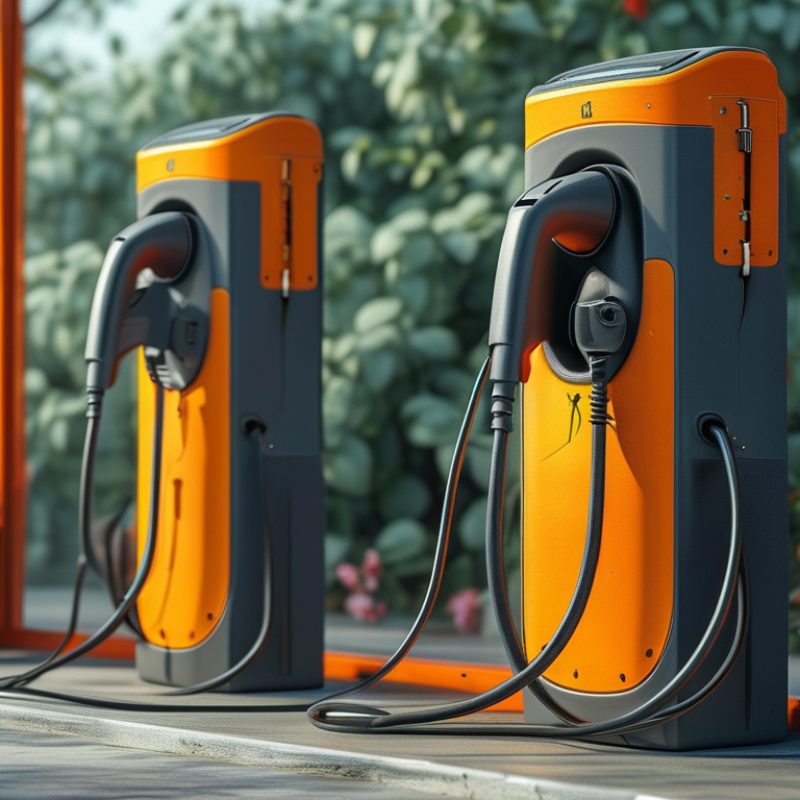
An AC EV charger, or alternating current electric vehicle charger, is a vital part of the electric vehicle ecosystem. It primarily converts the grid’s alternating current into the direct current needed to charge an EV's battery. This charger can typically be found in residential areas, parking lots, and public charging stations. Its design allows users to plug in their vehicles and charge them during long stops, like at home overnight or while shopping.
The charging process can vary in speed, with some units providing Level 1 or Level 2 charging. Level 1 chargers use standard household outlets and take longer, while Level 2 chargers offer faster charging capabilities. Many people may underestimate how long charging can actually take. This can lead to stress or impatience, especially if unexpected delays occur. Moreover, it’s essential to ensure the charging station is compatible with your vehicle to avoid complications. One must be mindful of scheduling charges properly, as peak hours might lead to slower charging times or higher costs.
Electric Vehicle (EV) Charging Types
This chart compares different types of EV chargers: AC Level 1, AC Level 2, and DC Fast Charging, highlighting their respective charging power levels measured in kilowatts (kW). AC Level 1 chargers are best for home use, while DC Fast Chargers are suitable for quick refueling at public stations.
Components of an AC EV Charger
An AC EV charger is an essential component for electric vehicle owners. It converts alternating current (AC) from your home or public grid into usable energy for the vehicle’s battery. The main components of an AC charger include the charging cable, connectors, and the power electronics. Each part plays a crucial role in the charging process, ensuring efficiency and safety.
The charging cable is typically durable and may come in various lengths. It connects the charger to the vehicle’s inlet. Connectors, often standardized, ensure compatibility with different vehicle models. The power electronics manage the flow of electricity. They regulate voltage and current, preventing overload. Without these components, charging would be inefficient or dangerous.
While these components are designed for efficiency, there can be issues. Overheating is a concern during prolonged charging. Additionally, compatibility problems can arise, causing frustration for users. Regular maintenance and awareness can help mitigate these challenges. Understanding these elements can lead to better charging experiences and informed decisions.
What is an AC EV Charger and How Does it Work? - Components of an AC EV Charger
| Component |
Function |
Typical Specification |
| AC Charging Cable |
Transmits AC power from the charger to the vehicle |
Type 1/Type 2 connectors |
| Charging Station |
Houses the charging electronics and user interface |
Power output: 3.7 kW to 22 kW |
| Control Unit |
Monitors and manages the charging process |
Microcontroller with firmware |
| Safety Mechanisms |
Protects the user and equipment from faults |
Residual Current Device (RCD) |
| User Interface |
Allows interaction for start/stop charging |
LCD display or LED indicators |
| Cooling System |
Maintains optimal operating temperature |
Active or passive cooling |
How Does an AC EV Charger Work?
An AC EV charger primarily functions by converting alternating current from the electrical grid into a form that can be used to charge electric vehicles. This process involves several components, including a power conversion unit, connectors, and safety features. The power conversion unit manages the voltage and current to ensure they align with the specifications of the vehicle’s battery.
Charging an electric vehicle with AC power is generally slower compared to DC fast charging. However, it is still effective for overnight charging at home or during long parking periods. A typical home installation may take around 6 to 8 hours to fully charge a car. The simplicity of using standard wall outlets makes it accessible.
Despite this convenience, there can be drawbacks. Users may sometimes encounter compatibility issues with certain vehicle models. Additionally, not all electrical systems can support the required load for charging. Understanding your home’s electrical capacity is crucial to avoid potential hazards. Regular maintenance of the charger and connections is also vital for safe operation and efficiency.
Types of AC EV Chargers Available in the Market
AC EV chargers are crucial for electric vehicle (EV) owners, especially in the residential market. They come in various types, catering to different needs and preferences. Level 1 chargers provide basic home functionality. They typically deliver 120 volts, allowing for slow charging, usually overnight. However, this low speed may not meet the needs of heavy users.
On the other hand, Level 2 chargers offer improved charging times. Operating at 240 volts, these chargers can replenish an EV's battery in just a few hours. According to a recent industry report, the Level 2 chargers dominate the market, accounting for around 70% of sales. This popularity stems from their balance between charging speed and affordability, a key concern for many consumers.
DC fast chargers represent the next step for rapid charging. These high-power units can charge an EV up to 80% in under 30 minutes. However, their installation costs remain a barrier. Market research indicates that while these chargers are growing in presence, they still represent about 10% of the overall AC charger market. There’s a need for infrastructure investment to drive broader adoption.
Installation and Maintenance of AC EV Chargers
Installing an AC EV charger at home can be a practical choice for electric vehicle owners. It's essential to assess your electrical system before installation. A licensed electrician should inspect your wiring and capacity. They can determine if upgrades are needed. This step prevents potential hazards and ensures safety during your charging sessions.
Maintenance of your AC EV charger is crucial for its longevity. Regularly check for any physical damage. Look for wear in cables or connections. Dust and debris might accumulate, affecting performance. Cleaning the charger ensures it functions efficiently. Keep in mind, using the charger under recommended conditions enhances durability. If any issues arise, consulting an expert can prevent bigger problems.