In recent years, the rise of electric vehicles (EVs) has transformed the automotive landscape. Central to this revolution is DC Fast Charging, a technology that significantly enhances the EV ownership experience. This charging method allows drivers to recharge their vehicles in a fraction of the time compared to traditional methods. Imagine stopping for a break and leaving with a full battery, ready for the road.
DC Fast Charging not only offers convenience but also supports the growing demand for sustainable transportation. It enables longer journeys, breaking down the barriers many potential EV users face. However, challenges remain. Not all areas have access to fast charging stations. Additionally, the cost of installation can be high. Reflecting on these issues can guide future improvements.
The benefits of DC Fast Charging extend beyond personal convenience. They contribute to a more robust charging infrastructure, encouraging widespread adoption of electric vehicles. As the world transitions to greener energy, embracing efficient charging solutions is vital. The journey toward a sustainable future is still ongoing, and fast charging represents a critical piece of that puzzle.
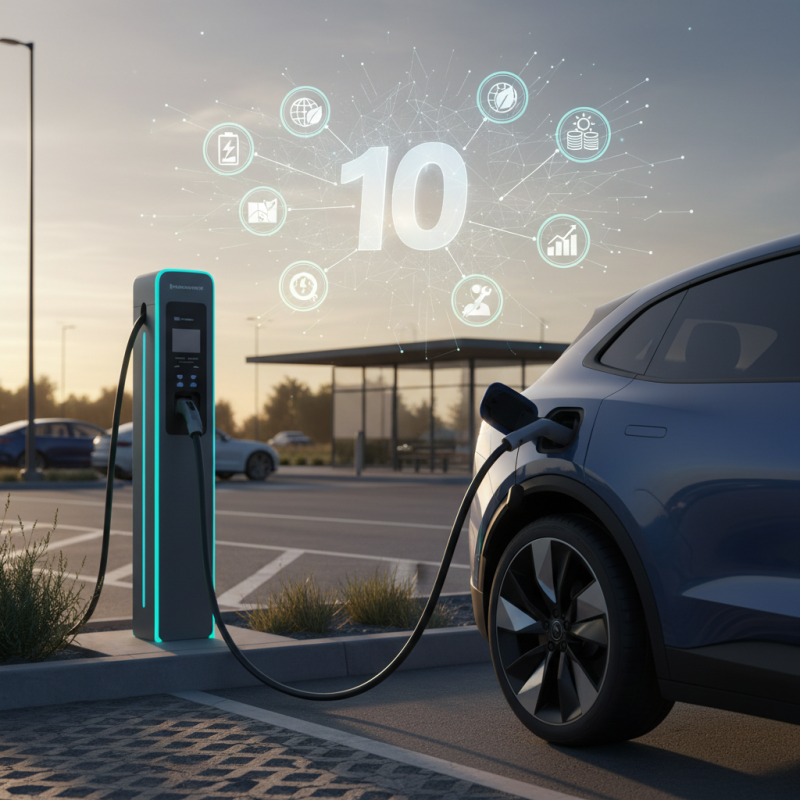
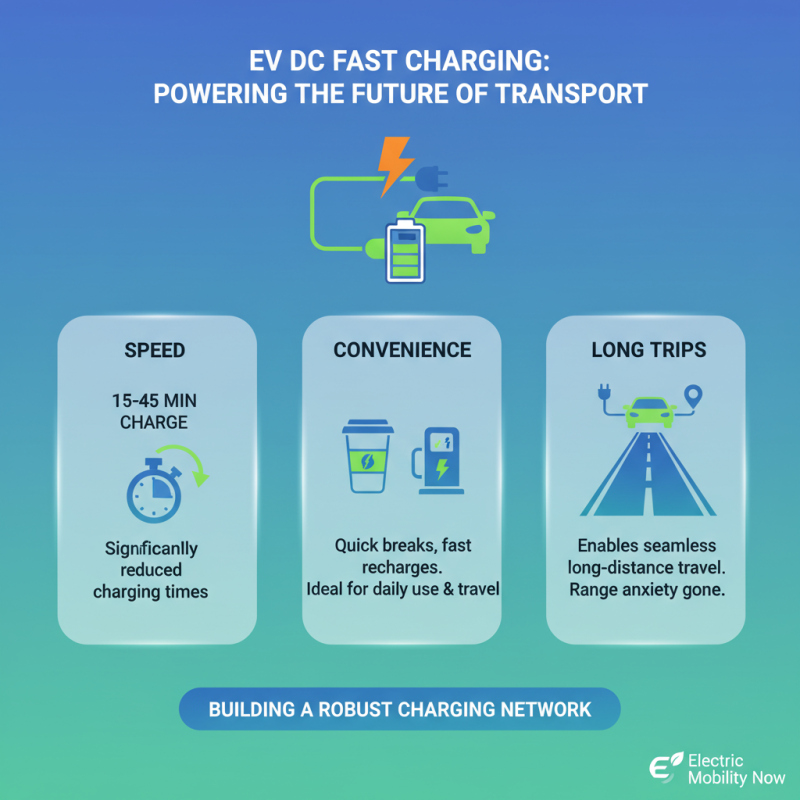
DC fast charging brings numerous advantages for electric vehicle (EV) owners. This technology enables rapid charging, allowing cars to reach 80% in as little as 30 minutes. It's a game-changer for long trips. Drivers can grab a coffee or a snack and return to a fully charged vehicle. This convenience makes EVs a practical choice for many people.
Tips: Always check the availability of fast chargers along your route. Knowing where to stop can save you time and help you avoid range anxiety. Keep your vehicle's battery condition in mind. A battery in poor health may not take advantage of fast charging fully.
DC fast charging stations are becoming more prevalent. This growth enhances the overall charging infrastructure. However, accessibility can still vary. In some areas, charging points are sparse. Planning ahead is essential to avoid frustration.
Tips: Use apps that map charging stations. These tools provide real-time information on charger status and availability. Consider joining networks that offer membership perks for faster charging.
DC fast charging has revolutionized the electric vehicle (EV) landscape. By significantly reducing charging times, it lessens downtime for users. Reports show that a DC fast charger can recharge an EV battery up to 80% in about 30 minutes. This speed can transform a multi-hour ordeal into a mere pit stop, allowing users to resume their journeys quickly.
However, not all fast charging stations are created equal. The efficiency of these chargers often varies based on the network and the charging infrastructure available. This inconsistency can lead to frustration and uncertainty for drivers. In an industry where convenience is crucial, any delays can impact user satisfaction. According to recent studies, up to 40% of EV owners express concerns about available fast charging options.
The rapid advancement in charging technology must also focus on reliability. While fast chargers reduce downtime, the infrastructure needs improvement. Users still report long wait times at popular stations. Additionally, as more EVs hit the road, the demand for faster and more accessible charging solutions will surge. Balancing rapid charging with user-friendly access remains a challenge that the industry continues to face.
| Benefit | Description | Impact on EV Users |
|---|---|---|
| Faster Charging Times | DC fast chargers can provide an 80% charge in 30 minutes. | Reduces wait time significantly for users. |
| Convenience | Quick charging stations are located near highways and urban areas. | Easier access for long-distance travel and everyday use. |
| Grid Support | DC fast charging can help maintain grid stability during high demand. | Contributes to a more reliable energy supply for users. |
| Enhanced Range | Longer ranges achievable with quick recharges. | Encourages users to drive longer distances with confidence. |
| Increased Adoption | Faster charging addresses range anxiety, promoting EV adoption. | More users inclined to switch to electric vehicles. |
| Cost-Effective | Lower costs over time compared to gasoline vehicles. | Long-term savings and economic benefits for users. |
| Reduced Emissions | DC fast charging supports renewable energy integrations. | Helps users contribute to environmental sustainability. |
| User-Friendly Interfaces | Modern fast chargers feature intuitive designs. | Easier for users to operate during charging. |
| Technological Advancements | Improvements in charging technology enhance user experience. | Users benefit from quicker and safer charging processes. |
| Availability of Renewable Resources | Support for solar and wind energy in charging infrastructure. | Encourages a cleaner and more sustainable charging option. |
Electric vehicles (EVs) are redefining road trips.
DC fast charging stations make long-distance travel much easier. With charging times reduced to just 30 minutes or less, drivers can recharge while taking breaks. This convenience enhances the overall travel experience. According to a recent report, the global DC fast charging market is expected to grow at a CAGR of 36% by 2027. This increase reflects a rising demand for efficient charging solutions.
Imagine planning a road trip across states. Previously, concerns about charging availability created anxiety. Now, with a dense network of DC fast chargers, this worry lessens. Many newer chargers provide compatible options for various vehicle models. However, infrastructure disparity remains an issue in some areas. A survey indicated that nearly 40% of EV owners still struggle to find reliable charging stations on long journeys.
While the convenience is remarkable, it is not flawless. Some chargers may face outages or maintenance delays. Furthermore, charging speed can vary depending on the vehicle model and charger type. Drivers must adapt their travel plans accordingly. Overall, the integration of DC fast charging empowers EV owners, yet the system needs continuous improvements to function seamlessly across distances.
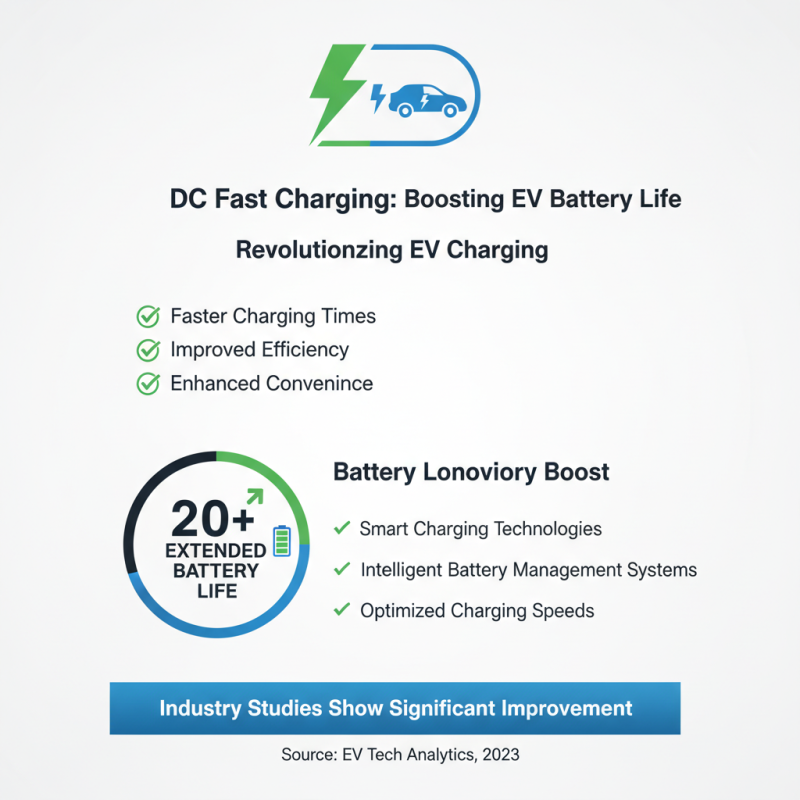
DC fast charging has revolutionized the electric vehicle (EV) landscape. One of the standout benefits is its positive effect on battery life. Smart charging technologies, like intelligent battery management systems, help optimize charging speeds. These systems can reportedly extend battery life by 20% or more, according to studies from industry analysts.
Battery longevity is sensitive to charging practices. Overcharging or rapid discharge can lead to degradation. However, smart chargers monitor battery health continuously. They adjust the charging rate based on temperature and state of charge. This ensures that the battery remains within its optimal operating conditions. Some estimates indicate that with smart charging, EV owners could potentially achieve up to 1,500 additional charging cycles.
Despite advancements, it's key to recognize challenges. Not all fast charging stations have these smart technologies. Many still use outdated systems that might harm battery life. As the market grows, there’s a need for better standards. Infrastructure improvement is not just about speed; it’s about science. Balancing charge speeds with battery care is crucial for the future of EVs. With the right approach, we can maximize benefits while minimizing risks.
As electric vehicles (EVs) become more popular, the need for robust charging infrastructure grows. DC fast charging stations play a key role in this development. They can significantly reduce charging times, making EVs more convenient for everyday use. With the right infrastructure, long trips become less daunting. Drivers can quickly recharge while taking a short break.
However, the rollout of DC fast charging stations isn’t without challenges. Infrastructure development requires funding and planning. Sometimes, communities desire to expand, yet they face local regulations that slow down progress. Not every region has sufficient power supply to support these stations, leading to uneven availability. Planning must include input from multiple stakeholders and address these complexities.
In contrast, increased charging stations can boost EV adoption. People are more likely to purchase an EV if they know charging is accessible. When cities invest in these facilities, they attract more EV users. This action creates a ripple effect, encouraging even more infrastructure development. Still, how do we ensure equity? Every community deserves access to fast charging, not just affluent areas. Balancing growth with fairness is essential for a sustainable future.