Top EV Charging Station Benefits for Electric Vehicle Owners?
Electric vehicles (EVs) are becoming increasingly popular. With this rise, EV charging stations are essential for owners. These stations offer numerous benefits that enhance the ownership experience.
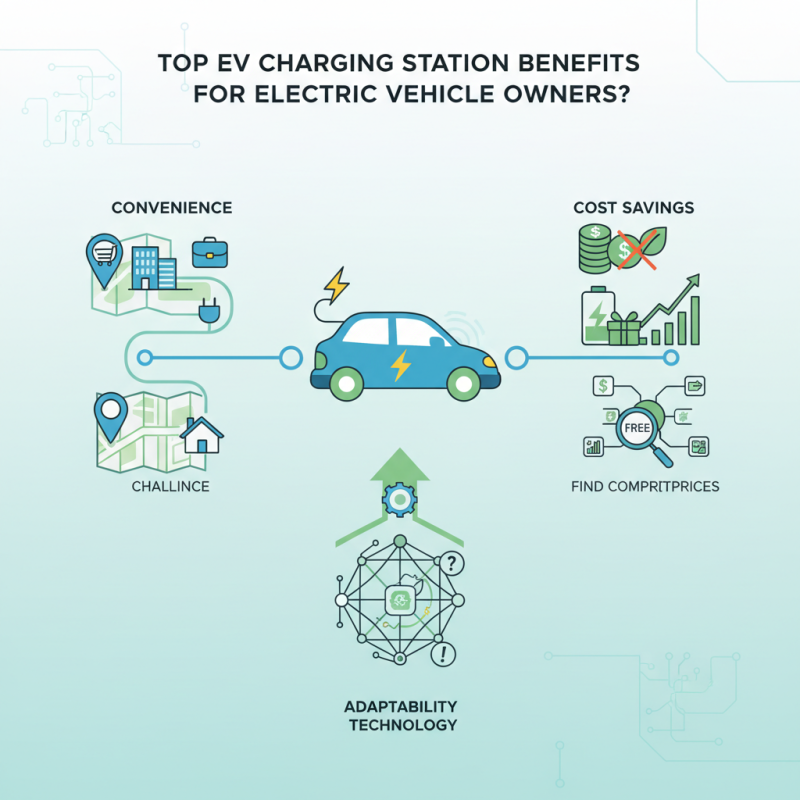
One of the key advantages is convenience. EV charging stations can be found in various locations, making it easier to recharge during daily activities. Many shopping centers and workplaces now have charging spots. Additionally, the ability to charge at home provides flexibility for busy schedules.
Another important benefit is cost savings. Charging an EV often costs less than gasoline. Some stations even offer free charging, creating further savings for owners. However, finding charging stations with competitive prices can require additional effort. As technology improves, more stations are emerging. Still, it is essential for owners to stay informed about local options and pricing.
Ultimately, EV charging stations empower owners with convenience and cost benefits. Yet, the experience is not without challenges. Owners may need to navigate various technologies and networks. As the EV landscape evolves, adaptability will be crucial for maximizing these advantages.
Advantages of Convenient Access to EV Charging Stations
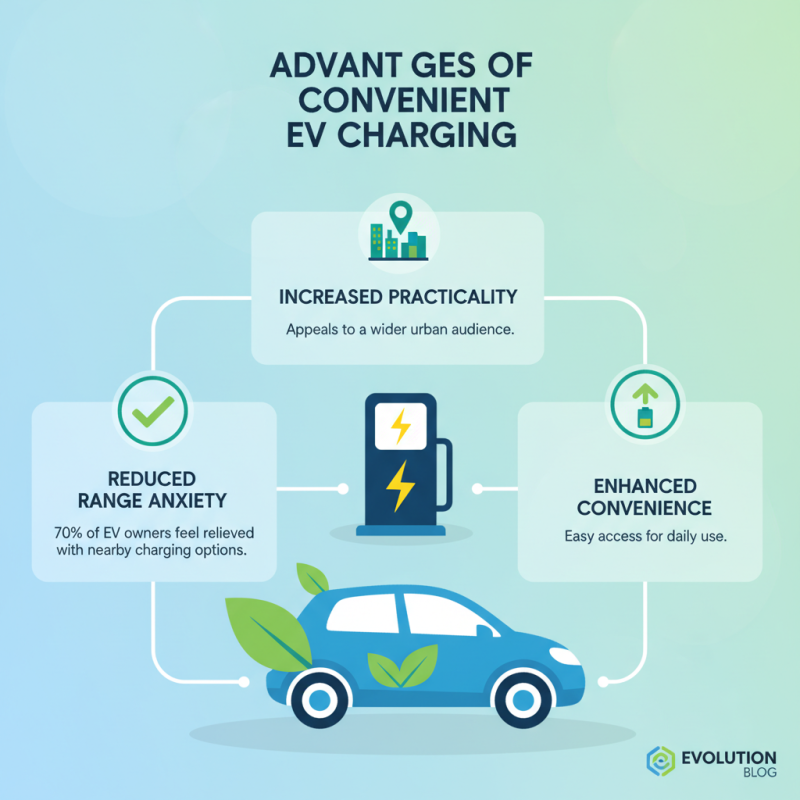
Convenient access to EV charging stations offers numerous advantages to electric vehicle owners. According to a recent industry report, nearly 70% of EV owners feel relieved knowing they can charge their vehicles nearby. This accessibility reduces range anxiety, a common concern among electric vehicle users. In urban areas, the availability of charging stations enhances the practicality of electric vehicles, making them appealing to a wider audience.
The infrastructure growth is impressive. By 2025, the global number of public charging stations is expected to surpass 3 million. This expansion makes it easier for EV owners to find charging points during long trips. Moreover, strategically placed stations can improve overall travel routes. However, some regions still lack sufficient charging infrastructure. This uneven distribution can lead to frustrating experiences for EV owners in less accessible areas.
Additionally, easy access to charging stations promotes sustainability. Electric vehicles produce fewer emissions compared to traditional cars. A 2022 study indicated that EVs can cut greenhouse gas emissions by up to 70% over their lifetime. However, this potential can only be realized with a robust network of charging stations. Thus, ensuring convenient access is essential for maximizing the environmental benefits of electric vehicles.
Enhanced Cost Savings for Electric Vehicle Owners
Electric vehicles (EVs) are gaining popularity, and so are EV charging stations.
Cost savings is a significant benefit for EV owners. Charging at home can often be cheaper than filling up a
gas tank. In many places, electricity rates are lower during off-peak hours. Utilizing this option saves
money and reduces stress. However, keep track of your charging habits.
Not all charging times will be cost-effective.
Tips: Always compare local electricity rates and consider
home solar panels. They can further decrease charging costs. Charge during off-peak hours for the best savings.
Public charging stations often offer free or discounted charging,
especially for shoppers or travelers. These locations can give you a break from paying for energy. However,
relying too much on public chargers can be a gamble. Availability may vary,
and some stations may be down or busy. Always have a backup plan.
Tips: Download charging apps that show station availability.
They help in planning your trips better. Keep an eye out for promotions at charging stations. Some locations provide perks
for frequent users.
Environmental Benefits of Using EV Charging Stations
Electric vehicle (EV) charging stations offer significant environmental benefits.
Transitioning to electric vehicles can reduce greenhouse gas emissions considerably.
According to the U.S. Department of Energy, EVs produce fewer emissions than conventional vehicles, even when accounting for power generation.
The use of renewable energy sources to power charging stations enhances these benefits.
Solar and wind energy drastically lower carbon footprints.
A report from the International Renewable Energy Agency states that using renewable energy can cut emissions by up to
90%. However, many charging stations still depend on fossil fuels, which complicates the impact.
Furthermore, widespread adoption of EV charging stations can lessen urban air pollution.
A study by the Union of Concerned Scientists shows that transitioning to EVs in urban areas may
reduce smog-forming pollutants by up to 75%.
Nonetheless, infrastructural challenges still exist, making accessibility uneven.
Some regions lack sufficient charging infrastructure, which might hinder the full realization of these benefits.
Improved Range and Flexibility for Electric Vehicle Travel
Electric vehicles (EVs) are changing the way we think about travel. With the rise of charging stations, the range and flexibility of electric vehicle travel have expanded significantly. Charging stations are now found in urban centers, shopping malls, and even remote areas. This accessibility allows drivers to plan longer trips without the anxiety of running out of power.
However, not every charging station is created equal. Some may have limited hours or face technical issues. Travelers sometimes arrive only to find a busy station. This can disrupt plans and lead to frustration.
Drivers must learn to adapt, perhaps by using apps to find available chargers. Understanding charging speeds is also crucial. Different stations provide varying rates of charge, affecting overall trip duration.
Flexibility in travel is undoubtedly enhanced, but it does come with challenges. It's crucial for EV owners to be ready to navigate these potential pitfalls. The journey might be longer at times, but the experience of electric travel also brings a greater connection to the environment. The choice to go electric is part of a personal journey toward sustainability and innovation, even if it requires a bit of patience along the way.
Increased Incentives and Rebates for Charging Station Use
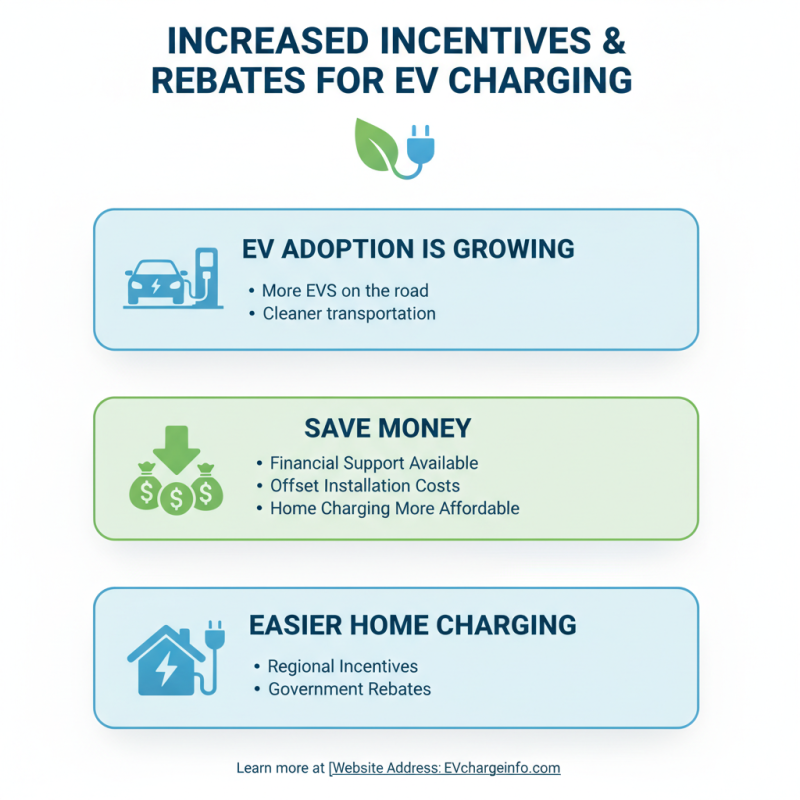
The adoption of electric vehicles (EVs) is growing rapidly. One of the key benefits for owners is the increased availability of incentives and rebates for using charging stations. Many regions offer financial support to help offset installation costs. This can make setting up a home charging station more affordable.
Incentives often include tax credits or rebates. These initiatives aim to encourage more people to switch to electric vehicles. However, not all regions have the same level of support. Some owners may find the rebate process confusing or difficult to navigate. Knowing where to find these programs can be a challenge.
Moreover, charging stations frequently provide free or discounted charging sessions during certain times. This can lead to significant savings for regular users. It’s essential to stay informed about local programs. Still, some owners might struggle with the availability of charging infrastructure near them. This brings to light the discrepancies in charging access across different areas. Overall, while the incentives for EV charging station use are beneficial, awareness and accessibility remain key issues for many.