The Best 10 Ac Ev Charger Options for Efficient Charging
As electric vehicles (EVs) become more popular, the demand for efficient charging solutions rises. One key component in this ecosystem is the AC EV Charger. These chargers offer versatile options for both home and public use, making them essential for seamless EV charging. Many EV owners are still discovering the best options available on the market.
Selecting the right AC EV Charger can be overwhelming. With various types, features, and power levels, it’s crucial to understand what best suits individual needs. Some chargers are compact and portable, ideal for urban settings, while others boast faster charging speeds for long-distance commuters. However, not all options are created equal, and some may fall short of expectations.
In our exploration of the ten best AC EV Charger options, we consider performance, durability, and user feedback. Each charger has its strengths and weaknesses. Some may excel in speed but lack mobility, while others prioritize portability at the expense of charging time. This guide aims to highlight these factors, assisting EV owners in making informed choices.
Overview of AC EV Chargers and Their Importance
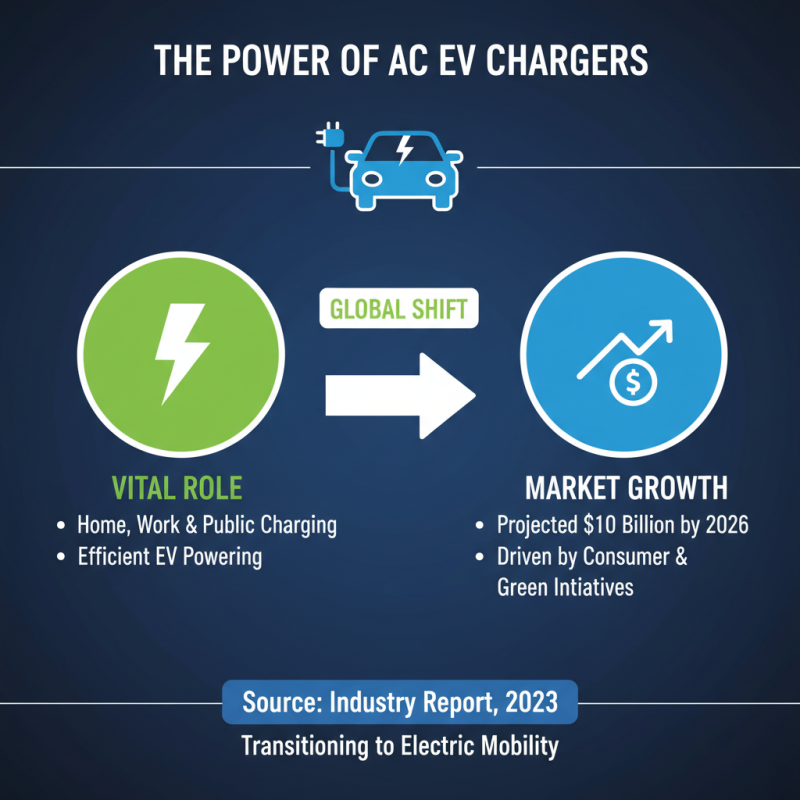
AC EV chargers play a vital role in the transition to electric vehicles. They provide an efficient way to charge EVs at home, work, or public stations. According to a recent industry report, the global market for AC EV chargers is projected to reach $10 billion by 2026. This surge reflects increasing consumer interest and the push for greener alternatives.
Many drivers overlook the importance of choosing the right charger. Not all chargers are created equal. A standard Level 2 charger typically provides around 10 to 60 miles of range per hour. In contrast, a Level 1 charger offers only about 4 to 5 miles per hour. This difference can significantly affect your daily routine.
Tips: Select a charger based on your driving habits. If you have a long commute, a Level 2 charger might be best. Consider installation costs, too. Some homes may require electrical upgrades, which can add to overall expenses. Lastly, always check compatibility with your vehicle. The wrong choice can lead to frustration and delays in charging.
Key Features to Consider When Choosing an AC EV Charger
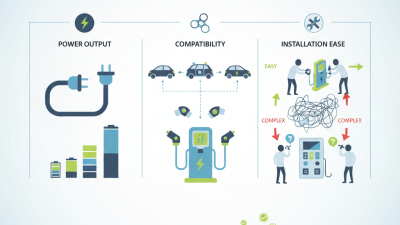
When considering an AC EV charger, it’s essential to know what features matter. Charging speed is a top priority. Look for chargers that provide higher output. A unit with adjustable power levels can be beneficial too. This feature allows flexibility based on your vehicle's needs.
Another crucial aspect is connectivity. Many modern chargers offer app integration. This allows monitoring and scheduling charging sessions. Additionally, consider the installation process. Some chargers are easier to install than others. A complex setup may lead to extra costs and delays.
Safety features should not be overlooked. Ensure the charger has protections against power surges and overheating. Compatibility is vital; make sure the charger works with your EV model. Some users find they need adapters. This can complicate things. Remember, a good charger should make your life easier, not harder.
Top 10 AC EV Charger Options for Efficient Charging
As the electric vehicle (EV) market grows, finding the right AC EV charger becomes essential. Efficient charging can significantly impact your vehicle's performance and longevity. A recent industry report highlights that over 70% of EV users prefer charging at home. This makes selecting the best AC charger even more critical for everyday drivers.
When choosing an AC EV charger, consider charging speed. Most Level 2 chargers offer between 3.3 kW and 19.2 kW. This capacity can fully recharge many EVs overnight. Some models provide specific features, like smart charging options. These can optimize charging times based on electricity rates. However, while these advanced features are convenient, they may add complexity.
Tips: Always check your home’s electrical capacity before installation. A professional consultation can save you from costly upgrades. Not all homes can handle high-capacity charging stations. Also, keep an eye on the charging cable length. A longer cable might seem convenient but can lead to voltage drops over distance.
Efficiency matters, but so does practicality. Users sometimes overlook ease of use. Choosing a user-friendly charger can reduce stress during daily operations. It’s crucial to balance technology with simplicity to ensure a smoother experience.
Comparison of Charging Speeds and Compatibility
When looking for the best AC EV chargers, charging speed and compatibility are vital factors. Fast charging can save time, especially for those on the go. Typical chargers provide speeds ranging from 3.7 kW to 22 kW. Many vehicles support various charging rates, but not all chargers will suit every car.
Speed matters. A Level 2 charger is usually faster than a standard home outlet. For instance, a 7 kW charger can provide about 25 miles of range per hour. This can be beneficial for urban dwellers or anyone with a busy schedule. However, keep in mind that some older vehicle models may only support lower charging speeds.
Tip: Check your vehicle’s specifications. Always ensure your charger matches its capabilities. Another point to consider is the compatibility with home wiring. Upgrading your electrical system might be necessary for higher power options.
Reflecting on your choices is essential. It’s easy to choose based solely on price or speed. Yet, considering future needs is crucial. You might own a different car down the line, one requiring faster charging. Choosing a versatile charger can save you headaches later.
Installation and Maintenance Tips for AC EV Chargers
When installing AC EV chargers, planning is crucial. Choose a location that’s easy to access and close to your power source. A report from the U.S. Department of Energy states that proper placement can increase charging efficiency by up to 30%. Ensure that there’s adequate space around the charger for ventilation. Overheating can reduce charger lifespan.
Maintenance of your AC EV charger is equally important. Regularly check the cables for wear and tear. Signs of wear can lead to performance issues. A study conducted by the Electric Power Research Institute found that worn cables can decrease charging speed by nearly 15%. Clean the charging ports regularly to prevent dust accumulation. Remember, neglecting these details can lead to costly repairs or replacements.
Consider local regulations for installation. Compliance with local codes ensures safety and efficiency. Some areas might have incentives for installing EV chargers, which can be valuable. However, understanding these regulations can be complex. It's a challenge that may require consultation with professionals. Ignoring local laws can lead to fines or even removal of the unit.
The Best 10 AC EV Charger Options for Efficient Charging
This chart displays the charging speed (in kW) and installation cost (in USD) of different AC EV Charger options. The data illustrates the comparison of these chargers in terms of their efficiency and value for money.