Why is the Charging Pile Industry Booming Worldwide?
The Charging Pile Industry is experiencing remarkable growth globally. This surge is driven by the increasing demand for electric vehicles and clean energy solutions. Experts like Dr. Emily Zhang, a leading authority in renewable energy, emphasize that “the charging infrastructure is crucial for the widespread adoption of electric vehicles.” Her insight highlights the industry's strategic importance in enabling sustainable transportation.
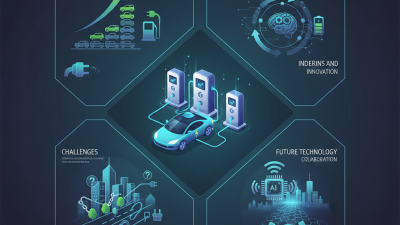
The global shift towards greener technologies fuels this boom. Urbanization and population growth contribute to higher adoption rates of electric vehicles. Yet, the pace of development in the Charging Pile Industry often raises questions regarding sustainability. Experts warn that the infrastructure may not keep up with demand in some regions. Striking a balance between rapid deployment and environmental impact is essential.
As cities expand and more electric vehicles hit the roads, planning becomes critical. Investments in charging stations need to be made wisely. There’s a visible gap in regions where utilities are underprepared. The potential for innovation is immense, but collaboration between governments, businesses, and communities remains a challenge. The Charging Pile Industry holds promise, yet its future hinges on careful execution and foresight.
Global Shift Towards Electric Vehicles and Its Impact on Charging Infrastructure
The global shift towards electric vehicles (EVs) is reshaping the transportation landscape. According to the International Energy Agency (IEA), EV sales reached over 6.6 million units in 2021, a 108% increase from the previous year. This surge is prompting a significant demand for charging infrastructure, as consumers seek convenience and reliability.
Charging infrastructure development lags behind EV adoption. Globally, there were about 1.8 million public charging points in 2021, but this number must triple by 2030 to meet projected demand. The U.S. Department of Energy reports that investments in charging stations could exceed $120 billion by 2030. New regulatory frameworks and incentives are driving private investment. However, many regions still face challenges. Insufficient charging facilities can deter potential EV buyers.
The boom in the charging pile industry offers both opportunities and complexities. Cities must balance the rapid deployment of charging points with urban planning. There is also a need for sustainable practices in constructing these facilities. As demand escalates, it is crucial to address these issues to ensure a robust and efficient charging network.
Technological Advancements Driving Efficiency and Accessibility in Charging Stations
The charging pile industry is experiencing remarkable growth, driven largely by significant technological advancements. More efficient batteries and faster charging technologies have emerged, allowing electric vehicles to recharge more quickly. As a result, charging stations are becoming more accessible. Enhanced connectivity features also provide users with real-time data on charging station availability. However, this transformation is not without challenges.
Not all charging stations are user-friendly or intuitive. Some require complicated apps or memberships, which can deter potential users. Additionally, the deployment of charging infrastructure often lags in certain regions, leading to gaps in accessibility. There are also concerns about the reliability of charging stations, particularly in remote areas. Addressing these obstacles is crucial for the industry to reach its full potential.
Sustainability is another pressing issue. While charging stations are essential for electric vehicle expansion, the environmental impact of their manufacturing and energy sources must be evaluated. Engaging in thoughtful discussions about these challenges will enable the industry to improve. Ultimately, the future of the charging pile sector depends on a balanced approach to innovation and accountability.
Why is the Charging Pile Industry Booming Worldwide?
| Region |
Market Growth (%) |
Number of Charging Stations |
Average Charging Time (hours) |
Investment in Infrastructure (Million $) |
| North America |
20% |
100,000 |
0.5 |
500 |
| Europe |
25% |
150,000 |
0.7 |
750 |
| Asia-Pacific |
30% |
200,000 |
0.4 |
1,200 |
| Latin America |
15% |
50,000 |
1.0 |
300 |
| Middle East & Africa |
10% |
25,000 |
1.5 |
100 |
Government Policies and Incentives Fueling Investment in Charging Solutions
The charging pile industry is experiencing significant growth, largely driven by supportive government policies. These policies encourage investment in electric vehicle (EV) infrastructure. Many countries offer tax breaks and subsidies to both consumers and businesses. Such incentives make it more feasible to install charging solutions.
Governments are also setting ambitious goals for EV adoption. For instance, numerous nations aim for a significant percentage of vehicles to be electric by 2030. This ambitious agenda attracts new players to the market. While competition increases, the need for an extensive charging network is critical. It creates opportunities for innovation but also raises questions about sustainability and resource management.
**Tip:** Consider the location when installing charging stations. Accessibility can significantly impact usage rates. Areas with high foot traffic can maximize visibility.
However, not every policy achieves its intended outcome. Some regions struggle with technological integration or lack of standardization. This inconsistency can hinder growth. Stakeholders must remain vigilant and adaptive to best practices in the field.
**Tip:** Engage with local communities to educate them on EV benefits. Awareness can boost acceptance and usage of charging stations.
Growing Consumer Awareness and Demand for Sustainable Transportation Options
The rise of electric vehicles (EVs) has sparked a growing consumer awareness of sustainable transportation options. People are becoming more informed about the negative impacts of traditional fossil fuels. This knowledge drives them to seek greener alternatives. Individuals are now more inclined to choose electric vehicles for their ecological benefits. The desire to reduce carbon footprints shapes consumer choices.
In urban areas, citizens witness a noticeable increase in electric charging stations. These installations cater to the demands of a changing landscape. Public charging infrastructure is expanding rapidly, yet some regions still lack adequate facilities. This creates a paradox for potential EV owners. They are keen to embrace this change but find charging options limited. This gap often leads to frustration and hesitation.
Moreover, challenges remain in educating the public about charging technologies. Many consumers are unsure about how charging works or the associated costs. As educational initiatives grow, so does confidence in making eco-friendly choices. The need for clearer information becomes evident, as it influences decisions. Ultimately, the evolution of the charging pile industry hinges on bridging this knowledge gap.
Charging Pile Industry Growth Trends (2023)
This chart illustrates the increase in global charging pile installations from 2018 to 2023, reflecting the growing consumer awareness and demand for sustainable transportation options.
Expansion of Charging Networks and Their Role in Supporting EV Adoption
The expansion of charging networks is a crucial factor in the global adoption of electric vehicles (EVs). According to recent reports, the number of public charging stations surpassed 1.8 million globally in 2023, reflecting a growth of nearly 30% from the previous year. This surge illustrates the increasing recognition of charging infrastructure as essential for EV users. More charging points lead to greater convenience, making electric vehicles more appealing to potential buyers.
Infrastructure development is not without challenges. Limited charging options can deter consumers from fully committing to EVs. In urban areas, charging stations may be too few or poorly distributed. Finding a reliable charging station can be a frustrating experience for drivers, especially those in high-density regions. Additionally, the installation of fast-charging stations requires significant investment. A report from the International Energy Agency noted that charging networks need to expand at a much faster pace to support projected EV sales, which could reach 30 million units annually by 2030.
Moreover, there is a growing concern about the sustainability of charging technologies. Most current setups rely on grid power, which often comes from fossil fuels. This reality prompts questions about the true environmental benefits of EVs. To address such issues, integrating renewable energy sources into charging infrastructure becomes vital. Collaboration between public and private sectors is necessary for this ecosystem to thrive.