Why Choose an AC EV Charger for Your Electric Vehicle Charging Needs?
Choosing an AC EV Charger for your electric vehicle can be a significant decision. Electric vehicles are becoming increasingly popular due to their environmental benefits. Yet, charging options vary widely. The right AC EV Charger can enhance your charging experience.
AC EV Chargers are known for their efficiency and ease of use. They can charge your vehicle at home or at public stations. Many users appreciate the convenience of home charging. However, some may overlook important factors. Not every charger fits all vehicles. Compatibility is crucial, and it's wise to research your vehicle's specifications.
A reliable AC EV Charger not only saves time but also ensures safety. Quality chargers are designed to prevent overheating and surges. Still, some chargers may not live up to expectations. User reviews often highlight issues like durability and performance. Reflecting on these points can help you make a better choice. Ultimately, selecting the right AC EV Charger requires careful consideration and research.
Benefits of AC Charging Stations for Electric Vehicle Owners
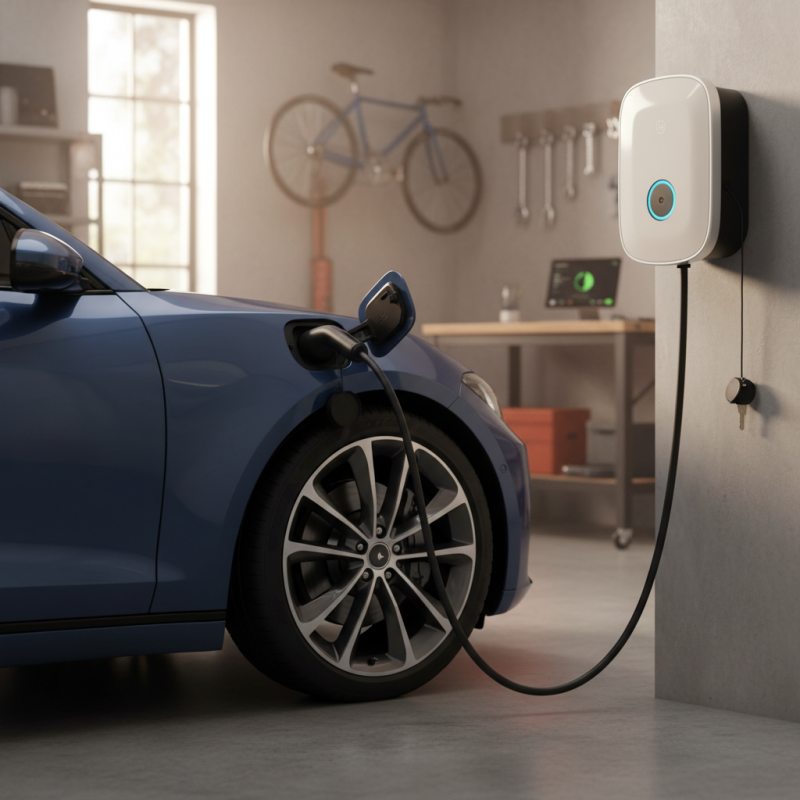
AC charging stations offer several advantages for electric vehicle (EV) owners. They are generally more affordable to install than DC chargers. According to a report by the U.S. Department of Energy, the average cost of Level 2 AC chargers can be around $500 to $2,000, making them a practical choice for home installations. These chargers can fully replenish the battery over several hours, often overnight. This aligns well with the driver's daily schedule.
While the slow charging speed of AC chargers may seem like a drawback, it allows for more strategic charging. Many users charge their vehicles at night when electricity rates can be lower. This habit can result in significant savings over time. A study by the International Energy Agency noted that approximately 57% of EV owners use home charging as their primary method. Hence, the convenience and cost-effectiveness of AC chargers cannot be overlooked.
However, there are some considerations. Space may limit some homeowners from installing an AC charger. Additionally, not all locations have reliable access to a power source for charging. The technology is improving, but not every charger is created equal. Understanding these elements can help owners make informed decisions.
Technical Specifications of AC Chargers and Their Efficiency Rates
Choosing an AC EV charger for your electric vehicle is a practical decision. AC chargers operate using alternating current and are widely compatible with most electric vehicles. According to the U.S. Department of Energy, around 80% of EV charging happens at home. This statistic highlights the necessity for efficient home charging solutions.
The efficiency rate of AC chargers varies significantly. Most AC chargers provide an efficiency range of 90% to 95%. However, the actual energy conversion can be affected by several factors. For instance, older charging units may have lower efficiency rates due to outdated technology. Regular maintenance can help optimize performance and extend the lifespan of these devices.
AC chargers have varying technical specifications. Typical models provide power outputs between 3.7 kW to 22 kW. A 7 kW charger usually replenishes the electric vehicle battery in about 8 hours. In contrast, a 22 kW charger cuts that time down significantly, often charging in 3-4 hours. Users should assess their individual needs to determine which specifications best suit their charging habits.
Comparative Analysis: AC vs. DC Charging Solutions for EVs
When considering EV charging, understanding the differences between AC and DC solutions is essential. AC chargers deliver electricity through a standard electrical socket. They are commonly used for home charging and are often more affordable. Charging your EV at home with AC can take several hours, making it suitable for overnight charging.
On the other hand, DC fast chargers provide rapid charging and are ideal for long trips. These chargers convert AC to DC before sending it to the vehicle, resulting in quicker charging times. However, they are generally more expensive and are primarily found at public charging stations. Users should weigh convenience against cost when choosing between AC and DC.
Tip: If you plan long trips often, consider installing an AC charger at home. It can save time and money in the long run. Be cautious with the installation process. Improper setup can lead to safety hazards and inefficiency.
Tip: Before using public DC chargers, check your vehicle’s compatibility. Not all EVs support all DC charging formats. Being informed can prevent unnecessary delays during travel.
Why Choose an AC EV Charger for Your Electric Vehicle Charging Needs?
| Charging Solution |
Charging Speed (kW) |
Typical Range (Miles per Hour) |
Installation Cost ($) |
Compatibility |
Best Use Case |
| AC Charger |
3.7 - 22 kW |
12 - 70 miles/hour |
500 - 2,500 |
Most EVs |
Home Charging |
| DC Charger |
25 - 350 kW |
100 - 400 miles/hour |
10,000 - 40,000 |
Specific EV Models |
Fast Charging Stations |
Industry Trends: Rise in AC Charger Installations in Residential Areas
The demand for AC EV chargers is growing rapidly in residential areas. This trend follows the increasing adoption of electric vehicles (EVs). Homeowners are recognizing the convenience of having a dedicated charging station at home. AC chargers offer a practical solution for this growing need.
Market data indicates that more people are choosing AC chargers due to their cost-effectiveness and ease of installation. In many cases, homeowners can install these chargers in their garages or on their driveways. This not only saves time but also enhances safety when compared to public charging stations. Interestingly, while many see the benefits, others express concerns about charging speed. Some drivers prefer faster options but AC chargers can still meet the daily needs of most EV owners.
The rise in installations reflects a shift toward sustainable living. Communities are beginning to prioritize eco-friendly solutions. It’s crucial for homeowners to assess their specific needs before investing. While AC chargers are popular, they may not be the best fit for everyone. An open dialogue about preferences and experiences can lead to better choices in the future.
Cost-Effectiveness of AC EV Charging: Analyzing Installation and Usage Fees
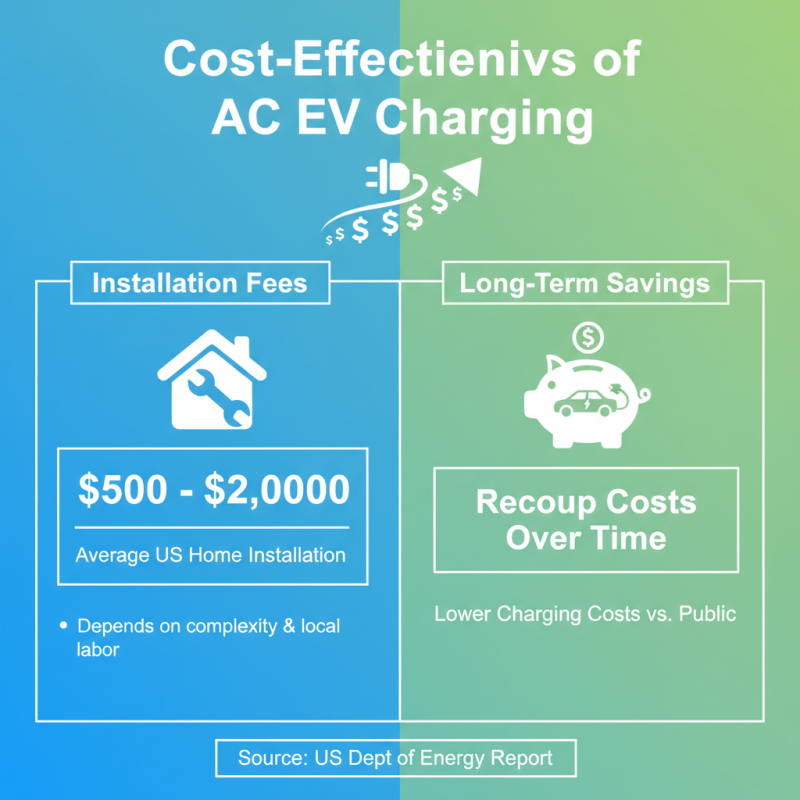
The cost-effectiveness of AC EV charging is a crucial factor for electric vehicle owners. Installation fees for AC chargers can vary widely. According to a report by the U.S. Department of Energy, the average installation cost ranges from $500 to $2,000. This range depends on the complexity of the installation and local labor rates. While upfront costs may seem high, many homeowners recoup these expenses over time through lower charging costs.
Usage fees also play a significant role in the overall cost analysis. Data from the Electric Power Research Institute indicates that charging at home via AC costs about 5-10 cents per kilowatt-hour. In contrast, public fast-charging stations can charge up to 40 cents per kilowatt-hour. This substantial difference means that home AC charging can provide significant savings, especially for daily commutes.
Nevertheless, some challenges exist. For instance, the initial investment in installation might be prohibitive for some. Additionally, in some regions, the electricity rates may not favor home charging. Time-of-use rates can complicate the cost-saving potential as well. Electric vehicle owners need to analyze their specific situations, including local energy costs and usage patterns, to determine the best charging solution. Making informed decisions is key to maximizing the cost-effectiveness of EV charging.