How to Choose the Best EV Charging Pile for Your Electric Vehicle?
Choosing the right EV charging pile is crucial for your electric vehicle. The market offers various options, each with unique features. With so many choices, it's easy to feel overwhelmed.
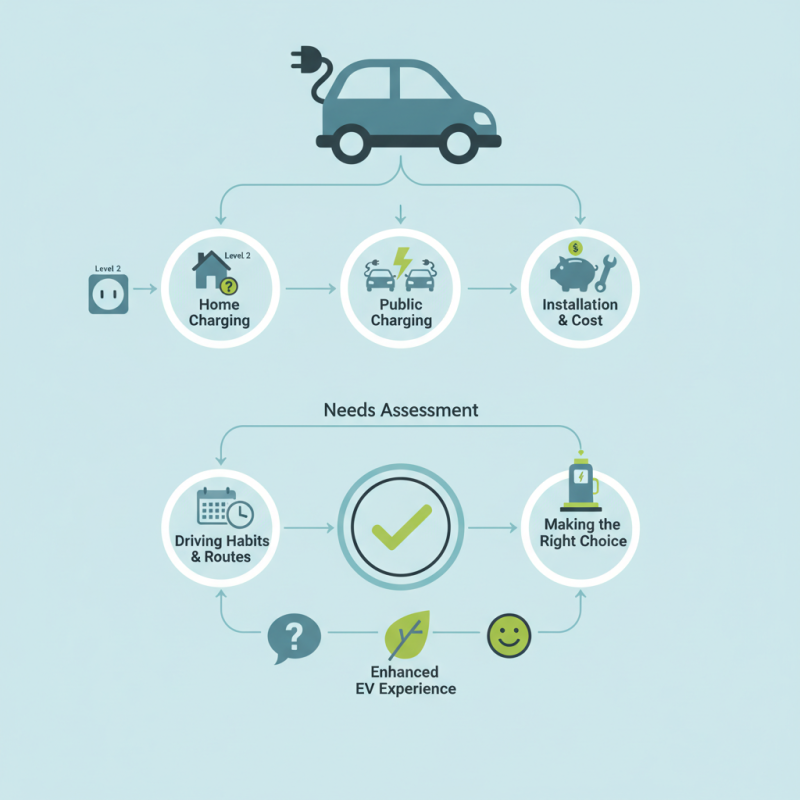
EV charging piles differ in technology, speed, and installation costs. Understanding your specific needs is essential. Consider where you usually charge your vehicle. At home, a Level 2 charger may suffice. Public charging stations, however, often require faster options.
Installation can be tricky. You might encounter unexpected costs. Planning ahead can save time and money. Reflect on your driving habits and route choices. Ask yourself, will your charging pile meet your needs? A thoughtful selection can enhance your EV experience.
Factors to Consider When Selecting EV Charging Infrastructure
When selecting EV charging infrastructure, several factors warrant careful consideration. Charging speed is crucial. Level 2 chargers offer efficient charging for home use. In contrast, DC fast chargers are better for quick top-ups during long trips. Think about your driving habits. Do you need a fast charge or can you charge overnight?
Location is another critical aspect. If you live in a small apartment, a home charger may not be an option. In this case, look for public charging stations nearby. Accessibility should also be prioritized. Ensure that the charger is easy to reach and use. It's frustrating when a station is out of service or incompatible with your vehicle.
Installation requirements present challenges too. Some chargers need robust electrical setups, which may require upgrades. Think about the cost of installation and maintenance. These can add to your overall expenses. Reflect on your needs before making a choice. A charging solution should match your lifestyle and budget. Choosing the right EV charger isn't just about price; it's about convenience and future-readiness.
Understanding Different Types of EV Chargers: Level 1, Level 2, and DC Fast Charging
When choosing an electric vehicle (EV) charger, understanding the types is crucial. Level 1 chargers use a standard home outlet and offer about 4-5 miles of range per hour. They are ideal for overnight charging at home but are slow. According to industry data, about 30% of EV owners rely solely on Level 1 charging. Not everyone needs rapid charging, but it may not meet daily commuting demands.
Level 2 chargers present a significant upgrade. They can provide 10-60 miles of range per hour, depending on the power output. Many public charging stations use this standard. It’s a suitable option for urban environments where charging time needs to be balanced with parking duration. However, installation costs can be high. Reports suggest the cost can exceed $2,500 for installation alone.
DC Fast Charging drastically reduces charging time. It can deliver 80% charge in about 30 minutes. This is great for long trips and road travel. However, only about 10% of EV owners have access to these fast chargers regularly. Challenges such as limited availability and higher charging costs may deter some drivers. The choice of charger ultimately hinges on personal needs, typical usage, and charging infrastructure availability.
How to Choose the Best EV Charging Pile for Your Electric Vehicle?
| Charging Type |
Power Output (kW) |
Charging Time (0-100%) |
Ideal Use Case |
Location |
| Level 1 |
1.4 - 1.9 kW |
10-20 hours |
Home charging overnight |
Residential |
| Level 2 |
3.3 - 22 kW |
4-8 hours |
Home or public charging stations |
Residential & Commercial |
| DC Fast Charging |
50 - 350 kW |
30 minutes to 1 hour |
Long-distance travel |
Highway rest areas |
Evaluating Charging Speed: kW Ratings and Their Impact on Charging Time
When choosing an EV charging pile, understanding kW ratings is crucial. These ratings indicate how quickly your vehicle can charge. Higher kW means faster charging. However, not all vehicles can handle high kW levels. Always check your electric vehicle’s specifications.
Charging speed affects your daily routine. A 3 kW charger may take several hours for a full charge. On the other hand, a 22 kW charger can significantly reduce that time. However, fast charging may impact battery life. Regular use of high-speed chargers can lead to battery degradation over time. Weigh the pros and cons carefully.
Tips: Always match the charger’s kW rating with your vehicle's capacity. This prevents potential damage. Consider your daily mileage when determining the type of charger you need. Make sure home installations meet safety standards. Safety is paramount, and proper setup matters. Reflect on your charging habits to make a better choice.
Assessing Installation Requirements and Costs for Home Electric Vehicle Chargers
When choosing an electric vehicle (EV) charger, installation requirements and costs are critical. A report from the U.S. Department of Energy indicates that most homeowners spend between $500 to $2,000 on EV charging installations. This cost varies with your home’s electrical setup. Upgrading your home’s electrical panel can increase costs significantly, sometimes adding up to $1,000 more.
Consider the type of charger. Level 2 chargers require a dedicated circuit. Installation often requires professional help. Based on industry surveys, about 80% of EV users prefer having their charger at home. This preference influences both cost and complexity of installation. Many homes might need additional wiring or even a new circuit breaker, which can result in unexpected expenses.
Assessing your driveway space is also important. A 2021 study revealed that nearly 40% of EV owners face space constraints. Without easy access, installation scores lower on feasibility. You're not just buying a charger; you're investing in infrastructure. The right blend of convenience and cost-effectiveness needs reflection, especially when considering future EV advancements.
Comparison of EV Charger Types and Installation Costs
The Role of Smart Chargers and Connectivity in Enhancing User Experience
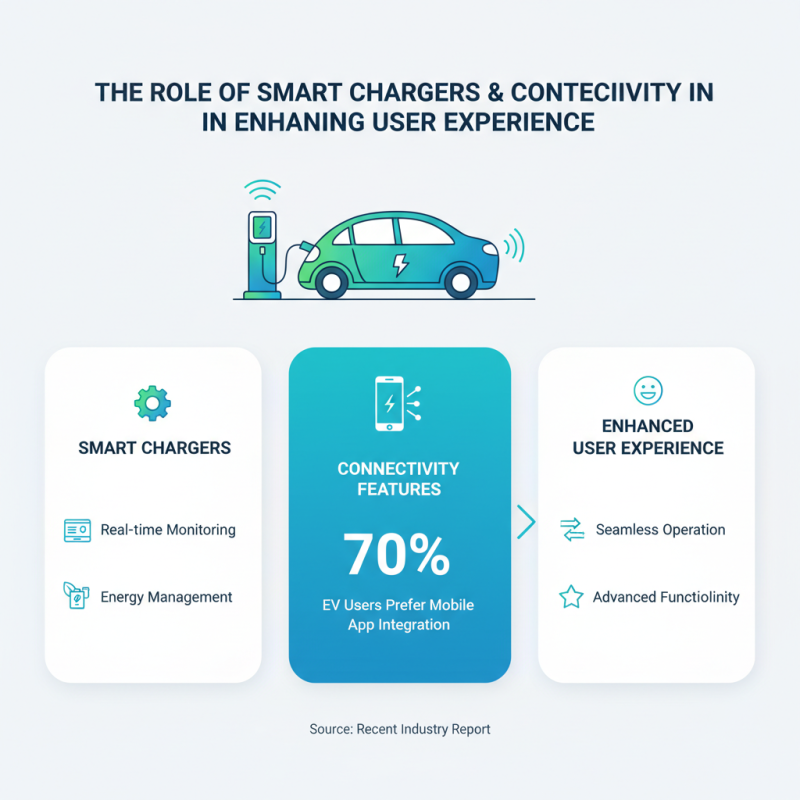
When selecting an EV charging pile, understanding smart chargers and their connectivity features is essential. Smart chargers offer advanced functionalities such as real-time monitoring and energy management. According to a recent industry report, 70% of EV users prefer chargers that enable mobile app integration. This feature enhances user experience, allowing for seamless operation.
Tips: Look for chargers with Wi-Fi or Bluetooth capabilities. These connections can provide vital updates about charging times and energy consumption. Many users find that remote access to charging data leads to better decision-making.
Additionally, the role of data analytics cannot be overlooked. Smart chargers can analyze usage patterns and suggest optimal charging times, which helps save on electricity costs. However, a survey indicated that 40% of users struggle to adjust their habits based on these insights. Regularly reviewing this data can improve your charging efficiency over time.
Tips: Set reminders for off-peak hours. This simple adjustment can make a significant difference in your charging costs. Adapting to new technology does require some effort. Yet, the long-term benefits for EV owners are clear.