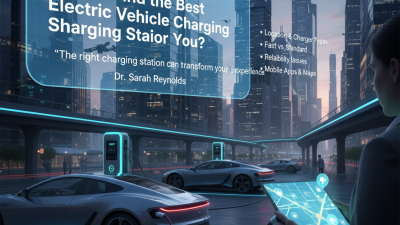
How to Choose New Energy Vehicle Charging Stations?
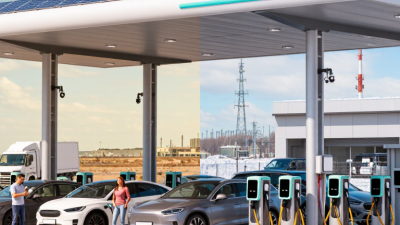
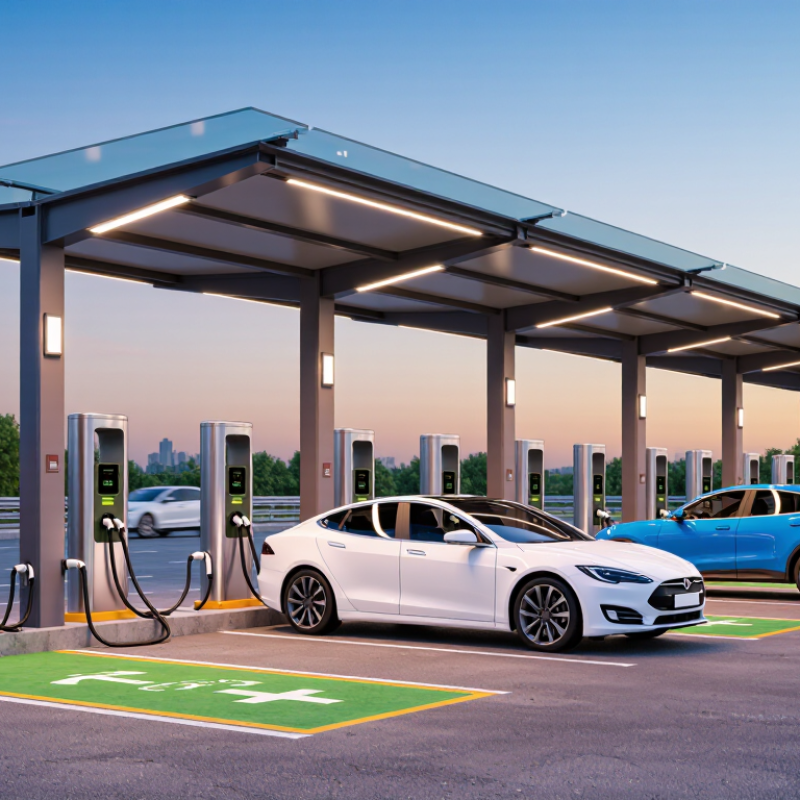
Choosing New Energy Vehicle Charging Stations is not simply a matter of selecting the fastest charger. It requires a practical assessment of vehicle compatibility, site conditions, electricity capacity, operating costs, and future demand. A station beside a busy highway needs different equipment from one serving an apartment garage. The difference is visible: cable length, payment access, weather protection, lighting, and space for turning vehicles all affect daily usability.
Claas Bracklo, a former chairman of the Charging Interface Initiative e.V. (CharIN), described charging infrastructure as “the backbone of e-mobility.” That observation remains highly relevant. A reliable station should support suitable charging standards, stable communication, transparent pricing, and basic accessibility. It should also be maintainable. A powerful unit that remains offline is not a successful investment.
This guide examines the main decisions behind New Energy Vehicle Charging Stations, including AC and DC charging, output ratings, installation environments, software functions, safety features, and service support. Real experience matters here. A specification sheet cannot reveal every problem, such as winter cable stiffness or confusing screen instructions. Some recommendations may also change as batteries, standards, and energy tariffs develop. That uncertainty deserves attention.
The best choice is rarely the most expensive model. It is the station that matches actual users, available power, traffic patterns, and long-term maintenance capacity. Small details matter. A thoughtful selection process reduces downtime, improves driver confidence, and creates a more dependable charging experience.
Define Your Charging Needs and Vehicle Compatibility
How to Choose New Energy Vehicle Charging Stations?
Define Your Charging Needs and Vehicle Compatibility
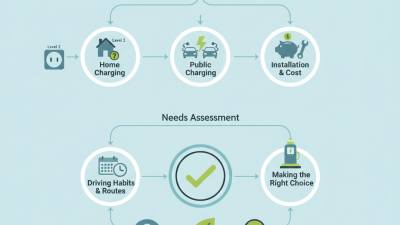
Choosing a charging station starts with your vehicle, not the station’s advertised power. Check the owner’s manual for connector type, maximum charging rate, voltage, and onboard charger limits. A plug may fit physically but still communicate poorly with the vehicle.
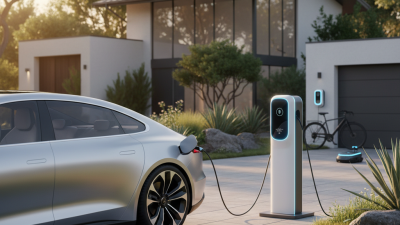
Not every higher-power station charges faster. Your car may accept only a lower rate. That matters at home, where a dedicated circuit, suitable wiring, and professional installation are essential. A certified electrician should inspect the panel, cable length, grounding, and outdoor protection before installation. Do not rely on a household socket without checking its continuous-load capacity.
Think about your daily routine. A driver covering 30 kilometers each day may need only overnight AC charging. A long-distance driver may value faster DC charging near highways. Note the parking time, winter temperature, and battery size. Cold weather can reduce charging speed.
I once assumed a larger battery always required a stronger charger. That was too simple. Charging limits, software settings, and temperature also influence real results. Check whether the station supports scheduled charging, load management, and clear fault alerts. Look for recognized safety certification and instructions that match local electrical rules. Keep the installation report and test results. Small details prevent expensive surprises.
Evaluate Location, Accessibility, and Installation Requirements
How to Choose New Energy Vehicle Charging Stations?
Evaluate Location, Accessibility, and Installation Requirements
A suitable charging station begins with vehicle flow, not the equipment catalog. Map arrival, parking, turning, and departure paths at different times. A site may look spacious at noon, yet become difficult during evening demand. Watch the queue. Place chargers near visible, well-lit parking spaces. Keep charging bays away from flood-prone corners, delivery routes, and narrow entrances. Leave enough room for doors, wheelchairs, and charging cables.
Accessibility needs practical testing. Ask whether a driver can reach the connector without stretching across another vehicle. Check pavement slope, curb height, surface condition, and drainage. Confirm that cable length serves different parking positions. Small obstacles matter. Clear signs also reduce confusion, especially at busy locations.
Installation planning is equally important. Have a qualified electrician verify electrical capacity, panel distance, grounding, protection, and expansion space. Local permits and accessibility requirements may affect the layout. Do not assume an existing outlet is suitable. It may not be.
During one site review, I underestimated weekend queue growth. That mistake showed why usage estimates need evidence, not optimism. Review traffic counts, dwell times, weather exposure, and maintenance access. A technically correct station can still fail when drivers cannot find it, reach it, or use it comfortably.
Check Safety Features, Standards, Reliability, and Maintenance
How to Choose New Energy Vehicle Charging Stations?
Safety should be checked before charging speed. The IEA Global EV Outlook 2024 reported over four million public charging points worldwide at the end of 2023. More stations also mean more inconsistent installation quality. Look for residual-current protection, over-temperature control, emergency stop access, and weatherproof enclosures. The connector should match IEC 62196 requirements, while charging communication should follow IEC 61851. These details reduce risks from damaged cables, water, and unstable voltage.
Reliability is more than a bright screen. In my experience, a station with a clean plug, firm socket, and visible inspection label feels safer than a newer unit with poor upkeep. Check recent service records, fault notifications, cable wear, and payment stability. The U.S. Department of Energy’s Alternative Fuels Data Center shows that public charging availability varies by location and operating conditions. A listed station may still be unavailable. That is inconvenient.
Maintenance deserves equal attention. Ask whether operators perform thermal checks, insulation testing, software updates, and scheduled cleaning. The IEA notes that public charging demand is rising with electric vehicle adoption, placing greater pressure on station uptime. Do not trust claims without evidence. A perfect checklist does not exist. I would still test one session before depending on a station daily. Look for clear support contacts, accurate status data, and repair response times. Some inspection records may be incomplete, which should make buyers pause.
Assess Costs, Smart Functions, and Long-Term Operating Value
Choosing a charging station requires more than comparing its purchase price. The International Energy Agency’s Global EV Outlook 2024 reports over four million public charging points worldwide at the end of 2023. More than 2.3 million were added that year. This growth increases competition, but it also raises expectations for reliability and operating efficiency. Examine installation, electrical upgrades, demand charges, maintenance, software subscriptions, and payment processing. A cheaper unit may need expensive site work. That difference can quietly damage returns.
Smart functions should support daily operations, not decorate a sales sheet. Load balancing can prevent several vehicles from charging at full power simultaneously. Scheduled charging can shift demand away from costly peak periods. Remote diagnostics may reduce unnecessary service visits. The U.S. Department of Energy’s Alternative Fuels Data Center shows how utilization, charging speed, and electricity prices strongly affect station economics. Measure these factors at the actual site. A busy fleet depot needs different controls from a small retail car park.
Watch the details.
Check cable durability, operating temperature, network access, and fault-recovery time. Ask whether the system exports usable energy and session data. Open communication standards can make future upgrades less painful. However, smart software is not automatically valuable. If local demand is low, advanced controls may add fees without meaningful savings. I would model five to ten years of costs, then test conservative utilization assumptions. A spreadsheet can still lie. Real traffic patterns often change faster than forecasts. The Global EV Outlook 2024 also highlights continuing investment in grid capacity, reminding operators that long-term value depends on infrastructure beyond the charger itself.
How to Choose New Energy Vehicle Charging Stations?
Assess costs, smart functions, charging speed, and long-term operating value.
Representative market-range estimates for a complete public installation, including charger hardware, basic electrical work, and commissioning. Charging time estimates assume an EV consumption of 18 kWh per 100 km and suitable vehicle support. Lower-power AC stations generally require less capital, while DC stations can deliver more energy per hour and create higher value at busy locations.
For long-term operation, prioritize OCPP support, remote monitoring, load management, user authentication, dynamic pricing, firmware updates, payment integration, and reliable serviceability. Actual costs vary by site capacity, civil works, electricity tariffs, utilization, and local regulations.