How to Choose the Right New Energy Charging Piles for Electric Vehicles?
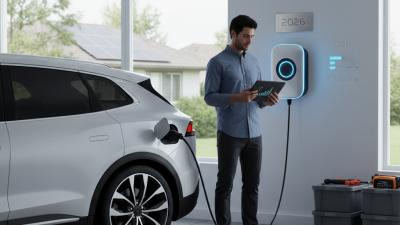
As electric vehicles (EVs) gain popularity, the demand for reliable New Energy Charging Piles increases. According to Dr. Emily Wang, a respected expert in the charging infrastructure field, "Choosing the right charging pile is crucial for the adoption of electric vehicles." She emphasizes the importance of understanding the different types of charging solutions available.
Selecting the appropriate New Energy Charging Piles involves several key factors. Different regions have varying power supply capabilities and installation requirements. Knowing these specifics can prevent future complications. With the market continuously evolving, it is vital to keep updated on the latest technologies and trends in charging solutions.
Moreover, opting for the cheapest option may not always be wise. Lower costs can often lead to inadequate performance and reliability concerns. Stakeholders should assess long-term benefits, including compatibility and efficiency. Therefore, making an informed choice is essential for supporting the electric vehicle ecosystem effectively.
Factors to Consider When Selecting New Energy Charging Piles for EVs
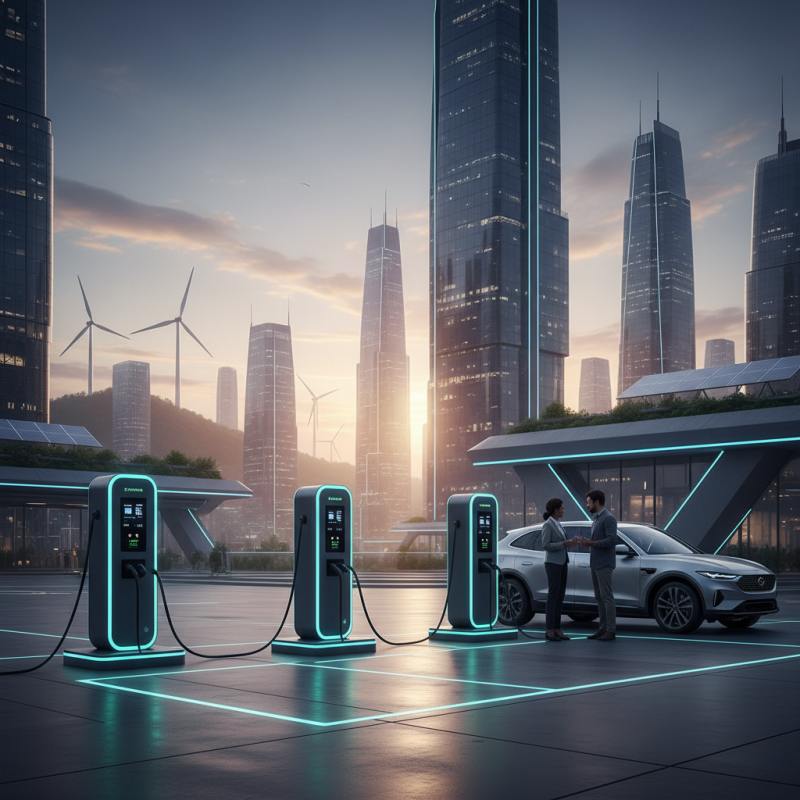
Choosing the right new energy charging piles for electric vehicles (EVs) involves several critical factors.
First, think about the location. Charging piles should be strategically placed to maximize usage while ensuring safety.
Consider urban areas, commercial centers, and residential zones. Each location has unique demands and varying levels of utilization.
Another vital factor is charging speed. Not all EV owners have the same needs. Some may require fast charging for quick turnarounds, while others may prefer slower options for overnight charging.
Evaluate the specifications of different charging piles.
Look for models that offer various power outputs. This flexibility can meet diverse customer demands.
It’s also essential to assess the compatibility with different EV models.
Not all charging solutions work with every vehicle. Evaluate the type of connectors offered. Ensure they meet industry standards.
Moreover, consider the maintenance and support services available. Some charging piles may require more frequent upkeep, which can lead to increased operational costs.
Thus, it's crucial to weigh the overall value and performance. Reflect on these aspects to make an informed decision.
Understanding Different Types of Charging Piles and Their Applications
Choosing the right charging pile for electric vehicles (EVs) involves understanding their various types and applications. There are three main types of charging piles: Level 1, Level 2, and DC fast charging. Each type serves different needs and use cases.
Level 1 charging piles use a standard household outlet. They deliver low power and are suitable for home charging. However, they take a long time to fully charge an EV. Level 2 charging piles provide a faster option, ideal for public charging stations or workplaces. They can significantly reduce charging time, yet they require a dedicated power supply.
DC fast charging piles are designed for quick recharges. They can charge an EV to about 80% in just 30 minutes. These are mostly found at highway stations. However, the infrastructure is still developing in some areas, which could limit their availability. Knowing how each type aligns with your driving habits and access to power sources is crucial for making an informed choice.
How to Choose the Right New Energy Charging Piles for Electric Vehicles?
| Charging Pile Type |
Power Rating (kW) |
Charging Speed |
Application |
Typical Location |
| Slow AC Charging |
3.7 - 7.4 |
8-12 hours |
Home Charging |
Residential Areas |
| Fast AC Charging |
11 - 22 |
3-5 hours |
Commercial Charging |
Shopping Malls, Office Buildings |
| DC Fast Charging |
50 - 350 |
20-30 minutes |
Public Charging Stations |
Highways, Fast Food Chains |
| Ultra Fast Charging |
350+ |
15-20 minutes |
Future Proofing |
Strategic Locations, Major Cities |
Evaluating Charging Speed Parameters: AC vs. DC Charging Solutions
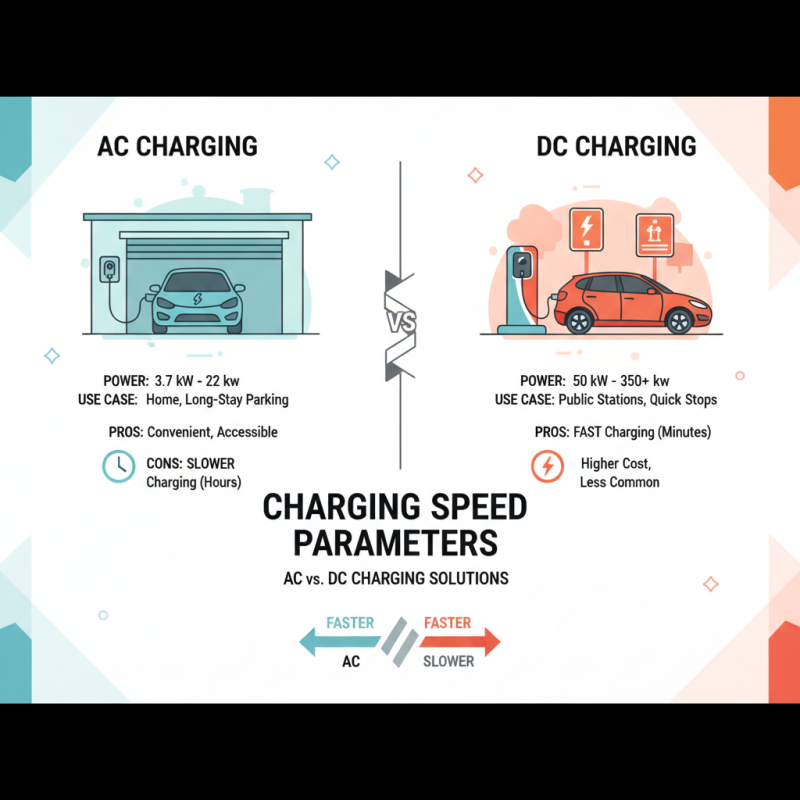
When evaluating charging speed parameters for electric vehicle charging solutions, two main types arise: AC and DC charging. AC chargers are typically slower, providing a range between 3.7 kW to 22 kW. They are ideal for home installations or locations where vehicles remain parked for extended periods. However, their charging time can be a downside for drivers in a hurry.
DC chargers, on the other hand, offer rapid charging capabilities, with power ranging from 50 kW to 350 kW. They are often found in commercial charging stations and are essential for long-distance travel. While they significantly reduce charging time, the higher cost of installation and maintenance can be a concern for some. The appropriate choice depends on the specific needs and usage patterns of electric vehicle owners.
**Tips:** Consider your average daily mileage. If you frequently drive long distances, investing in DC charging solutions may save you valuable time. For daily commuters, an AC solution might be sufficient and more economical. Always assess the local charging infrastructure to ensure accessibility to your desired charging solution. Ultimately, understanding your own charging habits will guide you in making the best decision.
Analyzing Cost-effectiveness and Return on Investment for Charging Stations
When selecting new energy charging piles for electric vehicles, cost-effectiveness is critical. Conducting a thorough analysis can help determine potential returns on investment. Initial costs include purchasing and installation. Evaluate how long it might take to recover these costs through charging fees. The right location plays a significant role in maximizing usage and revenue.
Tips: Research local charging demand. High-traffic areas can boost charging station usage. Consider partnering with businesses to increase visibility.
Return on investment also involves maintenance and operation costs. Ensure you account for these expenses in your projections. Some charging piles may require frequent repairs or upgrades, impacting profitability. It’s essential to balance quality with affordability.
Tips: Regularly assess the performance of your charging infrastructure. Adjust pricing strategies based on competition and user feedback. Innovative solutions could improve efficiency and reduce downtime.
Assessing Site Requirements and Space Management for Installation of Charging Piles
When considering new energy charging piles for electric vehicles, site requirements and space management are crucial. Assess the location's capacity for electric connections. Ensure there is adequate power supply from the grid. Check local regulations on installation processes. This can affect both time and cost.
Space management also plays a significant role. Evaluate the layout of the installation area. Ensure that there is enough room for safe vehicle access. Piles need to be positioned to allow easy maneuverability. Consider potential obstructions like trees or buildings. This requires careful planning and sometimes, changes to existing infrastructure.
It's important to remember that not every site will be ideal. Some locations might face constraints that limit effective installation. Infrastructure might be outdated, requiring upgrades. Additionally, the expected demand for charging could change. This uncertainty calls for adaptable planning and a willingness to revisit your initial layout. Prioritizing flexibility will lead to a more robust charging solution.