How to Choose the Right EV Charging Gun for Your Vehicle?
Choosing the right EV Charging Gun can be challenging. Many factors play a role in this decision. Charging speed, connector type, and compatibility are just a few. According to industry expert John Smith, "Selecting the right EV Charging Gun is crucial for maximizing your vehicle’s performance." His insight highlights the importance of understanding your EV's needs.
When exploring options, consider your vehicle's specifications. Each EV has different charging requirements. Not all charging guns are created equal. Additionally, the range of prices can be confusing. Often, cheaper options may lack essential features. This can lead to frustration down the road.
Finding the right balance between cost and functionality is vital. It’s easy to make a hasty choice, but this can have significant consequences. Focus on reputable brands. Research user reviews and ask for recommendations. Taking the time to understand your needs will lead to a better long-term investment. In a world where EV adoption is growing rapidly, the right EV Charging Gun can make a noticeable difference. Take this step seriously.
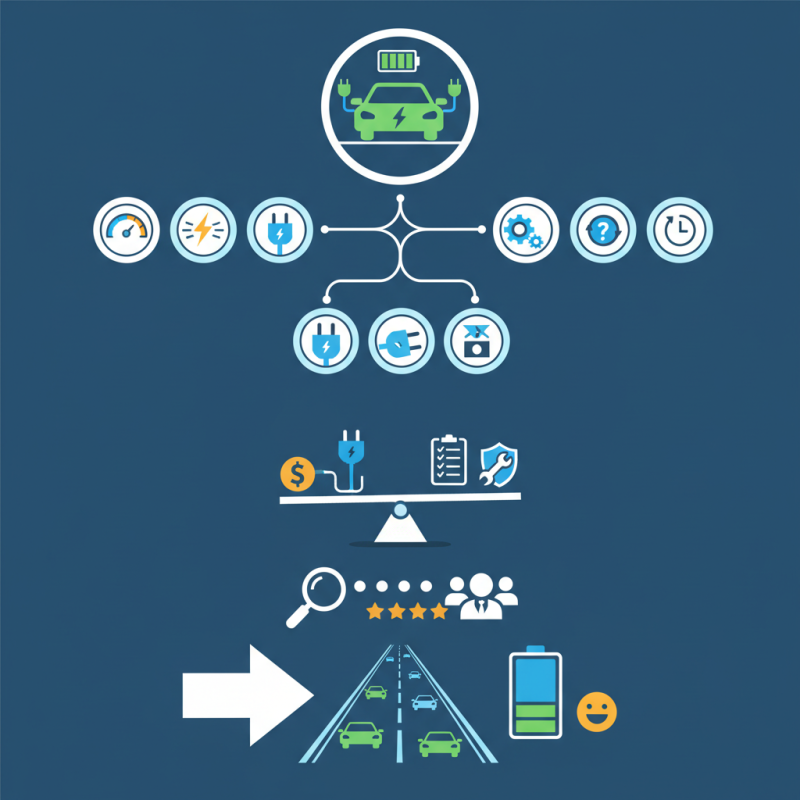
Understanding EV Charging Gun Types and Their Compatibility
When selecting an EV charging gun, understanding the types and their compatibility is crucial. The three main types of EV charging guns are Type 1, Type 2, and CCS (Combined Charging System). Type 1 is common in the U.S., while Type 2 is prevalent in Europe. CCS combines fast charging capabilities with Type 2. According to the International Energy Agency, there were 1.8 million public EV charging points worldwide in 2021, highlighting the growing infrastructure for electric vehicles.
Compatibility largely depends on your vehicle's make and model. Not all EVs accept every type of charging gun. For instance, many American models support Type 1, while European models typically use Type 2. Make sure to check your vehicle's specifications. A mismatch can lead to frustrating experiences and wasted time.
Tips: Always confirm the voltage compatibility with your charging gun. Using the correct voltage prevents potential damage. If you often travel long distances, consider a dual-type charging gun. It increases your options. Also, remember that different charging speeds exist. Faster isn't always better; the right speed often depends on your specific vehicle and battery condition. Familiarize yourself with charging networks in your area to ensure seamless access.
Factors to Consider When Choosing an EV Charging Gun
When selecting an EV charging gun, several factors come into play. These include compatibility with your vehicle, charging speed, and safety features. The EV market is rapidly growing, with more than 5 million electric vehicles estimated on the road worldwide in 2021. Each vehicle may require different standards of charger connections. For instance, Tesla uses a unique connector, whereas many other manufacturers adopt the CCS or CHAdeMO standards. Ensuring that the charging gun matches your vehicle’s requirements is crucial for optimal performance.
Charging speed is another notable factor. Typically, Level 2 chargers provide a charging rate of around 10 to 60 miles of range per hour. This is significantly faster compared to Level 1 chargers, which offer only around 2 to 5 miles per hour. However, consider the trade-off; faster charging can lead to higher costs and may affect battery health in the long run. High charging rates might seem appealing, but they can also stress the battery, reducing its lifespan.
Safety features must not be overlooked. Look for guns equipped with temperature monitoring and automatic shut-off. A report from the International Energy Agency highlights that faulty charging equipment has been a recurring issue, leading to safety hazards. While choosing an EV charging gun, reflect on these details. The right choice will depend on usage patterns and vehicle requirements. Balancing speed, compatibility, and safety is not always straightforward, and making the right decision can feel daunting.
Evaluating Charging Speed and Power Output Options
When selecting an EV charging gun, understanding charging speed and power output is crucial. Charging speed determines how quickly your vehicle can recharge. The power output of the charger is measured in kilowatts (kW). Higher kW means faster charging. For instance, a charger with 11 kW can fully charge a typical EV in hours, whereas a 22 kW charger can do it in less than half the time.
Tips: Check your vehicle’s specifications. Some EVs can only handle up to a certain power output. A mismatch can slow down your charging. Consider your daily driving habits. If you mostly drive short distances, a lower power charger may suffice.
Evaluate the types of chargers available. AC chargers are common and suitable for home use. DC fast chargers are ideal for quick stops during long trips. Not all locations have both types, so plan accordingly. Remember, the right choice can greatly enhance your EV experience, but it requires careful consideration.
Assessing Safety Features of EV Charging Guns
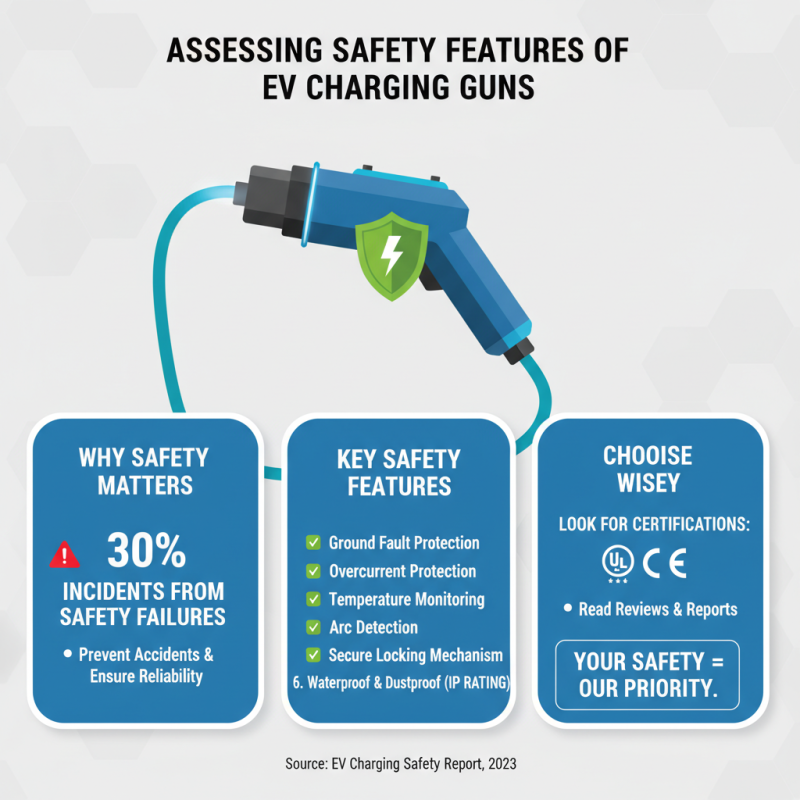
When selecting an EV charging gun, safety features should be a primary concern. EV charging guns vary, and understanding these variations can be daunting. Reports indicate that around 30% of charging-related incidents stem from safety failures. The right features can prevent accidents.
Look for charging guns with overcurrent protection. This prevents excessive current flow, reducing the fire risk. Ground fault protection is also crucial. It detects leakage currents that may indicate faulty insulation. A reliable device should offer these safety aspects to ensure peace of mind while charging.
**Tip:** Check for certifications. Only choose charging guns that comply with industry safety standards. Additionally, pay close attention to build quality. A poorly made gun may fail over time, leading to potential hazards.
While assessing safety features, the design is also important. Guns should fit securely into your vehicle's charging port. Loose connections can cause sparks or overheating. Furthermore, consider the length of the cable. A longer cable allows flexibility but may also lead to strain if not managed properly.
**Tip:** Regular maintenance checks can ensure long-term safety. Inspect cables for wear and tear. Look for any fraying or damage that could compromise the safety mechanisms.
Cost vs. Quality: Finding the Best Value in EV Charging Guns
Choosing the right EV charging gun can be tricky. Cost and quality often clash. Finding the right balance is essential for making a smart purchase. Higher quality typically means better durability and efficiency. However, these options might come with a higher price tag. It's important to evaluate your needs carefully.
Consider the materials used in the charging gun. Look for robust and weather-resistant designs. This can enhance durability. Also, think about the amperage that your vehicle requires. Some charging guns offer adjustable settings. This flexibility can often justify a higher cost. Yet, you must ensure you won’t end up with features you don’t use.
Don't overlook customer reviews. They can provide valuable insights into real-world performance. A highly-rated product might still have flaws. Watch out for recurring complaints. Sometimes, it’s the less expensive option that performs just as well as its costly counterpart. Always analyze your driving habits and budget before making a decision.