What is DC Fast Charging and How Does it Work?
DC Fast Charging is a revolutionary technology in the electric vehicle (EV) industry. This method allows drivers to recharge their vehicles quickly, often in under an hour. However, the experience can differ greatly depending on various factors. Not all charging stations are created equal.
Some stations provide impressive charging speeds while others lag behind. It’s essential to understand how DC Fast Charging works. It uses direct current, bypassing the vehicle’s onboard charger. This enables a rapid transfer of energy. But, some EV models may not fully support DC Fast Charging. This can lead to frustration and confusion for users.
Understanding the limitations and advantages of DC Fast Charging is vital. It highlights the need for continued improvements in charging infrastructure. As we embrace electric vehicles, addressing these nuances can help shape a better driving experience. Balancing speed, availability, and vehicle compatibility is key.
What is DC Fast Charging and Its Role in Electric Vehicle Infrastructure
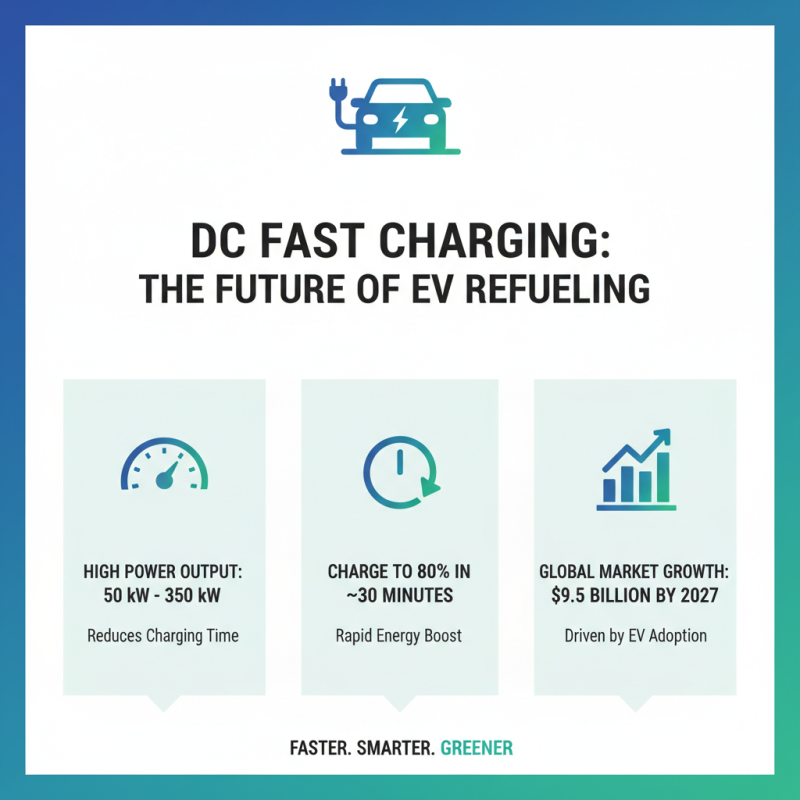
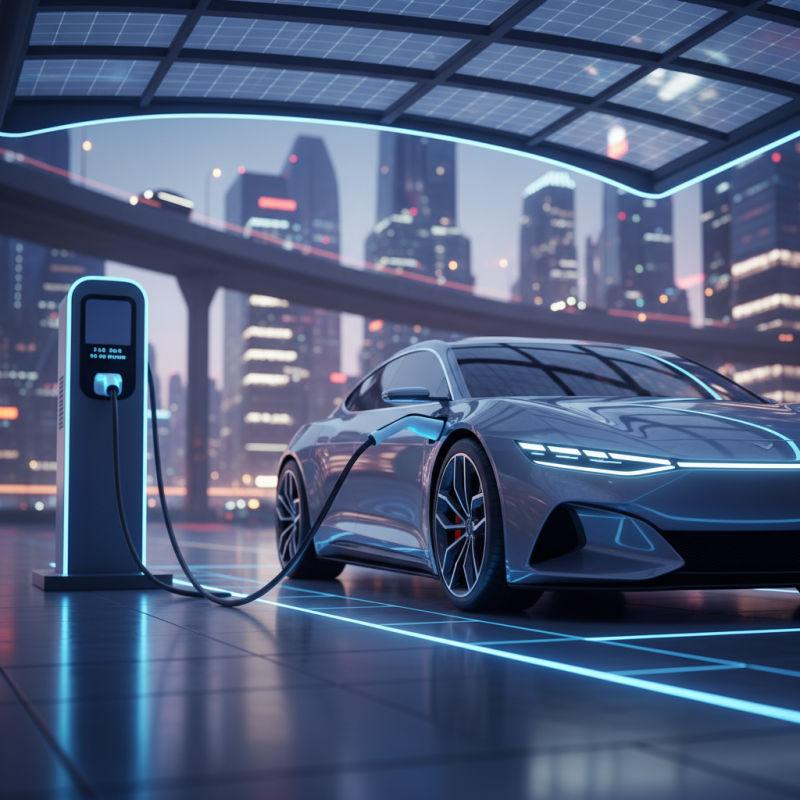
DC Fast Charging is a crucial technology in the electric vehicle (EV) infrastructure. It provides rapid charging solutions that can significantly reduce charging time compared to standard methods. This is essential for long-distance travel and everyday convenience. Many charging stations now feature DC fast chargers. They can deliver power levels ranging from 50 kW to over 350 kW. This allows EVs to charge to 80% in 30 minutes or less.
The role of DC fast charging extends beyond just speed. It helps to alleviate range anxiety among users. Fast chargers are often located along highways or urban centers. They create a network of charging points that supports longer journeys.
However, the availability of fast charging stations can be inconsistent. Some regions may lack adequate infrastructure. This is a growing concern for many potential EV owners.
Additionally, the high cost of installing DC fast chargers presents challenges. Local governments and private sectors struggle with funding. Maintenance and technology upgrades also add to the complexity. Finding a balance between demand and supply is not simple. It’s crucial for the EV movement to thrive. Ongoing improvements are necessary to create a well-connected charging ecosystem.
Key Components of DC Fast Charging Stations and Technology
DC fast charging is transforming the way we approach electric vehicle (EV) refueling. These stations offer high power output, significantly reducing charging time. A typical DC fast charger can deliver between 50 kW to 350 kW. This allows EVs to charge up to 80% in about 30 minutes. As of recent reports, the global market for DC fast charging equipment is anticipated to reach $9.5 billion by 2027, reflecting rising EV adoption.
Key components of DC fast charging stations include power conversion systems, connectors, and cooling mechanisms. The power conversion system takes AC power from the grid and converts it to DC. Connectors like CCS and CHAdeMO ensure compatibility with various vehicles. Effective cooling is vital; without it, overheating can damage the equipment. Interestingly, a significant number of chargers face downtime due to maintenance needs. Reports indicate that 20% of DC fast chargers are out of service at any given time.
Challenges remain. High installation costs can deter the expansion of charging networks. Moreover, the energy grid may struggle to keep up with demand as more EVs hit the roads. Local governments and private entities need to address these issues. Collaboration is essential to create a robust charging infrastructure that meets future demands.
How DC Fast Charging Works: The Process of Charging Electric Vehicles
DC Fast Charging is a game-changer for electric vehicles. It provides high-speed charging solutions, making long trips feasible. With the ability to deliver up to 350 kW, it significantly reduces downtime. That's appealing for many drivers.
The process of charging starts when a DC Fast Charger connects to an electric vehicle. The charger converts AC electricity from the grid into DC. This DC power then directly charges the vehicle's battery. It bypasses the vehicle's onboard charger, enabling faster energy transfer. Imagine filling up your tank in just 30 minutes. It's an incredible shift from traditional charging methods.
While DC Fast Charging is efficient, it comes with challenges. Not every electric vehicle supports high charging rates. Some batteries may degrade faster with frequent fast charging. Drivers should weigh the benefits against potential long-term effects. It's crucial to understand how charging habits impact battery health over time. The landscape of charging is evolving, but there’s more to discover.
Comparative Analysis: DC Fast Charging vs. Level 2 Charging Methods
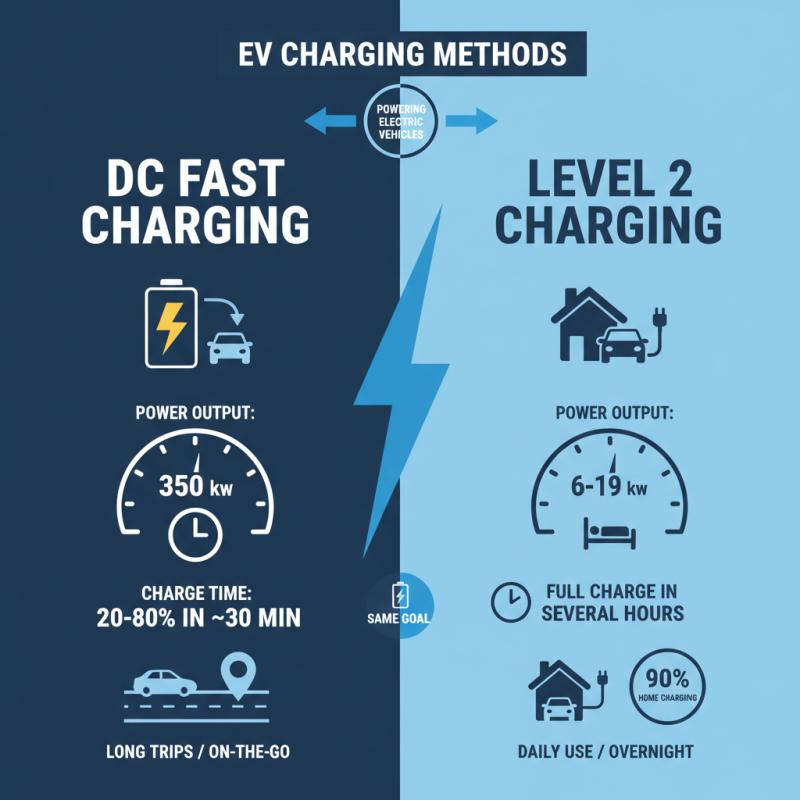
DC Fast Charging and Level 2 charging methods serve the same goal: powering electric vehicles. However, they differ significantly in speed and application. DC Fast Charging can deliver up to 350 kW, enabling an EV to charge from 20% to 80% in about 30 minutes. In contrast, Level 2 chargers provide around 6 to 19 kW, requiring several hours to fully charge a vehicle. Studies indicate that about 90% of charging happens at home, making Level 2 a convenient option for daily use. Yet, for long trips, DC Fast Charging becomes essential.
Despite the advantages, DC Fast Charging has limitations. Availability can be inconsistent, with infrastructure still developing in many regions. Some fast chargers also heat up, potentially affecting battery performance. Moreover, not all EVs are compatible with high-speed charging. This could lead to confusion for users. Planning trips that rely on these chargers requires careful consideration.
Tips: When using DC Fast Charging, monitor the time spent charging. Frequent fast charges may lower battery lifespan. For everyday needs, Level 2 charging is an effective and less stressful solution. Always check local charging stations before traveling. This will help avoid unexpected delays and enhance your driving experience.
Market Growth and Adoption Trends for DC Fast Charging Solutions
The global adoption of DC fast charging solutions is gaining momentum. Many countries are investing in infrastructure. This is crucial for the growth of electric vehicles (EVs). Fast chargers can deliver high power for quicker charging. Drivers can recharge their cars in 30 minutes or less. This convenience encourages more people to switch to EVs.
As the market grows, challenges remain. Availability of charging stations varies greatly between regions. Urban areas are often well-equipped, while rural areas lag behind. There is also a need for standardization in charging connectors. This confusion can discourage potential EV users. Moreover, public awareness of fast charging options is still low.
Despite these hurdles, the future looks bright. Government incentives are supporting the expansion of this technology. More businesses are recognizing the benefits of providing charging solutions. The potential for innovation is vast. As society shifts towards sustainable practices, DC fast charging will play an essential role. It’s important to address these challenges for a smoother transition to electric mobility.