What is a DC Fast Charging Station and How Does it Work?
The rise of electric vehicles (EVs) has changed the transportation landscape. According to the International Energy Agency, the number of EVs hit 10 million globally in 2020. With this growth comes the need for effective charging solutions. One significant innovation is the DC Fast Charging Station. These stations can charge an EV much faster than traditional AC chargers.
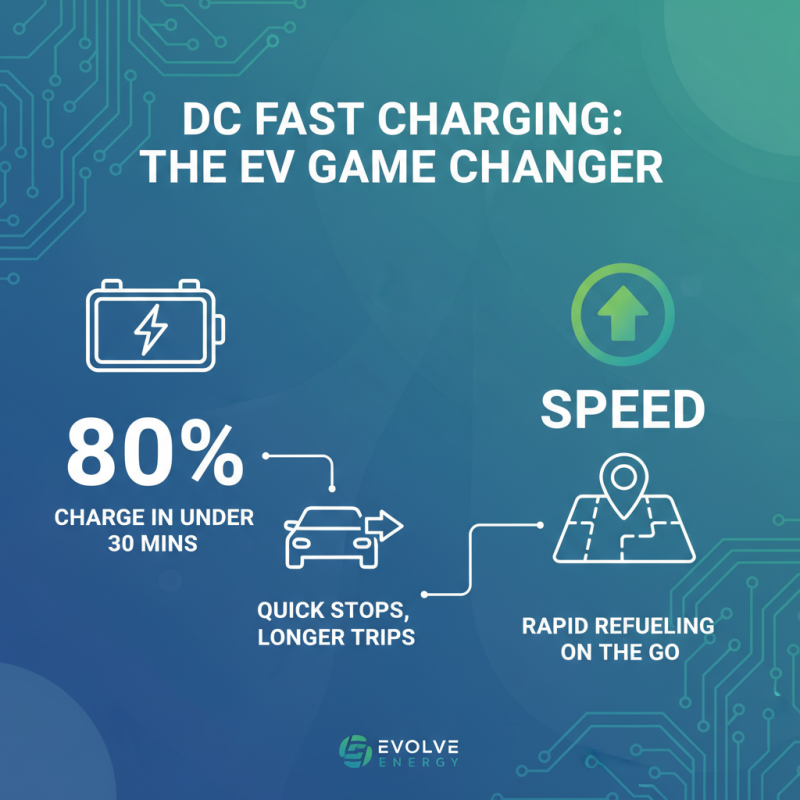
DC Fast Charging Stations significantly reduce charging time, making them essential for long-distance travel. Some stations can provide up to 80% charge in just 30 minutes. However, the widespread installation of these stations is still lacking in many areas. Urban locations often see more stations compared to rural ones, leaving some drivers without adequate access. This disparity is a concern that needs addressing.
Despite the clear advantages, not all DC Fast Charging Stations are created equal. Variations in cables, connectors, and charging speeds can confuse users. Some stations may not be compatible with all EV models, which raises questions. As the demand for EVs grows, ensuring standardized and user-friendly charging infrastructure will be crucial. Enhancing the availability and reliability of DC Fast Charging Stations will contribute to EV adoption and ease consumer doubts.
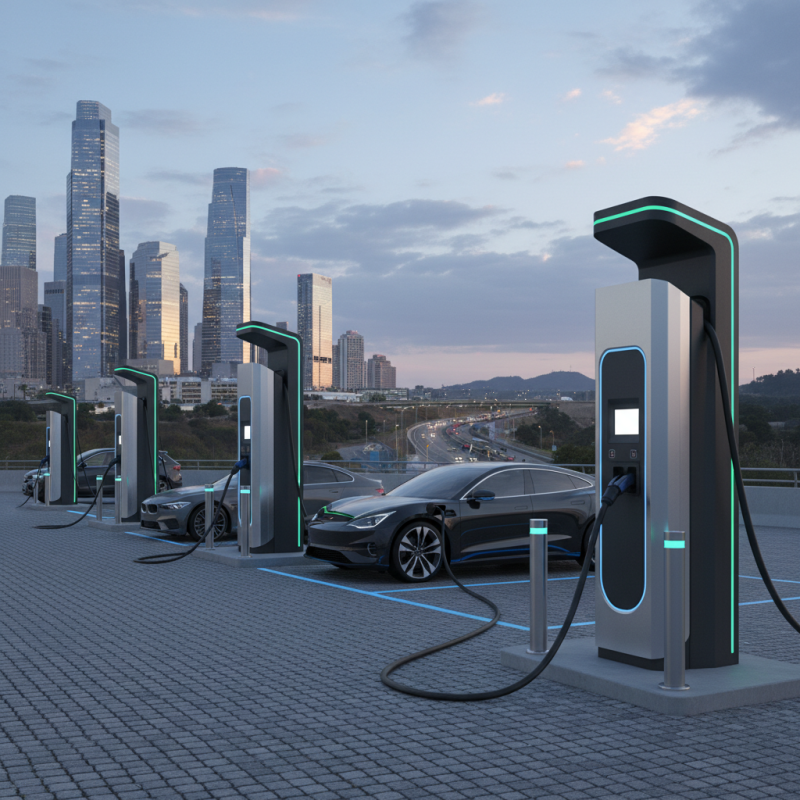
What is a DC Fast Charging Station?
DC Fast Charging Stations are crucial for electric vehicle (EV) infrastructure. These stations provide rapid charging capabilities that significantly reduce the time needed to charge a car. A typical DC fast charger can deliver power between 50 kW to 350 kW, depending on the model and the vehicle's compatibility. According to the International Energy Agency, the global number of public fast chargers reached over 200,000 in 2021. This growth is vital as it supports the rising number of electric vehicles on the road.
The technology behind DC fast charging involves direct current (DC) electricity, which allows for quicker energy transfer compared to standard AC chargers. While level 2 chargers may take hours to charge an EV, DC fast charging can achieve up to 80% charge in just 30 minutes for many models. However, not all EVs can accept high-speed charging. For instance, some older models might not support the higher kilowatt outputs. Additionally, the availability of charging stations can be inconsistent. Not every region has a robust network, leading to potential range anxiety for EV drivers.
Safety and infrastructure challenges remain as well. High power output can pose risks if stations are not properly maintained. Furthermore, the demand for fast charging can strain local electrical grids. Continuous investment is needed to ensure that the infrastructure keeps pace with the growing demand for electric vehicles.
What is a DC Fast Charging Station and How Does it Work?
| Feature |
Description |
Charging Speed |
Connector Types |
| Power Output |
Typically between 50 kW to 350 kW |
Up to 80% in 30 minutes |
CHAdeMO, CCS, Tesla Supercharger |
| Installation Locations |
Highway rest areas, urban centers, parking lots |
Fast charging for long trips |
Various based on charging station |
| User Experience |
Simple plug-in and pay, often via app |
Quick rest stops |
Standardized for most EVs |
| Benefits |
Fast charging improves EV usability |
Reduces range anxiety |
Supports multiple EV models |
| Challenges |
High installation costs, electrical infrastructure needs |
Demand for rapid installation |
Compatibility issues may arise |
Key Components of DC Fast Charging Stations
DC Fast Charging Stations are critical for electric vehicles. They provide high-speed charging, reducing waiting times. Understanding their key components helps users maximize their benefits.
One central element is the charging station itself. It typically includes a robust power supply, which ensures quick energy transfer. Cables and connectors facilitate the connection to electric vehicles. These elements must be durable and reliable for safety purposes. Monitoring systems track charging status, notifying users when charging completes.
Cooling systems play an important role, too. They prevent overheating during the charging process. Without proper cooling, performance can suffer. The interface, often a touchscreen, allows users to interact easily. However, some interfaces can be confusing, requiring user attention. This brings an opportunity for improvement in user experience. The integration of smart technology can further enhance functionality, but it can also lead to glitches or malfunctions.
DC Fast Charging Station Performance Overview
This bar chart represents the charging speed of various DC Fast Charging Stations, measured in kilowatts (kW). The data shows that Station D provides the highest charging speed at 200 kW, followed by Station B at 150 kW. These stations are critical for efficient electric vehicle charging, allowing faster turnaround times for drivers.
How DC Fast Charging Works: The Technical Process
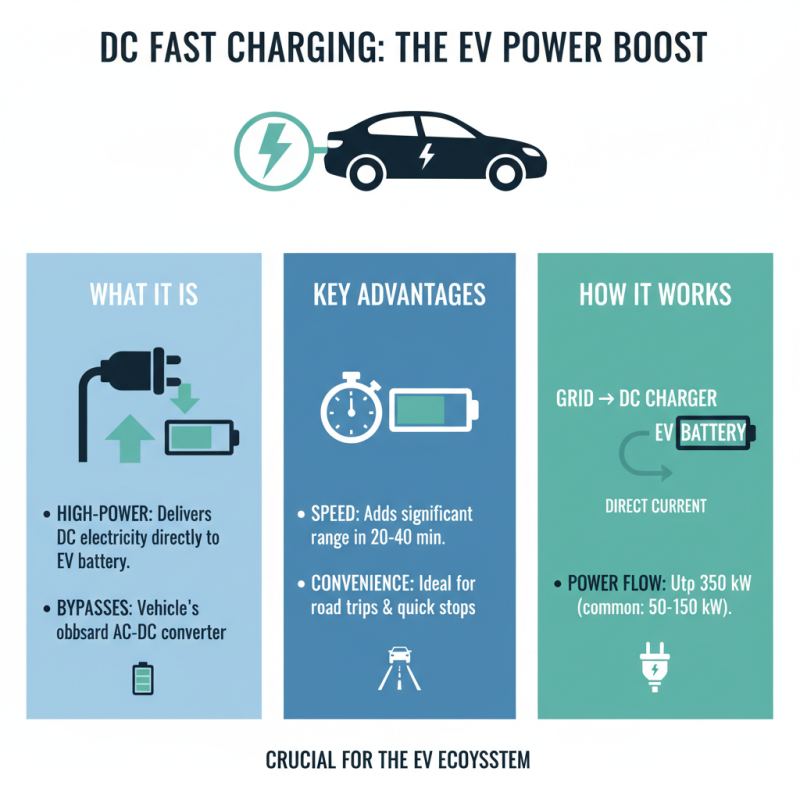
DC fast charging stations play a crucial role in the electric vehicle (EV) ecosystem. They offer a high-power charging option, enabling EVs to gain significant range in a short time. Typically, these stations provide direct current (DC) electricity, bypassing the onboard charger of the vehicle. This allows for faster energy transfer and shorter charging times.
The technical process begins when an EV connects to the charging station. This connection establishes communication between the vehicle and the charger. The charger identifies the vehicle's requirements. It adjusts the power output accordingly. This ensures safety and efficiency during charging. Most stations can deliver between 50 kW to over 350 kW. The charging speed can be influenced by factors like battery size and environmental conditions.
Despite their advantages, there are challenges. Not all charging stations support every EV model. Compatibility issues can arise. Additionally, the location of these stations can be inconvenient. Drivers may find themselves without access in remote areas. Service reliability can also vary, leading to frustrating experiences for users. The rapid expansion of DC fast charging infrastructure presents an opportunity for improvement and innovation.
Benefits and Limitations of DC Fast Charging
DC Fast Charging Stations (DCFC) have transformed electric vehicle (EV) charging, offering substantial advantages. One key benefit is speed. On average, these stations can charge an EV to 80% in under 30 minutes. This is crucial for long trips, keeping drivers on the road.
However, there are limitations. Not all vehicles support DC fast charging. According to the Department of Energy, only certain models are compatible. Additionally, the infrastructure is still developing. Areas with few stations may leave EV owners frustrated. Charging speed can also vary based on station availability and power output.
Tip: Always check for compatible charging stations before your trip. Download apps that show real-time availability.
Another concern is cost. DCFC is more expensive than standard charging. Users may face higher fees due to demand. Many charging networks charge a premium for fast service. This can lead to unexpected costs.
Tip: Consider timing your charging during off-peak hours. This can reduce fees and ensure station availability. Balancing convenience and cost is essential for a smooth EV experience.
Global Adoption and Future Trends in DC Fast Charging Technology
The global adoption of DC fast charging technology is on the rise. Many cities are installing more charging stations. This makes electric vehicles (EVs) more convenient. Faster charging times lead to better user experiences. However, infrastructure is not uniformly available everywhere. Some areas remain underserved.
Future trends indicate a shift towards greater efficiency. New technologies aim to improve charging speeds further. High-power charging systems are in development. They could reduce charging times, making electric vehicles more appealing to consumers. Yet, challenges persist. Standardization is still lacking. This leads to compatibility issues and consumer confusion.
As more users adopt EVs, the demand for reliable charging networks grows. Cities must plan for the future. They will need to integrate these stations into urban environments. Balancing space, aesthetics, and accessibility can be complex. Without thoughtful planning, urban charging stations may face significant hurdles.