10 Essential Tips for Success in the Charging Pile Industry?
The Charging Pile Industry is rapidly evolving. This sector plays a crucial role in the shift towards electric vehicles. With the increasing demand for sustainable energy solutions, success in this industry is essential.
To thrive, professionals must understand the unique challenges and opportunities present. The growth is promising but not without obstacles. Companies face competition, regulatory hurdles, and technological challenges. Many entrepreneurs underestimate the complexities involved.
Building relationships with stakeholders is vital. Investing in quality infrastructure is necessary. Attention to detail can make a significant difference. Perfecting the balance between cost and performance is not easy. Reflecting on failures and learning from them is essential for progress in the Charging Pile Industry.
Understanding the Basics of the Charging Pile Industry
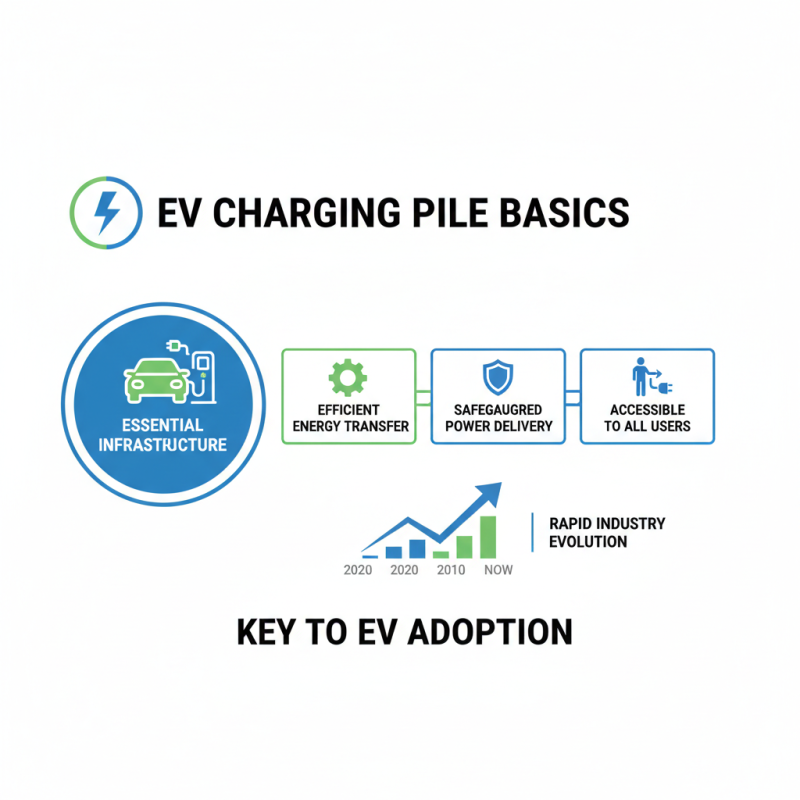
The charging pile industry is evolving rapidly as electric vehicles gain popularity. Understanding its basics is crucial for anyone entering this field. Charging piles are essential infrastructure for electric cars. They provide the energy needed to recharge batteries. This process must be efficient, safe, and accessible to users.
A key aspect is the different types of charging piles. There are fast chargers and slow chargers. Fast chargers quickly deliver energy but may be more expensive to install. Slow chargers are cheaper but take longer to charge vehicles. Knowing the pros and cons of each type is essential. Site selection also impacts success. Locations should be convenient for users. Ideal spots include shopping centers and busy urban areas.
The industry faces challenges, such as standardization and technology integration. Many products are not compatible with each other. This can frustrate users and hinder growth. There’s a need for clearer guidelines and unified standards. Continuous learning is necessary in this dynamic field. Aspiring professionals must stay updated on trends and regulations. Emphasizing user experience can lead to better service and attract more customers.
Key Market Trends Shaping the Future of Charging Infrastructure
The charging pile industry is experiencing significant shifts. Key trends are emerging to fuel future growth. Recent data indicates that by 2025, the number of public charging stations is expected to triple. This surge is essential for meeting the rising demand from electric vehicle (EV) users.
Investment in smart charging technology is crucial. Smart chargers can optimize energy use, offering cost savings. They adapt to grid demands and help balance loads. This technology also enhances user experience. Consumers want reliability and convenience. Adopting smart solutions can set providers apart.
To succeed, businesses should prioritize location strategy. Ensure charging stations are strategically placed near high-traffic areas. Also, consider collaborating with local businesses to enhance visibility.
Listening to customer feedback is vital. Their experiences shape future offerings. Regular assessments and adjustments build trust. Adapting to evolving needs prevents stagnation.
Embrace sustainability initiatives. Installing solar panels at charging locations appeals to eco-conscious users. This step is not just beneficial for the planet; it can improve the financial viability of charging stations as well. Adjusting to market demands while staying resilient is key.
Regulatory Requirements and Compliance in Charging Pile Projects
In the charging pile industry, understanding regulatory requirements is critical. According to the International Energy Agency (IEA), electric vehicle sales are expected to reach 145 million by 2030. As demand grows, so do the regulations governing charging infrastructure. Compliance with local regulations ensures safety and interoperability. Missing compliance can lead to fines and project delays.
Each region has unique standards. The requirements for installation and maintenance can vary significantly. Reports indicate that around 30% of projects fail due to inadequate understanding of these regulations. This statistic highlights the need for extensive research before initiating projects. Knowledge of fire safety codes and electrical standards can prevent costly oversights.
It's essential to stay updated with evolving regulations. Many companies overlook this crucial aspect. A 2022 survey revealed that over 40% of industry professionals felt unprepared for changes in compliance laws. Engaging with local authorities and industry bodies can provide valuable insights. This proactive approach can enhance project success rates and build trust within the community.
Strategies for Efficient Installation and Maintenance of Charging Piles
Effective installation and maintenance of charging piles require careful planning. Identify the right location based on demand.
Visibility is crucial, yet not all high-traffic areas are ideal. Poor accessibility can result in maintenance challenges.
Assess the ground conditions before installation. This ensures stability and longevity.
Routine maintenance should not be underestimated. Schedule regular inspections to check for wear and tear.
Quick fixes can prevent larger issues from emerging. Sometimes, you may find issues that weren’t apparent initially.
This can lead to unexpected costs. Consider using digital solutions for monitoring. These can provide real-time data, but don’t solely rely on technology.
Human oversight is still essential for troubleshooting.
Training your staff is also vital. They should understand both technical details and safety protocols.
Occasionally, mistakes will happen. Learning from them is key to improvement. Encourage an open dialogue among team members.
This fosters an environment of shared knowledge.
Installing and maintaining charging piles isn't a one-time task; it’s an ongoing journey.
Building Partnerships for Success in the Charging Pile Ecosystem
Building successful partnerships in the charging pile ecosystem is crucial. Collaborating with various stakeholders creates synergy. Key partners include manufacturers, local governments, and energy providers. Without strong relationships, projects may fail or underperform.
Effective communication plays a major role in these partnerships. Regular meetings can help clarify goals and expectations. Misunderstandings often arise, leading to wasted resources. It is essential to listen actively and adapt to partners' needs. This sometimes requires compromise and flexibility.
Trust is another vital element. It takes time to build, but is essential for long-term success. Partners may diverge on certain issues. When conflicts arise, they should be addressed openly. A lack of trust can derail an entire project. Remember, maintaining a network is an ongoing process. Challenges will emerge, requiring consistent effort from all parties involved.