In the evolving landscape of electric vehicles, understanding the role of an EV car charger is crucial. Industry expert Sarah Thompson, a renowned figure in electric mobility, states, "The right EV car charger can significantly enhance your driving experience." This emphasizes the importance of choosing the right charger for efficiency and convenience.
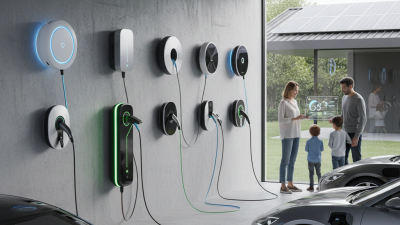
EV car chargers come in various types and capabilities. Knowing how they work can help users make informed decisions. Most chargers connect to a standard electrical outlet or a dedicated charging unit. As more people adopt electric vehicles, the demand for efficient charging solutions grows.
Yet, not all chargers are created equal. Users often encounter issues with speed and compatibility. These challenges can be frustrating and may require careful consideration. Ultimately, investing time in understanding EV car chargers is essential for maximizing the benefits of electric vehicle ownership.
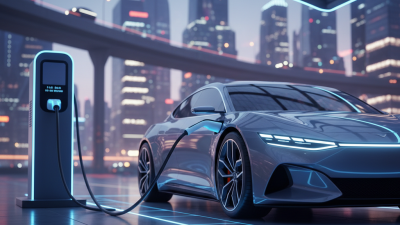
Electric Vehicle (EV) car chargers play a crucial role in the growing use of electric vehicles. An EV charger supplies power to recharge the battery of an electric car. It converts grid electricity into a form usable by the vehicle. According to the International Energy Agency, global electric vehicle sales reached nearly 10 million units in 2022. This surge increases the demand for efficient charging solutions.
There are various types of EV chargers available. Level 1 chargers use standard home outlets. They deliver about 4-5 miles of range per hour. Level 2 chargers are more common for homes and commercial sites. They offer faster charging capabilities, providing 20-30 miles of range in one hour. However, the installation costs for these chargers can be a barrier. Reports indicate that the average installation cost can range from $500 to $2,000, depending on factors like location and existing infrastructure.
Public charging stations are essential for supporting EV adoption. The U.S. has over 100,000 charge points across the country. However, accessibility remains a concern. Many areas still lack sufficient charging infrastructure. This gap may hinder EV growth in those regions. Consumers often express worries over range anxiety and charging availability. The industry needs to address these issues to foster a more robust EV ecosystem.
Electric Vehicle (EV) chargers come in various types, primarily categorized as Level 1, Level 2, and DC Fast Chargers. Each level impacts charging speed and convenience for EV owners. Level 1 chargers use a standard household outlet. These chargers are accessible but slow. They offer around 4 to 5 miles of range per hour. This might not be sufficient for daily drivers.
Level 2 chargers provide a significant upgrade. These chargers usually require a dedicated circuit. They deliver 10 to 60 miles of range per hour. You can often find them at public charging stations and residential setups. However, installation costs can be high. It makes some hesitate.
DC Fast Chargers are the quickest option available. Some can provide an 80% charge in just 30 minutes. They use high voltage to achieve this speed. However, not all EVs can handle this rapid charging. You might need to plan trips around available stations. It raises the question of infrastructure development. There’s still work to be done to ensure widespread access and efficiency. Each type of charger has its pros and cons. Understanding them can help you make an informed choice.
An EV car charger is a device that transfers electricity to electric vehicles. It connects the vehicle’s battery to an energy source. Understanding its function can help us appreciate electric mobility.
Charging starts when the vehicle is plugged in. The charger communicates with the car, ensuring a safe and efficient flow of electricity. Most chargers convert alternating current (AC) to direct current (DC). This conversion is crucial for the vehicle’s battery. The charging speed varies depending on the charger type. Level 1 chargers are slower and suitable for home use.
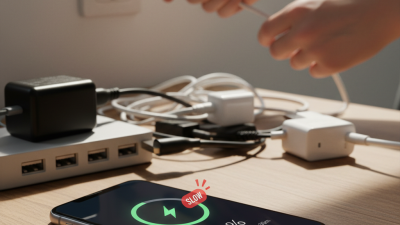
Interesting fact: charging time is not as straightforward as it seems. Some factors can affect speed — battery size, current state, and even temperature. Users might find themselves frustrated by slow charging times. This inconsistency raises questions about convenience. Despite the push for electric vehicles, challenges remain. Access to charging stations can be limited. Sometimes, it's hard to find a working charger when needed. These realities will require ongoing reflection and improvement as we move toward a more electric future.
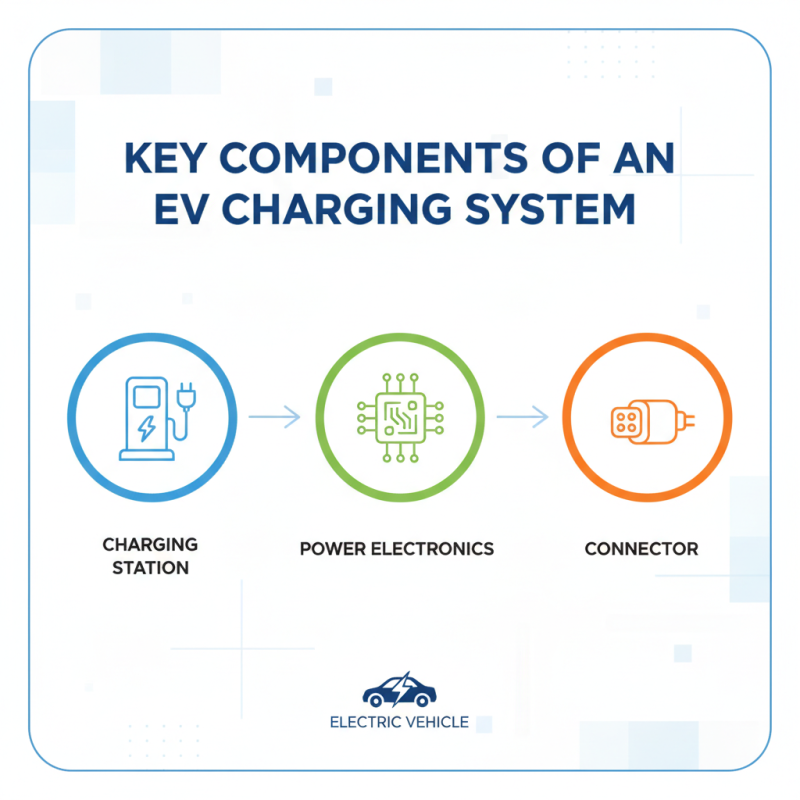
An EV car charger is essential for electric vehicles. It converts electrical energy from a power source to a suitable form for charging. The key components of an EV charging system include the charging station, the power electronics, and the connector.
The charging station provides a safe and efficient environment for charging. It often has components that handle the distribution of electricity. Power electronics manage the flow of electricity, ensuring the vehicle charges without overloads. The connector is how the vehicle interfaces with the charger. This part is crucial for compatibility; not all chargers fit every EV.
Tips: Always check the specifications of your vehicle. Knowing your EV's requirements can prevent issues while charging. Keep the connectors clean to ensure a good connection. A little maintenance can go a long way in prolonging charger life.
Mistakes can happen; some chargers may not work smoothly due to compatibility issues. Pay attention to the charging speed; slower chargers take longer to fill the battery. This may affect your plans, especially on long trips. Understanding the components helps in making informed choices.
Electric vehicles (EVs) are becoming popular. With this rise, EV chargers play a vital role. They not only provide power but also enhance the overall EV experience. Charging at home is convenient. It saves time and ensures your vehicle is ready when you are.
Using an EV charger offers numerous benefits. They are more efficient than standard outlets. Fast charging options can juice up your car quickly. Many public chargers have advanced technology to track charging times and costs. This transparency can help with budgeting.
However, there are challenges. Access to public chargers can be limited. Waiting times at busy stations may cause frustration. Not every location has the necessary infrastructure, making long trips more complex. Reflecting on these aspects can help in planning better as electric vehicle adoption continues to grow.