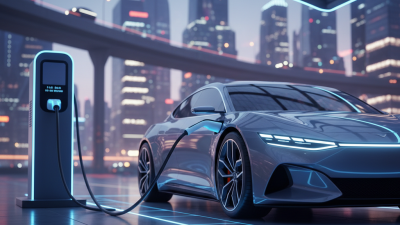
Why Are Electric Vehicle Charging Stations Important for Global Buyers?
As the global shift towards electric mobility accelerates, the role of Electric Vehicle Charging Stations becomes crucial. According to a recent McKinsey report, the number of public charging points is expected to grow from 250,000 to 3 million by 2030. This explosive growth reflects the increasing adoption of electric vehicles (EVs) worldwide. Industry expert Dr. Jane Thompson states, “The availability of charging infrastructure is a critical factor that influences potential buyers' decisions.”
Electric Vehicle Charging Stations not only support EV drivers but also alleviate range anxiety. With more charging points, consumers feel more confident in making the switch from traditional combustion engines to electric alternatives. However, challenges remain. Many areas still lack sufficient charging infrastructure, which can hinder EV adoption. The need to improve accessibility and reliability of charging stations is evident.
Furthermore, the development of fast-charging technologies can shift consumer perception. Many still question the charging times associated with EVs. Addressing these misconceptions is paramount for the industry. Stakeholders must work collaboratively to ensure that Electric Vehicle Charging Stations meet growing consumer demands. In doing so, they will enhance the EV market's appeal and ultimately contribute to a greener future.
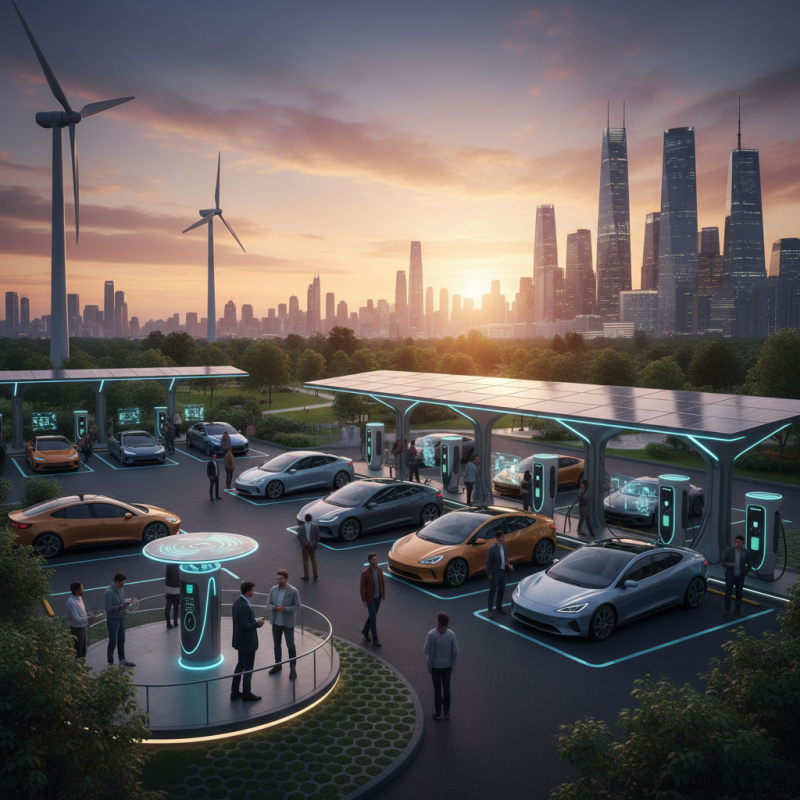
The Role of Electric Vehicle Charging Stations in Sustainable Transportation
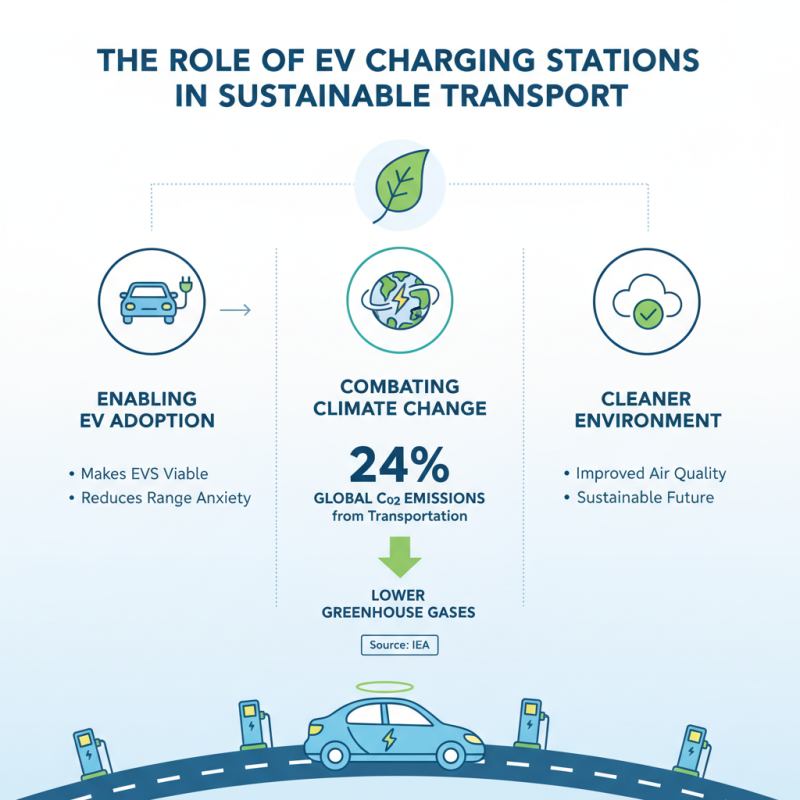
Electric vehicle (EV) charging stations play a crucial role in promoting sustainable transportation. They help reduce greenhouse gas emissions, a pressing concern in our climate crisis. The International Energy Agency (IEA) reported that transportation accounts for nearly 24% of global CO2 emissions. By making EVs more viable, charging stations can significantly contribute to a cleaner environment.
Access to reliable charging infrastructure is vital. The United Nations Environment Programme found that countries with comprehensive charging networks see higher adoption rates of EVs. For example, Norway leads with one charging point for every 2.5 EVs. In contrast, regions with limited charging options struggle to transition, revealing an imbalance in sustainable development efforts.
Nevertheless, challenges persist. Some charging stations are underutilized, limiting their effectiveness. Users often experience range anxiety, fearing they will run out of charge before reaching a station. It's crucial to address these psychological barriers while improving charging station distribution and accessibility. A thoughtful approach is needed to ensure that charging stations truly facilitate a shift toward sustainability.
Economic Benefits of Widespread Electric Vehicle Charging Infrastructure
Electric vehicle (EV) charging stations are crucial for supporting the growth of a sustainable transportation system. A well-established charging infrastructure brings economic advantages to communities. For instance, EV stations attract new businesses. They encourage consumers to spend time around charging points, potentially boosting local economies.
Investment in charging stations creates jobs. Skilled workers are needed for installation and maintenance. This not only enhances employment opportunities but also helps drive innovation in local markets. The presence of these stations can also increase property values. Homebuyers are likely to prefer areas with easy access to charging options, making such locations more desirable.
However, challenges remain. There are concerns about the initial costs of setting up charging infrastructure. Some regions may lack adequate funding for these projects. Moreover, certain locations still face logistical issues. Ensuring enough power supply and dealing with installation permits can stall development. Addressing these complexities is vital for harnessing the full potential of widespread EV charging networks.
Impact of Charging Stations on Electric Vehicle Adoption Rates
Charging stations play a crucial role in enhancing electric vehicle (EV) adoption rates. Their presence significantly reduces range anxiety, a common concern for potential buyers. When drivers know they can easily access charging stations, they feel more at ease making the switch to electric. This comfort can lead to increased sales and a thriving EV market.
The variety and distribution of charging stations also influence consumer choices. Urban areas with numerous stations tend to see higher EV adoption than rural locations. This discrepancy raises important questions about infrastructure planning. Are we ensuring equal access for all communities? Manufacturers and policymakers must address these gaps to boost EV growth.
Moreover, the speed of charging is essential. Fast-charging options reduce wait times and enhance the overall experience. Yet, many stations still offer only standard charging, leading to frustration for users. As charging technology evolves, improvements are necessary. Continuous upgrades will encourage more drivers to consider electric vehicles. The journey towards widespread EV adoption requires careful thought on charging solutions.
Why Are Electric Vehicle Charging Stations Important for Global Buyers? - Impact of Charging Stations on Electric Vehicle Adoption Rates
| Region |
Number of Charging Stations |
Electric Vehicle Sales (% of Total Vehicle Sales) |
Impact on Adoption Rate (%) |
| North America |
100,000 |
5% |
15% |
| Europe |
250,000 |
15% |
25% |
| Asia-Pacific |
300,000 |
8% |
20% |
| Latin America |
25,000 |
2% |
10% |
| Middle East & Africa |
15,000 |
1% |
5% |
Challenges and Solutions in Expanding Charging Station Networks
The expansion of electric vehicle (EV) charging station networks faces several challenges. Limited infrastructure is a critical issue. Many regions lack sufficient charging stations, making long-distance travel difficult. Potential EV buyers may have concerns about finding a working station. This uncertainty can hinder the adoption of electric vehicles.
Another challenge is the cost of installation. Building new charging stations requires significant investment. Local governments and private companies often struggle to fund these projects. Without financial support, expanding the network remains slow. Consumers need to see more charging options, especially in urban areas and along highways.
Solutions do exist. Innovative funding methods can help reduce installation costs. For instance, partnerships between municipalities and energy providers may ease financial burdens. Developing fast-charging technology can also encourage more installations. As the technology evolves, stations can serve more vehicles in a shorter time. These efforts establish a reliable network, addressing the concerns of potential EV buyers and promoting cleaner transportation choices.
Electric Vehicle Charging Station Growth and Challenges
Future Trends in Electric Vehicle Charging Technology and Accessibility
The future of electric vehicle (EV) charging technology is rapidly evolving. As more global buyers shift towards electrification, the importance of accessible charging stations becomes paramount. Advancements in charging technology aim to reduce charging times significantly. Fast chargers, capable of providing a substantial range in just minutes, are becoming more common. This shift in technology not only caters to convenience but addresses the anxiety often associated with long charging times.
Tips: Consider planning your routes around charging stations. Use apps that map charging locations efficiently. Awareness of station availability can ease range anxiety.
Accessibility remains a critical issue. Many regions still lack adequate charging infrastructure, particularly in rural areas. This gap hinders EV adoption among potential buyers. Efforts must continue to ensure equitable access to charging stations globally. This aspect should prompt reflection on the need for investment in infrastructure.
Tips: Stay informed about local initiatives aimed at increasing charging availability. Engaging with community programs can encourage changes that benefit all drivers. Every small step counts towards building a more robust EV ecosystem.