Why Invest in Electric Car Charging Pile for Your Business?
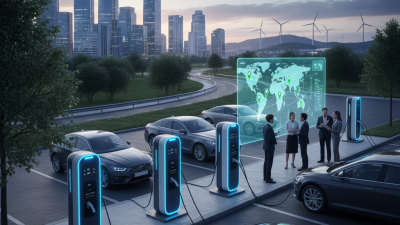
The rise of electric vehicles is transforming the automotive landscape. Businesses have the opportunity to thrive in this changing environment. Investing in an Electric Car Charging Pile is a smart decision. It enhances customer experience and attracts eco-conscious clients.
Imagine the benefits of an Electric Car Charging Pile in your parking lot. It not only provides convenience but also shows your commitment to sustainability. However, many businesses overlook this trend. They fear the initial investment might not pay off. Yet, as electric vehicle adoption grows, this concern fades.
Moreover, charging infrastructure can boost property value. It can lead to increased foot traffic and longer customer stays. Still, businesses must carefully evaluate locations and charging speeds. Understanding market demand is crucial. Investing in Electric Car Charging Piles is more than just a trend; it’s a strategic move for the future.

Benefits of Investing in Electric Car Charging Stations for Businesses
Investing in electric car charging stations is a strategic move for businesses. With electric vehicle (EV) sales projected to hit 20 million by 2030, the demand for charging infrastructure is on the rise. According to the International Energy Agency, the number of EVs on the road is expected to increase significantly, which means more consumers will seek convenient charging options.
Having charging stations not only attracts customers but also enhances business visibility. A recent report by the Edison Electric Institute states that businesses with charging solutions see a 20% increase in foot traffic. This surge can lead to higher sales. Moreover, many governments are offering incentives for businesses that install EV charging points. These financial benefits can offset initial investment costs.
However, some businesses hesitate, fearing installation expenses or insufficient demand. It's essential to analyze local EV adoption rates. In some regions, the availability of charging stations may be limited, making it a great opportunity. On the flip side, the challenge remains whether usage will meet expectations. Aligning investment with market trends, while assessing all angles, is crucial for maximizing returns in this evolving landscape.
Benefits of Investing in Electric Car Charging Stations for Businesses
Market Growth and Consumer Demand for Electric Vehicles and Charging Solutions
The rapid growth of electric vehicles (EVs) presents a significant opportunity for businesses. Consumers are increasingly opting for electric cars due to rising fuel costs and environmental concerns. This shift is driving demand for more charging stations. Companies that invest in charging piles can enhance their appeal to eco-conscious customers.
Charging solutions are not just a trend; they represent a fundamental change in transportation. In many urban areas, residents are seeking convenient charging options. Businesses that install charging infrastructure can attract foot traffic, increasing sales. However, it's crucial to consider the initial investment and ongoing maintenance costs. Understanding the local market dynamics is essential before making this commitment.
Moreover, partnering with reliable technology providers can enhance the effectiveness of charging solutions. Training staff to assist customers with EVs can improve the overall experience. As the market develops, staying updated on innovations in charging technology is vital. Reflecting on these aspects fosters a strategic approach to tapping into the electric vehicle market.
Cost Analysis: Installation and Maintenance of Charging Piles
The installation of electric car charging piles can represent a significant investment for businesses. A report by the International Energy Agency (IEA) indicates that the number of electric vehicles (EVs) will exceed 300 million by 2030, leading to increased demand for charging infrastructure. However, the initial costs can be daunting. Estimates suggest that installing a Level 2 charging station can range from $2,000 to $10,000, depending on site conditions and installation complexity.
Maintenance of these charging stations also incurs ongoing costs. A study from the Department of Energy reveals that annual maintenance costs can be approximately $500 to $1,500 per station. These costs may fluctuate based on usage and technology advancements. Businesses must consider these factors when planning their investment. Some operators may overlook the potential need for software updates or hardware repairs, which can impact operational effectiveness.
While the financial commitment is substantial, the return on investment can justify the expense. Many companies report increased foot traffic as EV users flock to their charging spots. Understanding the full scope of costs, potential maintenance challenges, and willingness to adapt is critical for businesses looking to invest in charging infrastructure.
Why Invest in Electric Car Charging Pile for Your Business? - Cost Analysis: Installation and Maintenance of Charging Piles
| Category |
Initial Installation Cost |
Annual Maintenance Cost |
Average Charging Rate |
Expected ROI (Years) |
| Level 2 Charging Station |
$5,000 |
$300 |
$0.25/kWh |
3-5 years |
| DC Fast Charging Station |
$30,000 |
$1,200 |
$0.40/kWh |
5-7 years |
| Wireless Charging Station |
$15,000 |
$500 |
$0.35/kWh |
4-6 years |
| Home Charging Station |
$1,500 |
$150 |
$0.20/kWh |
2-3 years |
Government Incentives and Rebates for Electric Vehicle Infrastructure Investments
Investing in electric car charging infrastructure presents numerous benefits for businesses. Government incentives and rebates serve as a strong motivator. These financial aids can substantially reduce the initial investment costs. Understanding how to navigate these opportunities is crucial for business owners.
Many regions offer tax credits for the installation of charging stations. This can lead to significant savings for companies. These incentives not only help offset setup costs but also promote sustainability. They encourage businesses to contribute to a greener society. However, navigating the specifics can be challenging. Requirements may vary widely by location and incentive type.
Tips: Research local and federal programs extensively. Staying updated can enhance your eligibility for these financial benefits. Consulting with professionals can provide valuable insights. Always double-check the conditions related to these incentives. Ensure your projects align with the guidelines to maximize benefits. Consider the long-term return on investment. With proper planning, you can take full advantage of available incentives.
The Role of Charging Infrastructure in Enhancing Business Sustainability Efforts
As businesses integrate sustainability into their core strategies, investing in electric car charging infrastructure plays a pivotal role. Research from the International Energy Agency (IEA) indicates that global sales of electric vehicles (EVs) are expected to reach 30% of total car sales by 2030. This shift mandates businesses to adapt. Establishing charging stations not only supports your clientele but also sends a powerful message about your commitment to reducing carbon emissions.
The presence of charging infrastructure can boost customer loyalty. A survey by the U.S. Department of Energy showed that 80% of EV owners are likely to return to a location with charging access. This translates to increased foot traffic and potential sales. Furthermore, integrating renewable energy sources with charging stations can enhance overall business sustainability. However, the installation process can be complex, and not all locations may yield a return on investment. Businesses must assess their unique situation carefully.
Investing in charging piles also requires long-term planning. With the rapid evolution of EV technology, charging speeds and types may change. Businesses need to stay updated on trends. Engaging with local authorities and understanding regulatory frameworks is essential. Exploring partnerships with charging network providers can help, yet reliance on third parties may introduce uncertainties. Balancing your sustainability goals with pragmatic business considerations is crucial for success.