What is New Energy Charging Stations and How to Choose Them?
As the world pivots towards sustainable energy solutions, New Energy Charging Stations have emerged as a crucial component of this transition. According to the International Energy Agency (IEA), the number of electric vehicles (EVs) on the road is expected to reach 145 million by 2030, significantly increasing the demand for robust charging infrastructure. Industry experts predict that the global market for charging stations will exceed $23 billion within the next five years.
Dr. Emily Zhang, a leading expert in renewable energy technology, emphasizes the importance of strategically selecting charging stations: “The right New Energy Charging Stations can optimize energy use and enhance EV adoption.” Choosing the right infrastructure is paramount. Not only must the stations be efficient, but they must also meet the needs of diverse user groups, including residential and commercial sectors.
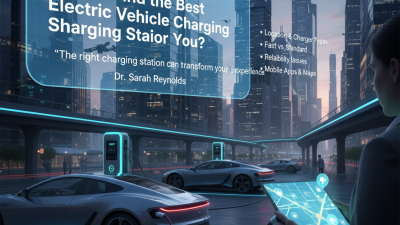
It's vital to consider various factors like charging speed, location accessibility, and service reliability when making a decision. Data from recent studies suggest that 70% of consumers prioritize charging speed in their choices. However, many still lack adequate information about station options. This gap presents an opportunity for improvement in information dissemination within the industry, ensuring consumers can make informed choices.
Understanding the Basics of New Energy Charging Stations
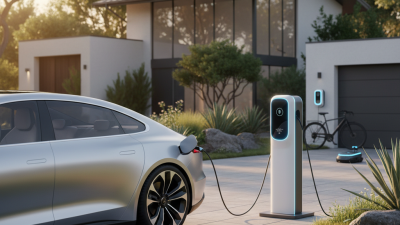
New energy charging stations are essential for electric vehicles (EVs). They provide the infrastructure needed for convenient charging. Understanding how these stations work is key for users making informed choices.
Charging stations can vary widely. Some offer fast charging, while others are more suited for overnight charging. The location is critical. A station in a busy area ensures easy access. Meanwhile, a home station can provide convenience and reliability. Each type has its benefits, but users must consider their own needs. Where do you drive the most? Do you need quick charges?
Reflecting on technology is important. Not all stations are user-friendly. Some may face power outages or technical issues. User experience can vary drastically. Researching the best stations in your area can save time and frustration. There's a growing need for standardization in charging methods. This can lead to a better experience for all EV owners. Choosing wisely impacts how smoothly your journey will go.
What is New Energy Charging Stations and How to Choose Them? - Understanding the Basics of New Energy Charging Stations
| Station Type |
Charging Speed (kW) |
Connector Type |
Installation Location |
Average Cost ($) |
| Home Charger |
7.4 |
Type 1, Type 2 |
Residential |
500 |
| Public Level 2 Charger |
22 |
Type 2 |
Public Parking |
3,000 |
| Fast Charger |
50 |
CCS, CHAdeMO |
Highway Rest Areas |
20,000 |
| Ultra-Fast Charger |
150-350 |
CCS, CHAdeMO |
Urban Locations |
40,000 |
Types of New Energy Charging Stations Available Today
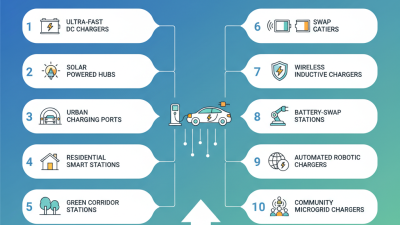
New energy charging stations are evolving rapidly. There are a few main types that stand out today. Each type serves different needs and environments. Understanding these can help users make informed choices.
Firstly, there are Level 1 chargers. These use standard household outlets. They are slow, taking hours to charge a vehicle. However, they are convenient for home use. Many people see them as an initial investment for EV ownership.
Level 2 chargers are more popular for commercial spaces. They work at a higher voltage, reducing charging time significantly. These stations are becoming common at shopping centers or workplaces.
Fast charging stations are another option. They can charge a vehicle in 30 minutes or less. This type is vital for long trips. However, they may not be as prevalent. Finding a nearby fast charger can sometimes be a challenge. While they are convenient, the cost of installation and operation is higher.
Users must assess their charging needs before choosing the right type. Each station has its pros and cons, which deserve careful consideration.
Key Features to Consider When Choosing a Charging Station
When selecting a new energy charging station, it is vital to consider several key features.
The power output is essential. Look for stations that offer fast charging capabilities to minimize downtime.
A station with a higher kW rating will charge vehicles more quickly.
Check the compatibility with different electric vehicle models. Not all stations work with every car type.
Understanding this can save frustration.
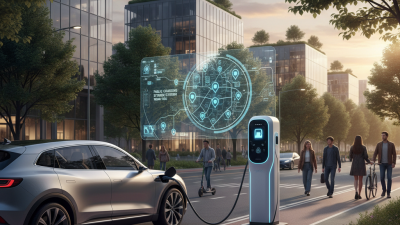
Accessibility is another crucial factor. A good charging station should be easily reachable.
It should also have clear signage to assist drivers. Consider the availability of
multiple connectors.
This allows various vehicles to use the station without hassle.
Installation location also matters.
Stations placed in well-lit, secure areas increase safety during charging.
Evaluate the warranty and customer support options as you research.
Some installations may have hidden fees, so understand the total costs upfront.
It’s worth pondering how often you will utilize the station and if it fits your needs over time.
Each feature plays a role in ensuring a reliable and efficient charging experience.
Cost Factors and Budgeting for New Energy Charging Stations
When planning to install new energy charging stations, understanding cost factors is essential. The initial setup costs can vary significantly. Installation might range from a few thousand to tens of thousands of dollars. Location plays a critical role in pricing. Urban areas may have higher costs due to land prices. A convenient site can attract more users, boosting potential revenue.
Beyond installation, consider ongoing operational costs. These include electricity, maintenance, and software fees for monitoring usage. Charging stations may also require periodic upgrades to stay efficient. Budgeting for these expenses is crucial to avoid unexpected financial strain. In some cases, finding funding or incentives can ease the burden. Research local programs that support green initiatives.
Evaluating expected ROI is important. Projects that seem lucrative might not deliver immediate profits. Analyzing traffic patterns and user demand can provide insight. Some installations might underperform, leading to budget reevaluation. It's vital to remain flexible and adjust plans based on real-world data. Continuous assessment ensures that your investment remains aligned with community needs.
Cost Factors for New Energy Charging Stations
This chart illustrates the various cost factors associated with new energy charging stations. The primary expenses include installation, equipment, maintenance, operational, and real estate costs, providing a comprehensive overview for budgeting purposes.
Future Trends in New Energy Charging Infrastructure
The landscape of new energy charging infrastructure is rapidly evolving. According to the International Energy Agency (IEA), the number of electric vehicle (EV) charging stations worldwide has increased significantly, reaching over 1.3 million in 2021. This growth reflects a broader trend towards sustainable transport and energy solutions. It’s important to consider various factors when selecting charging stations, such as charging speed, technology compatibility, and user accessibility.
Emerging technologies are shaping the future of charging infrastructure. Fast charging stations, which offer more than 150 kW, are becoming more common. A recent report by McKinsey reveals that by 2030, around 60% of public charging points will need to provide fast charging capabilities to meet rising demand. This transition towards faster and more efficient charging solutions poses challenges as well. Many older stations may not support the new technologies, leading to potential frustration for users. Additionally, the demand for renewable energy sources in charging stations is growing, with a goal of 80% of all charging points being powered by sustainable energy by 2040.
As the industry moves forward, it faces hurdles like standardization and interoperability. Stakeholders must collaborate to establish unified protocols. Such efforts will enhance user experience and reliability. Data from the World Health Organization indicates that road transport contributes to 24% of global emissions. Transitioning to cleaner energy for EV charging can contribute to reducing these figures. This shift requires careful planning and investment in infrastructure. Understanding these trends is crucial for both consumers and industry players alike.