Why Choose Smart Charging Piles for Your EV Infrastructure?
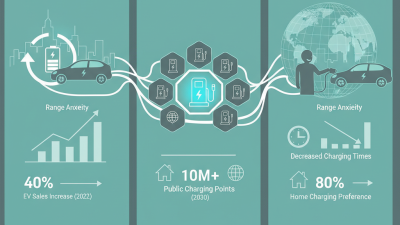
In the evolving landscape of electric vehicle (EV) infrastructure, Smart Charging Piles are becoming essential. According to the International Energy Agency, the global stock of electric vehicles reached 10 million in 2020, reflecting a 43% increase from the previous year. As the number of EVs continues to rise, so does the demand for efficient charging solutions, making Smart Charging Piles a critical component for future readiness.
Experts like Dr. Emily Robinson, a leading researcher at the Electric Power Research Institute, emphasize the significance of these charging solutions. She states, "Smart Charging Piles enable better energy management and enhance grid stability.” This technology not only offers rapid charging times but also provides real-time data analytics, crucial for optimizing energy distribution.
Reliability is another key aspect. Many existing charging infrastructures face challenges in terms of service consistency and accessibility. Smart Charging Piles can mitigate these issues, although their deployment requires careful planning and investment. Small errors in installation or operation can lead to inefficiencies. Therefore, examining both the advantages and challenges is vital for stakeholders to make informed decisions on Smart Charging Piles as they shape the future of EV infrastructure.
The Importance of Smart Charging Piles in EV Infrastructure
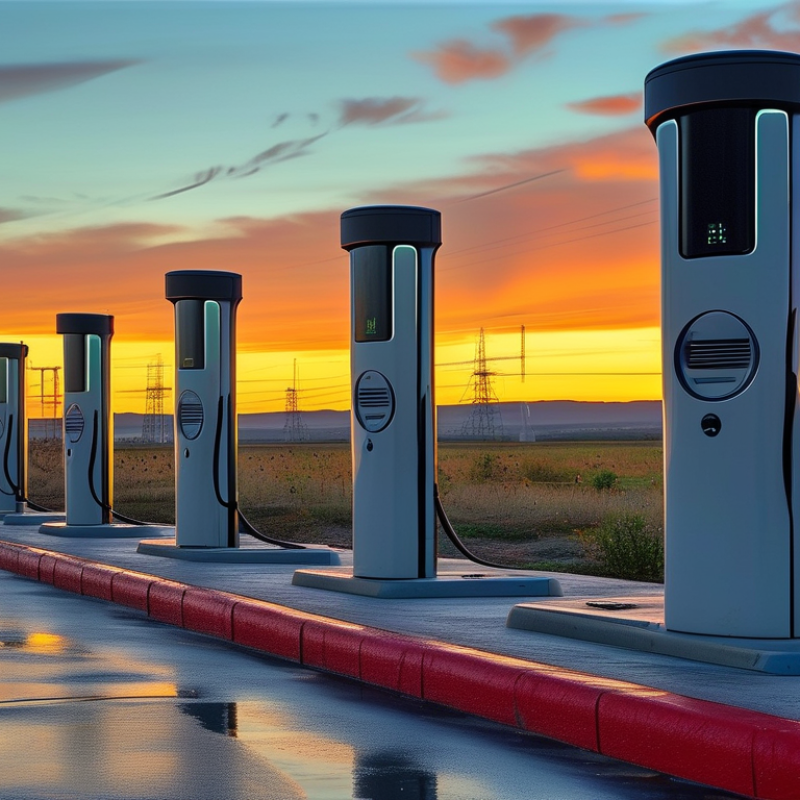
Smart charging piles are essential for the growing electric vehicle (EV) infrastructure. They are designed to optimize the energy consumption of charging stations. By integrating advanced technology, these piles can communicate with vehicles and the power grid. This interaction allows for better load management and efficient energy use.
The importance of smart charging piles lies in their ability to enhance user experience. They can adjust charging rates based on demand, helping to reduce electricity costs. Smart charging also facilitates renewable energy usage. When solar or wind energy is abundant, charging piles can prioritize this clean energy source. However, not all charging stations employ smart technology, leading to a lack of efficiency in some areas.
Investing in smart charging technology requires a thoughtful approach. While these systems offer numerous benefits, challenges like high initial costs and installation complexity arise. Stakeholders must weigh these factors carefully. The potential for slower adoption in less-populated regions raises questions about infrastructure equity. Each decision impacts the future of EV infrastructure significantly.
Key Benefits of Smart Charging Technology for EV Users
Smart charging technology offers numerous benefits for electric vehicle (EV) users, making it an attractive option for modern infrastructure. These charging piles can communicate with the grid, optimizing energy loads. This feature allows users to charge when electricity rates are lower, reducing costs significantly. Furthermore, real-time data sharing enhances users' charging experience, leading to more informed decisions about when and where to charge.
Another advantage of smart charging is its ability to enhance network stability. By adjusting charging rates based on grid demand, smart chargers help prevent overloads. This makes the whole system more reliable for users. However, the technology is not foolproof. Users may face connectivity issues or software glitches. These challenges require ongoing maintenance and user awareness.
Sustainability is a significant benefit of smart charging systems. By using renewable energy sources, they minimize the environmental impact of charging electric vehicles. Users can access green energy options, contributing to a cleaner planet. Yet, the transition to widespread use of smart charging piles isn’t seamless. Factors such as local regulations and infrastructure readiness can slow down adoption. Addressing these concerns will be vital for the future of EV charging technology.
Comparison of Smart Charging Piles vs. Traditional Charging Solutions
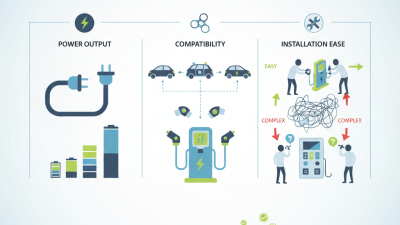
Choosing between smart charging piles and traditional charging solutions can be challenging. Smart charging piles offer numerous advantages. They provide real-time data to optimize energy usage. This capability helps users reduce their electricity bills. In contrast, traditional solutions lack such efficiency. Users often face higher costs and longer wait times during peak hours.
Smart charging piles utilize advanced technology for grid interaction. They can adjust charging rates based on demand. This feature ensures stable energy supply without overloads. Traditional charging stations may cause grid strain during high usage. Additionally, smart chargers support various energy sources, including renewable energy. Traditional options typically rely on non-renewable resources, limiting sustainability.
While smart charging piles have clear benefits, they also come with challenges. Initial installation costs can be higher than traditional systems. Users might find the technology complex. Regular maintenance is essential for optimal function. Understanding these trade-offs is crucial for informed decision-making. Evaluating your infrastructure needs will guide you toward the right choice.
Why Choose Smart Charging Piles for Your EV Infrastructure? - Comparison of Smart Charging Piles vs. Traditional Charging Solutions
| Feature |
Smart Charging Piles |
Traditional Charging Solutions |
| Charging Speed |
Ultra-fast charging (up to 350 kW) |
Standard charging (up to 22 kW) |
| Energy Management |
Dynamic energy distribution, load balancing |
Fixed energy output |
| User Interface |
Mobile app integration, user-friendly |
Basic interface, limited features |
| Cost Efficiency |
Higher ROI with lower operational costs |
Higher long-term energy costs |
| Integration with Renewable Energy |
Supports solar and wind energy integration |
Limited capabilities for renewable integration |
| Grid Impact |
Reduces strain on the grid with smart scheduling |
Can increase demand during peak hours |
How Smart Charging Piles Enhance Grid Efficiency and Sustainability
Smart charging piles play a crucial role in enhancing grid efficiency and sustainability. According to the International Energy Agency (IEA), electric vehicle (EV) adoption is expected to grow to 145 million by 2030. This surge demands efficient charging solutions that can adapt to fluctuating energy needs. Smart charging piles help balance electricity supply and demand by optimizing charging times and rates based on grid conditions.
These systems can reduce peak load on the grid, minimizing the need for expensive infrastructure upgrades. A study by the Rocky Mountain Institute highlights that smart charging can lower overall grid costs by 10 to 20 percent. Such efficiencies translate to cost savings for consumers and utilities alike. Furthermore, they enable the integration of renewable energy sources. When solar or wind energy is abundant, smart charging piles can utilize this energy, fostering a sustainable energy ecosystem.
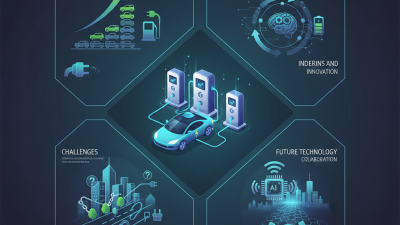
Yet, challenges exist. Not all regions have the infrastructure to support these advanced systems. Consumer awareness and acceptance remain barriers. Overcoming these hurdles requires collaboration among governments, utilities, and technology providers. Continued investment in research and development is vital to improve the reliability of smart charging technology. The journey towards a sustainable EV infrastructure is complex, but smart charging piles are a step in the right direction.
Smart Charging Piles Impact on Grid Efficiency and Sustainability
Future Trends in Smart Charging Pile Development and Adoption
The future of smart charging piles is promising. Industry analysts predict that the global electric vehicle (EV) charging infrastructure market will reach $144 billion by 2030. Smart charging technology will play a critical role in this growth. As EV adoption accelerates, the demand for efficient and flexible charging solutions will increase. Smart charging piles enable better load management and optimize energy usage. They can also support renewable energy sources.
Recent reports indicate that nearly 40% of charging stations will incorporate smart technology by the end of this decade. This shift will empower users with data, enhancing their charging experiences. Also, smart charging can facilitate vehicle-to-grid (V2G) systems. These systems allow EVs to sell excess energy back to the grid. However, the integration of these technologies requires careful planning. Without addressing cybersecurity and interoperability issues, the system's reliability may suffer.
Adoption rates vary by region. Some areas see rapid deployment, while others lag behind. This disparity highlights the need for better infrastructure and policy support. Stakeholders must collaborate to address these challenges. Despite the obstacles, the overall trend leans toward smarter, more connected charging solutions. It's a journey with many lessons to learn, and each step shapes the future of EV charging.