Top Tips for Optimizing New Energy Vehicle Charging Stations?
As the world transitions towards sustainable transportation, New Energy Vehicle Charging Stations play a crucial role. These stations are essential for supporting the growing demand for electric vehicles. Optimizing their operation is not just about efficiency; it also impacts user experience and environmental benefits.
Well-designed charging stations can significantly reduce waiting times and increase accessibility. However, many operators face challenges like location selection and charging speed. It's essential to consider factors such as power availability, user convenience, and technology integration. These elements can enhance the functionality of New Energy Vehicle Charging Stations.
In this rapidly evolving landscape, there is much to learn. Knowledge of user preferences and behavior is vital. Awareness of current technology trends in charging can improve station optimization. While many strategies exist, they may not fit every scenario. Adapting to local needs and conducting frequent assessments can lead to improvements.
Key Factors Influencing the Location of Charging Stations
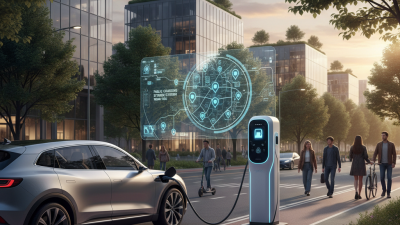
The strategic placement of new energy vehicle charging stations plays a crucial role in enhancing user experience. Accessibility is a primary factor. Stations should be located near high-traffic areas such as shopping centers and major highways. This encourages drivers to use the infrastructure regularly. Visibility also matters. A charging station tucked away in an obscure alley may miss potential users. Clear signage and lighting can significantly improve accessibility.
Another important aspect is the availability of amenities. Charging locations that offer food, restrooms, or entertainment options keep drivers engaged while waiting. This makes charging a more pleasant experience. Furthermore, data analytics show that areas with high electric vehicle ownership can benefit from more charging stations. Understanding regional demographics and travel patterns helps in making informed decisions about station placement.
While these factors are important, the process isn't flawless. There may be competition for space in urban areas leading to overcrowding. Additionally, local regulations can complicate installation efforts. Engaging with community stakeholders can mitigate pushback. Still, continuous assessment is needed to adapt to evolving technology and user needs. Balancing these elements improves charging station effectiveness.
Essential Technologies for Efficient Charging Solutions
The efficiency of new energy vehicle charging stations largely depends on the technologies used. Advanced charging solutions are needed to manage higher power levels while ensuring safety and reliability. Ultra-fast charging technology is particularly noteworthy, allowing vehicles to charge within minutes. This significantly reduces downtime for drivers.
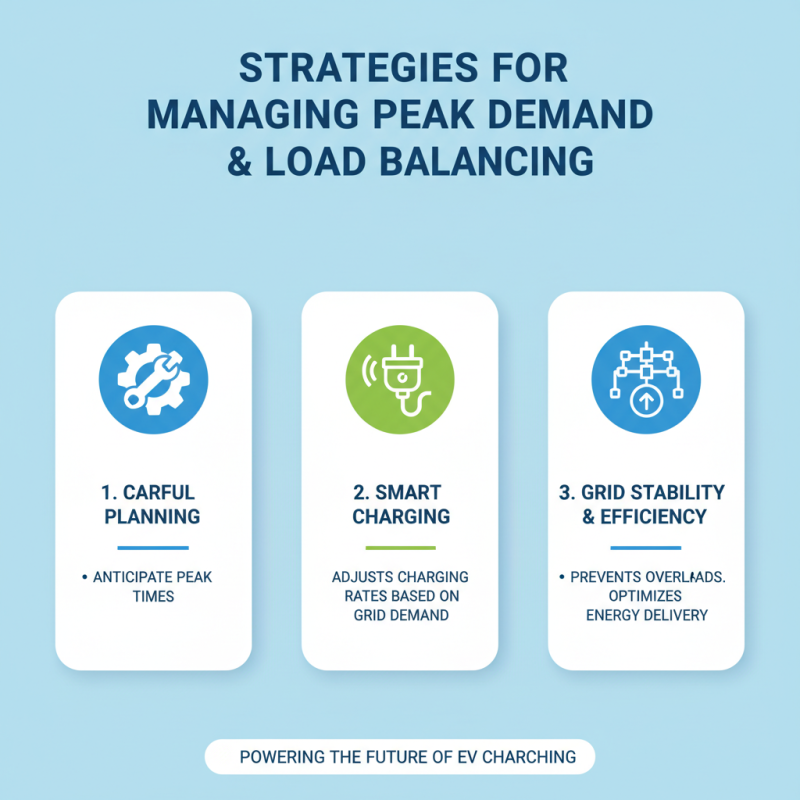
Wireless charging systems are another promising innovation. They offer convenience by eliminating cables and connectors. However, this technology is still developing and may face adoption challenges. Current efforts focus on increasing charging efficiency and reducing costs. Meanwhile, smart grid integration remains crucial. It allows for real-time energy management, optimizing the load and enhancing the user experience.
Efficient charging solutions should also include energy storage systems. These can store excess energy during off-peak hours, making charging more sustainable. Yet, integrating these systems with existing infrastructure requires careful planning and investment. As charging infrastructure evolves, continuous improvement is essential to meet growing demands. The future hinges on adaptability and innovation in these key areas.
User Experience Enhancements for EV Charging Stations
Enhancing user experience at electric vehicle (EV) charging stations is crucial for widespread adoption. A seamless process can make a significant difference. User-friendly interfaces can guide drivers through charging options. Clear instructions on payment and charging duration enhance usability. Real-time updates on charging status foster trust and transparency.
Moreover, amenities play a vital role. Charging stations near coffee shops or lounges can reduce waiting time frustration. Engaging outdoor spaces might create a pleasant atmosphere while users wait. It's important to consider the location and convenience of these stations. If users find them hard to locate, their experience suffers.
Nevertheless, there are areas for improvement. Some stations may lack sufficient lighting or security features. This can deter users, especially at night. Ongoing feedback from users is essential. It can highlight shortcomings and inspire innovative solutions. Optimizing user experience is a continuous journey, requiring diligence and commitment.
Integration of Renewable Energy Sources in Charging Infrastructure
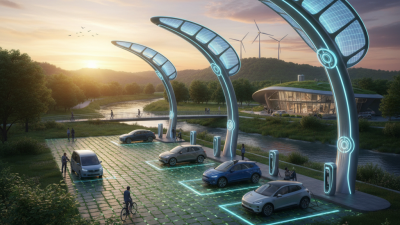
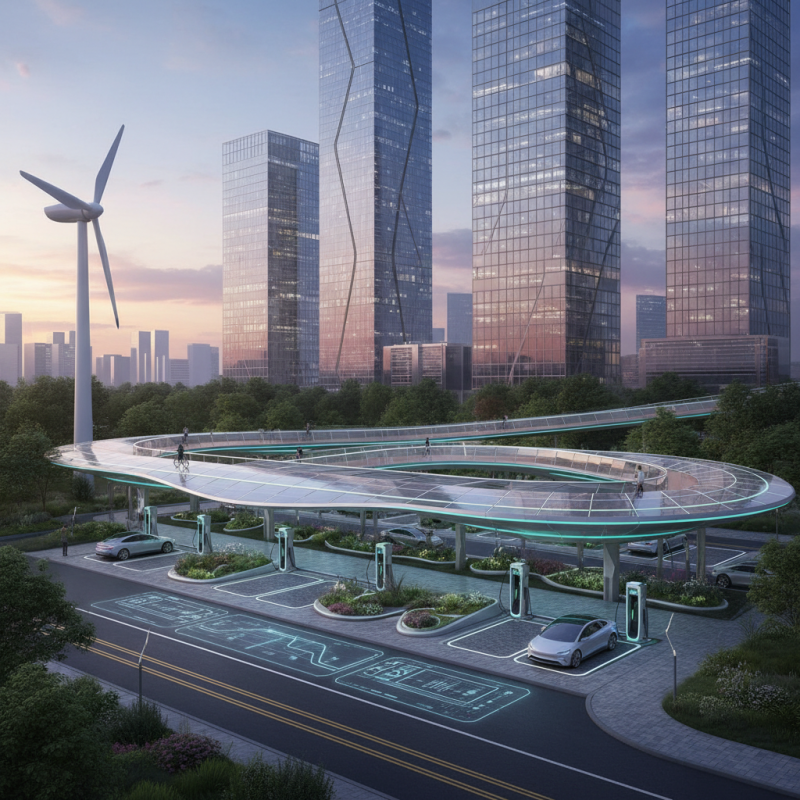
Integrating renewable energy sources into charging infrastructure can significantly enhance the effectiveness of new energy vehicle charging stations. Solar panels and wind turbines are popular options. They can provide clean energy directly to the grid. This can reduce dependency on fossil fuels. It may also lower operational costs in the long run.
However, the implementation is not without challenges. Initial setup costs can be high. Space for solar panels or wind turbines may be limited. Weather variability can affect energy availability. Adopting a hybrid system, combining traditional power sources with renewables, can be a practical solution. This ensures a stable energy supply, even on less sunny or windy days.
Community involvement is essential for success. Educating the public on benefits can drive acceptance. Collaborating with local governments can also help navigate policies. Making renewable energy a focal point of charging stations can foster a sense of ownership in the community. It is crucial to remain flexible and adapt to technology advances in renewable energy. Continuous assessment and refinement of strategies are necessary for sustainable growth.