Top Electric Vehicle Charging Stations for Convenient Charging Options?
The transition to electric vehicles (EVs) is accelerating globally. According to a report by the International Energy Agency (IEA), over 10 million electric cars were sold in 2022. This trend highlights the increasing need for accessible EV charging stations. With more EVs on the road, efficient charging solutions are critical for usability.
EV charging stations are pivotal to this infrastructure. As cities expand their electrified transport systems, the demand for charging facilities grows. Research indicates that by 2030, the number of public charging points must quadruple to keep pace with EV adoption. Today, many drivers still experience range anxiety. They often find it challenging to locate reliable charging options during their travels.
Yet, the charging landscape is evolving. Some regions boast more advanced networks than others. Cities with robust charging stations see higher EV adoption rates compared to those with fewer options. There remains a clear need for improvements and strategic planning in deployment. Optimizing the charging experience will enhance convenience and spur further growth in the electric vehicle market.
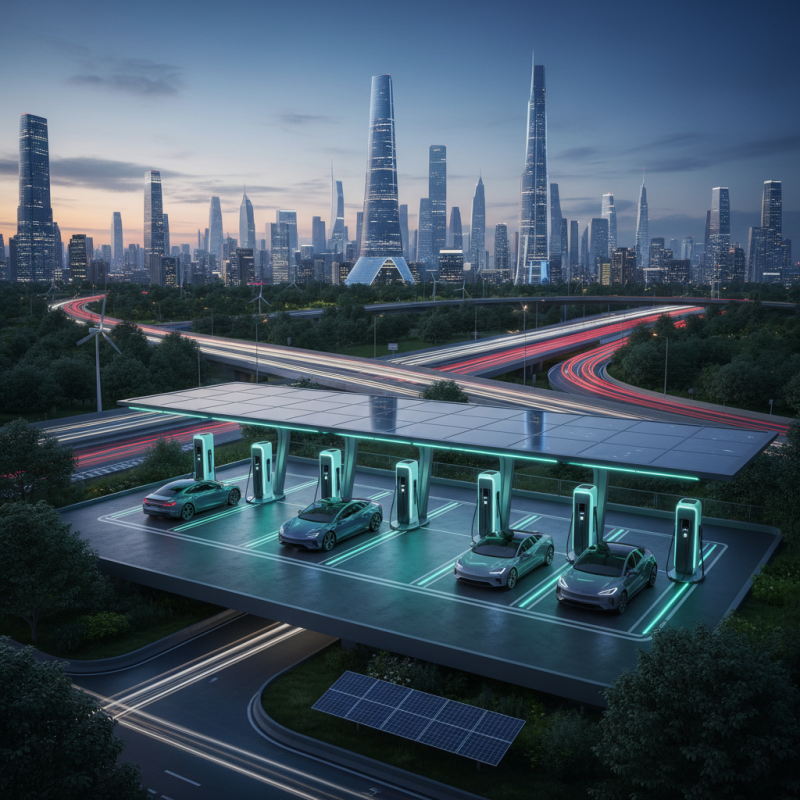
Overview of Electric Vehicle Charging Stations
Electric vehicle (EV) charging stations are essential for the growing number of electric cars on the road. With the increase in EV adoption, charging infrastructure must expand. Many stations offer various charging speeds and options. Some stations provide fast charging, allowing drivers to recharge their vehicles in under an hour. Other locations might have slower options, suitable for longer stops.
It's essential to consider convenience when choosing a charging station. Locations near shopping centers and restaurants are ideal. Drivers can make the most of their time while waiting for their vehicle to charge. However, not all stations are well-maintained. Some may lack working chargers or sufficient space for vehicles.
Yet, the experience of charging can be improved. Signage and navigation apps often lead to confusion over station availability. Drivers sometimes find themselves waiting or searching for alternative locations. Addressing these issues is crucial for enhancing the EV charging experience. Better communication about station status can greatly benefit users. As the network grows, continuous evaluation and improvement are necessary.
Types of Charging Stations Available for EVs
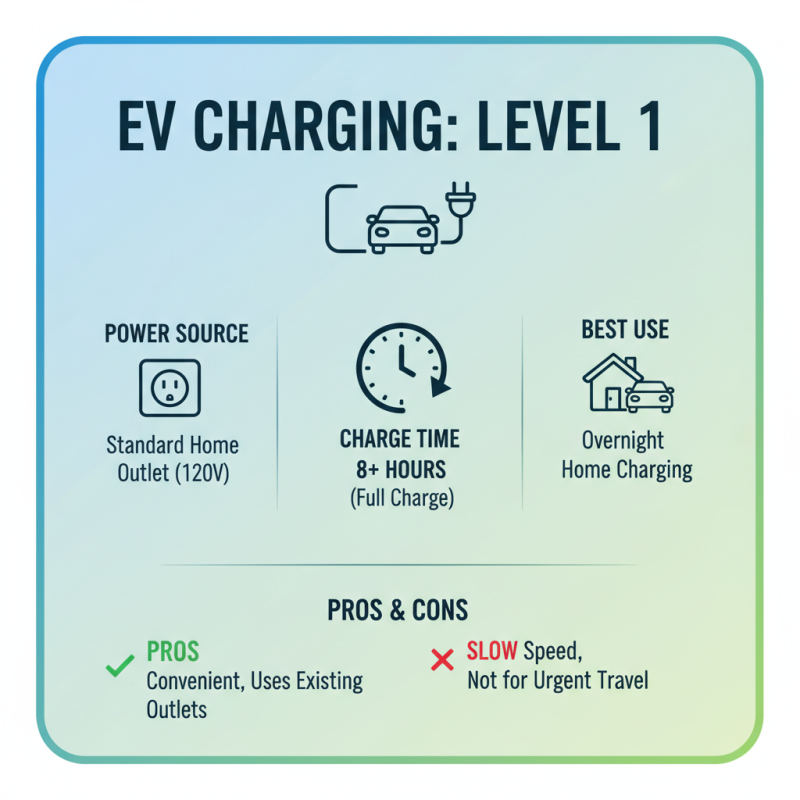
When it comes to electric vehicle (EV) charging, several types of stations cater to diverse needs. Level 1 charging stations use standard home outlets. They are the slowest option, taking up to eight hours for a full charge. This method is suitable for overnight charging at home. Many users find it convenient, yet it lacks speed during urgent travel.
Level 2 charging stations provide faster charging and are ideal for public locations. These stations can replenish batteries in about four to six hours. You can find them in shopping centers and office buildings. However, the availability of these stations can sometimes be limited in certain areas. Charging can take longer than anticipated due to high demand, leaving users waiting.
Fast charging stations, or DC fast chargers, offer rapid options for drivers on the go. These can charge an EV in about 30 minutes. It sounds great, but not all EVs are compatible with these chargers. Additionally, they are typically located along highways. This can be inconvenient if you do not plan your route carefully. Balancing convenience and efficiency in charging choices remains an ongoing challenge for EV users.
Key Features to Consider When Choosing Charging Stations
When selecting an electric vehicle (EV) charging station, several key features are essential. Location is crucial. You want convenience, so look for stations near shopping areas or workplaces. Accessibility is just as important. Ensure the charging station is easily reachable, especially during peak hours.
Another vital feature is charging speed. Different stations offer varying levels of power. Fast chargers significantly reduce wait times. Standard chargers are reliable but can take longer. Assess your charging needs based on your driving habits. Quick options may suit longer trips, while slower stations can work for daily commutes.
Consider the payment method as well. Some stations require memberships, while others accept various payment options. Tips: Always have a backup plan. Not all stations will be available when needed. Download apps that show station availability. This way, you'll avoid frustration and ensure a smoother charging experience. Remember, not every station will be perfect, and waiting times can be an issue. Stay patient and flexible as the EV landscape continues to grow.
Top Electric Vehicle Charging Networks and Their Coverage
When considering electric vehicle charging networks, coverage is a key aspect. Various charge point operators spread across urban and rural locations significantly affect convenience. Some networks cover major highways and cities well. Others might leave remote areas underserved. When planning travels, it is essential to be aware of where charging stations are located.
Many charging networks offer different speeds. Fast chargers provide quicker fill-ups, ideal for long trips. However, not all stations feature such speed. Users often face the challenge of slow chargers in less populated areas. It can lead to frustrating delays. Sometimes, drivers may arrive at a station only to find it occupied or malfunctioning.
Moreover, some apps help locate nearby charging stations. These tools improve the user experience. However, they are not perfect. Some stations may not be updated in real-time. Users may encounter closed or unavailable stations without warning. This inconsistency can create unnecessary stress. Being prepared and exploring multiple networks can enhance the overall charging experience.
Future Trends in Electric Vehicle Charging Infrastructure
The future of electric vehicle (EV) charging infrastructure holds exciting possibilities. As more drivers embrace EVs, charging stations will need to expand. We might see ultra-fast chargers that can power a vehicle in just minutes. This technology still has room for improvement. How reliable will these rapid chargers be during heavy usage?
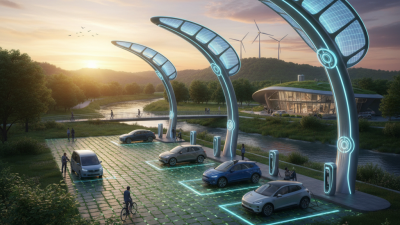
Another potential trend is the integration of renewable energy sources at charging stations. Solar panels could power locations during the day. However, energy storage solutions must also evolve to store excess energy. What happens when the sun isn’t shining? This could create challenges in energy management.
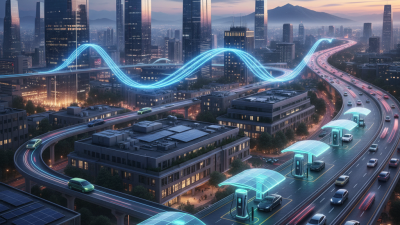
Additionally, smart charging technology will play a key role. Stations could connect to mobile apps, offering real-time availability data. Drivers would benefit from direct navigation to the nearest open charger. Still, there may be issues with app functionality. Connectivity problems could frustrate users when they need charging the most. The journey toward a robust EV charging infrastructure is complex. It requires constant adaptation and foresight.
Top Electric Vehicle Charging Stations - Charging Speed Comparison