Top EV Car Charger Options for 2026 What to Consider?
As electric vehicles (EVs) gain traction, the demand for efficient and reliable EV car chargers is on the rise. With projections for 2026 indicating a significant increase in EV adoption, exploring the top EV car charger options becomes essential. The landscape of EV chargers is evolving, influenced by advancements in technology and changing consumer needs.
When selecting an EV car charger, several factors come into play. Consider the charger’s compatibility with your EV model, charging speed, and installation requirements. Fast charging stations can notably shorten your waiting time, enhancing your overall driving experience. Additionally, reliability is crucial. A dependable EV car charger can ease the transition to electric driving.
However, challenges remain. Not all chargers provide the same level of efficiency or user experience. Some may not meet the latest safety standards or offer adequate customer support. Recognizing these pitfalls is key to making a wise choice. The right EV car charger can significantly influence your EV experience, making informed decisions imperative for a sustainable future.
Top EV Car Charger Types Available in 2026
As the electric vehicle (EV) market continues to expand, understanding the types of chargers available in 2026 is essential for consumers. Home charging stations, particularly Level 2 chargers, become increasingly popular. These installations can deliver up to 25 miles of range per hour. For many, this option promotes convenience and accessibility.
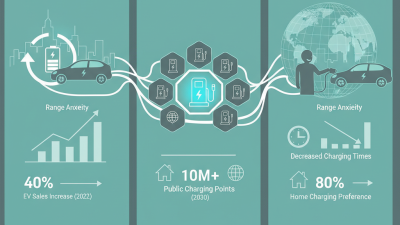
Fast chargers also play a critical role. DC fast chargers can provide an 80% charge in just 30 minutes. According to industry reports, the number of fast charging stations is expected to grow by 70% globally by 2026. Urban environments will benefit from these installations, reducing range anxiety among EV users. However, the uneven distribution of charging infrastructure may still pose a challenge.
Furthermore, wireless charging is gaining traction. Although still in development, this technology offers promise for seamless charging experiences. Reports indicate that public interest in wireless options is on the rise, but adoption lags behind other methods. In summary, while options are diversifying, consumers must remain aware of regional availability and personal charging needs.
Key Features to Look for in EV Chargers
When choosing an EV charger, consider the charging speed. Level 2 chargers deliver between 3.7 kW and 22 kW. This range allows for faster charging at home. Reports indicate that a 22 kW charger can fully charge an EV in just a few hours. This speed significantly reduces downtime compared to Level 1 chargers, which can take much longer.
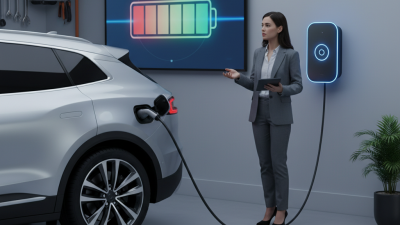
Compatibility is another critical aspect. Check whether the charger supports various EV models and battery types. Studies show that chargers with broader compatibility tend to be more widely utilized. Furthermore, look for smart features. Smart chargers allow for scheduling and remote control via mobile apps. These functionalities enhance user convenience and management of charging costs.
Safety cannot be overlooked. Select chargers with safety certifications to ensure reliable operation. Faulty chargers can pose risks, including electrical fires. Approximately 5% of residential EV charger installations encounter safety issues. Thus, verifying safety standards is essential. While many chargers claim to be efficient and safe, conducting thorough research is vital to avoid potential hazards.
Top EV Car Charger Options for 2026 - Key Features to Look for in EV Chargers
| Charger Type |
Charging Speed (kW) |
Connector Type |
Smart Features |
Weather Resistance |
Price Range (USD) |
| Level 1 Charger |
1.4 - 1.9 |
NEMA 5-15 |
Basic Timer |
Indoor Use |
300 - 600 |
| Level 2 Charger |
3.7 - 22 |
J1772 |
Smartphone App Integration |
Weather Resistant |
500 - 1,500 |
| DC Fast Charger |
50 - 350 |
CHAdeMO, CCS |
Remote Monitoring |
Highly Weather Resistant |
15,000 - 40,000 |
| Wireless Charger |
3.6 - 7.2 |
N/A |
Home Automation |
Indoor/Outdoor |
2,000 - 5,000 |
Factors Affecting EV Charger Installation and Costs
When considering EV charger installation, several crucial factors come into play. The location of the charger is paramount. Homeowners should assess their garage or parking area to determine the best position for accessibility and convenience. The distance from the electrical panel to the charger also affects installation costs. Longer distances may require additional wiring and labor, increasing expenses.
Electrical capacity is another significant consideration. Not all homes can support high-capacity chargers without upgrades. An electrician can evaluate the current system to ensure it meets the requirements. This assessment can prevent unexpected costs later. Selecting the right charger type, whether Level 1 or Level 2, impacts not only installation but also usability.
**Tips**: Always factor in potential future needs. Plan for more than one EV if possible. Consult with professionals to conduct a thorough site evaluation. This approach helps identify hidden costs or limitations. Adapting your home’s infrastructure can lead to more efficient charging and save on energy costs. The right decisions today could enhance convenience tomorrow.
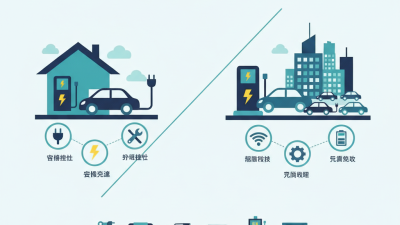
Comparison of Home vs. Public Charging Solutions
As electric vehicles (EVs) become commonplace, choosing the right charging strategy is essential. Two main options emerge: home charging and public charging solutions. Each serves unique consumer needs and presents distinct advantages and drawbacks.
Home charging provides convenience. Reports show that approximately 80% of EV owners charge at home overnight. This allows for a full battery in the morning. However, not everyone has access to a dedicated charging outlet. Some urban residents face challenges with installation. The average cost of a Level 2 home charging station can range from $500 to $2,000, inclusive of installation. This investment can be daunting for renters or those living in apartments.
Public charging stations fill the gap for those without home access. However, availability varies by region. According to the U.S. Department of Energy, there are about 50,000 public charging stations across the nation. While this number is growing, wait times can be unpredictable. Charging speed also varies; Level 3 chargers can deliver up to 80% charge in 30 minutes, but often, users find themselves waiting. This highlights the need for infrastructure improvement to ensure a seamless EV experience. Balancing these two options is crucial as the EV market evolves.
Top EV Car Charger Options for 2026: Home vs. Public Charging Solutions
Future Trends in EV Charging Technology and Infrastructure
As the demand for electric vehicles (EVs) continues to rise, innovations in charging technology and infrastructure are crucial. New advancements in fast-charging solutions are making it possible to reduce charging times considerably. Current technology struggles with peak energy access, often leading to longer waits for drivers. Manufacturers are exploring ultra-fast charging systems, which could provide a full charge in under 10 minutes.
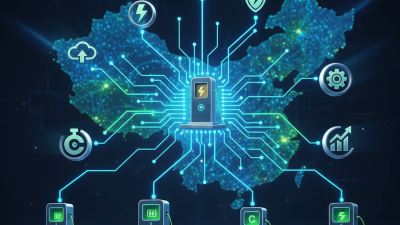
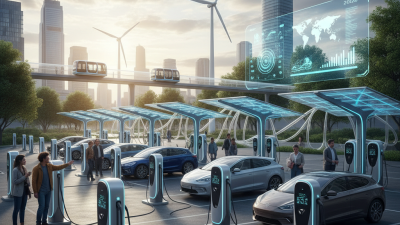
Moreover, charging station networks are evolving. They are increasingly focusing on accessibility and integration with renewable energy sources. Many areas still lack adequate charging infrastructure. This gap creates a challenge for widespread EV adoption. Charging stations need to be strategically placed, especially in urban settings where real estate is limited.
Battery recycling and sustainability are also coming to the forefront. Efficient recycling processes for EV batteries can reduce waste and environmental impact. It is crucial to think critically about these technologies. Are they truly sustainable? As charging technologies develop, we must evaluate their long-term effectiveness and accessibility. Every step in this journey raises complex questions that require thoughtful consideration.