Top 10 EV Charger Options for Electric Vehicle Owners in 2026?
As the electric vehicle (EV) market accelerates, the importance of selecting the right EV charger cannot be overstated. By 2026, sales of EVs are projected to reach 30 million units globally, according to a recent report by the International Energy Agency. This surge requires efficient and accessible charging solutions for drivers. EV chargers will play a crucial role in supporting this growth.
With various types of chargers available, electric vehicle owners face a challenging decision. Options range from level 1 home chargers to fast-charging stations. Each type serves different needs and scenarios. For instance, home chargers typically offer convenience, but may lack the speed of public options. A recent survey indicated that 55% of EV owners prefer home charging, yet they often face range anxiety during long trips.
The technology surrounding EV chargers is rapidly evolving. Newer models boast enhanced features, such as smart charging and integration with renewable energy sources. However, not all chargers deliver the expected performance. Many users report slow charging times and compatibility issues. These aspects warrant careful consideration as we look to the future of EV ownership and infrastructure development.
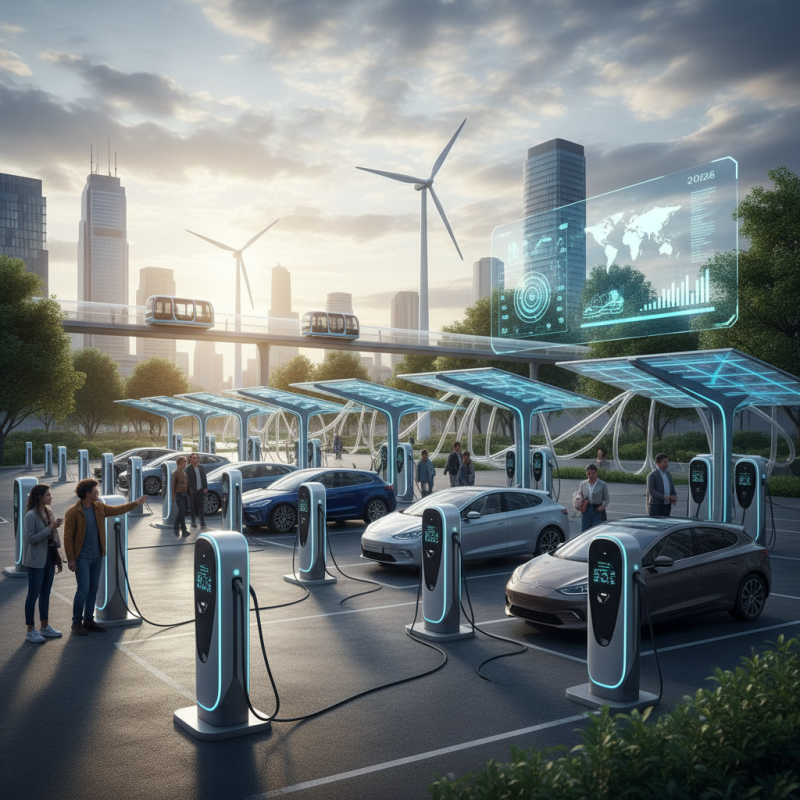
Top Characteristics of EV Chargers for 2026: What to Look For
When considering EV chargers for 2026, owners should focus on key characteristics that enhance efficiency and usability. Reports indicate that demand for home charging solutions will increase by 40% over the next three years. So, features like smart connectivity are crucial. Chargers with Wi-Fi capabilities allow users to monitor charging status through mobile apps. This convenience saves time and energy.
Compatibility is another vital characteristic. As different EV models flood the market, universal compatibility ensures that chargers can connect with various vehicles without hassle. Research suggests that 70% of EV owners prefer a charger that works with multiple car brands. Additionally, charging speed plays a critical role. Level 2 chargers are expected to dominate due to their balance of speed and cost, providing up to 25 miles of range per hour.
Lastly, safety features cannot be overlooked. The increase in EV adoption correlates with a 30% rise in charging-related incidents. Robust safety mechanisms protect users and their vehicles. Homeowners must remain vigilant when selecting charging options. The future of EV charging extends beyond just convenience; it embodies safety, efficiency, and adaptability.
Understanding Level 1, Level 2, and DC Fast Charging Options
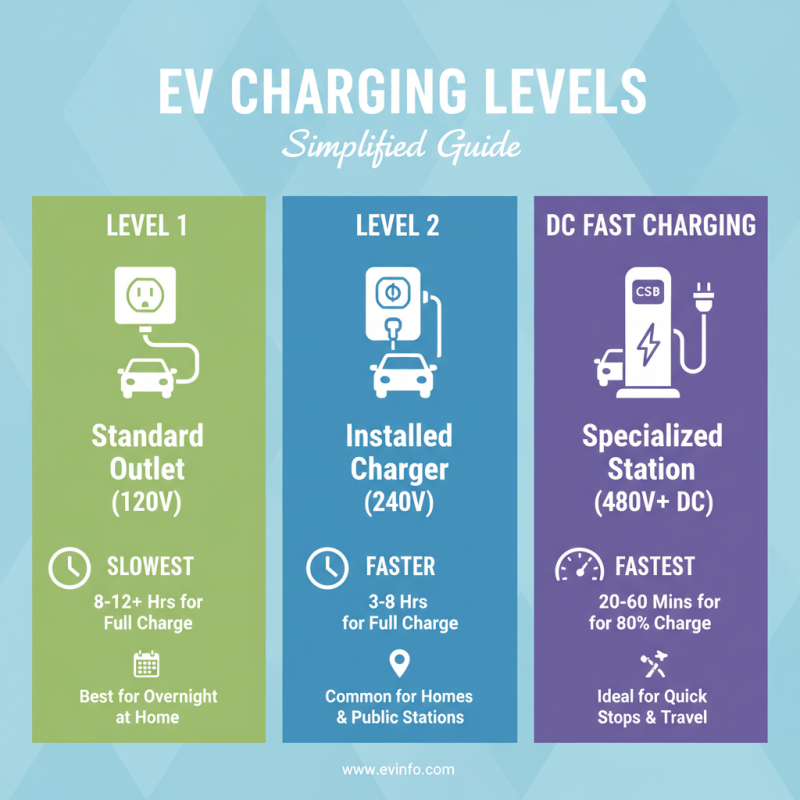
Electric vehicle (EV) owners have various charging options. Understanding Level 1, Level 2, and DC Fast Charging is essential for efficient use. Level 1 charging is the most basic option. It uses a standard household outlet. Charging takes a long time, often overnight. This method suits drivers with plenty of time at home. However, it may not be practical for those with a busy schedule.
Level 2 charging offers a faster solution. These chargers are common in public spaces. They provide 240 volts and can charge an EV in a few hours. Many homeowners install Level 2 chargers. It enhances convenience significantly. Yet, installation costs can be high. Some may hesitate due to the initial investment.
DC Fast Charging is the quickest option available. It is ideal for road trips and urgent charging needs. These chargers can recharge an EV up to 80% in about 30 minutes. However, they are less common and can be expensive to use. Accessibility can also be a concern. EV owners must plan their routes carefully. Each charging level has its pros and cons. Understanding them can aid in making informed choices.
Comparative Analysis of Charger Costs: Installation and Maintenance
The cost of installing an EV charger can vary widely. Factors include charger type, installation location, and local labor rates. On average, installation costs can range from a few hundred to several thousand dollars. Permits might be needed, adding to the overall cost. Maintenance is another essential aspect to consider. Regular check-ups can help avoid costly repairs.
Tips: Always research local electrician rates. Installation costs can be lower in some areas.
Homeowners often forget to factor in electrical upgrades. Demand for power can exceed existing capacity. Upgrading electrical panels can add thousands to the expense. It's also wise to think about future needs. A charger compatible with various vehicle types can save money down the line.
Tips: Consider future EV models when choosing a charger. Flexibility can lead to savings later. Assessing your energy needs will prevent surprises.
Top 10 EV Charger Options for Electric Vehicle Owners in 2026
Smart Charging Technology: Benefits and Trends for EV Owners in 2026
Smart charging technology is revolutionizing the way electric vehicle owners manage their charging needs. Many new features make it more convenient and efficient. Real-time monitoring lets you track your energy usage. This transparency helps in understanding charging costs better.
Tips: Consider using an app that tracks your charging habits. This can lead to smarter decisions.
In 2026, integration with renewable energy sources will likely be a game changer. Home solar panels will allow EV owners to charge during the day, saving costs. It can be a bit complex to set up initially. However, the potential savings are substantial.
Tips: Research local incentives for renewable energy installations. They may ease the financial burden.
Smart charging also enhances user convenience. For example, you can schedule charging during off-peak hours. This reduces strain on the grid, promoting a more stable energy environment. Still, make sure your charger is compatible with your vehicle. Not all chargers are created equal, and some might limit your options.
Top 10 EV Charger Options for Electric Vehicle Owners in 2026
| Charger Type |
Charging Speed (kW) |
Best For |
Installation Type |
Smart Features |
| Level 2 Home Charger |
7.2 kW |
Residential Use |
Hardwired |
Scheduling |
| DC Fast Charger |
50 kW - 350 kW |
Commercial Use |
Standalone |
Payment Integration |
| Portable EV Charger |
3.8 kW |
Traveling |
Plug-in |
Mobile App Control |
| Smart Wall Connector |
11.5 kW |
Home/Office |
Hardwired |
Wi-Fi Capable |
| Networked Charger |
22 kW |
Public Charging |
Standalone |
Remote Monitoring |
| Wireless EV Charger |
3.6 kW |
Home Use |
Floor-mounted |
Seamless Connection |
| Multi-vehicle Charger |
22 kW |
Fleet Use |
Standalone |
Load Balancing |
| Solar EV Charger |
Up to 6 kW |
Eco-Friendly |
Hardwired |
Solar Integration |
| Fleet Management Charger |
30 kW |
Business Fleets |
Standalone |
Usage Reports |
| Home Energy Management Charger |
11 kW |
Smart Homes |
Hardwired |
Energy Monitoring |
Innovative Charging Stations: Key Features and User Experiences in 2026
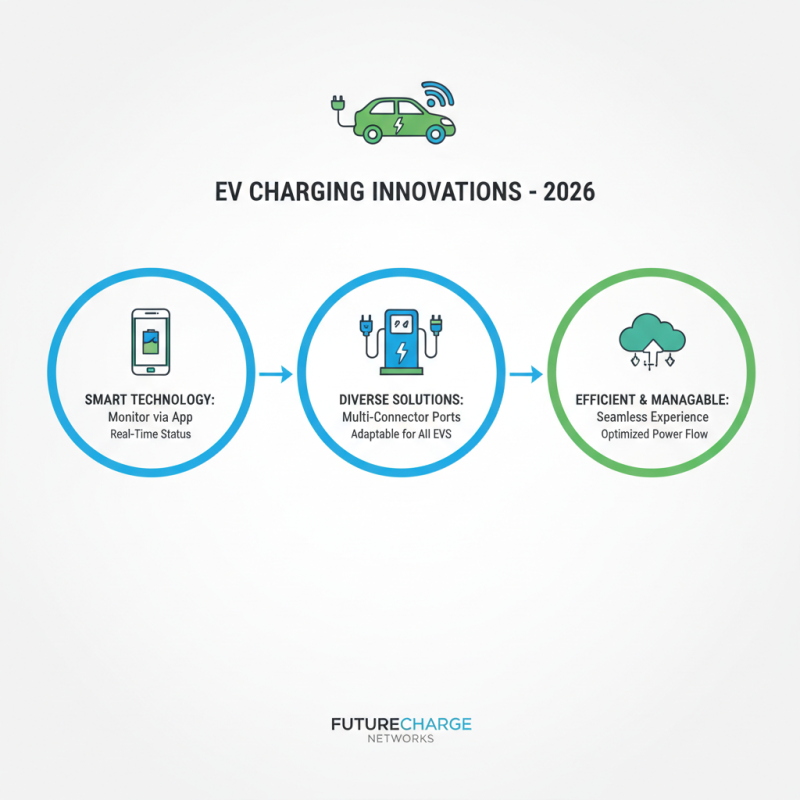
As electric vehicles (EVs) gain popularity, the demand for efficient charging solutions rises. Innovative charging stations in 2026 offer diverse features that enhance user experiences. Many stations now have smart technology. This allows users to monitor their charging status via apps. Real-time data makes charging more manageable.
Tips: Always check charging station compatibility. Different EVs have unique needs. Knowing your vehicle's requirements can save time. Some stations still lack user-friendly interfaces. This can lead to confusion for new users. A simple guide would help significantly.
Charging speeds vary greatly. Some stations provide ultra-fast charging, while others are slower but more accessible. Users often find themselves frustrated when fast chargers are busy or malfunctioning. Patience is essential, but planning ahead can ease the stress. Selecting convenient locations and optimal times to charge is a smart move.
Tips: Consider charging stations near cafes or shops. This way, you can multitask during charging. Also, check station reviews before visiting. User feedback highlights real issues and possible improvements for potential customers. Such insights can inform better future choices for your electric vehicle charging needs.