Top Ev Charging Pile Options for Efficient Electric Vehicle Charging Solutions?
Electric vehicles (EVs) are rapidly gaining popularity. With this surge comes the need for efficient charging solutions. One crucial component in this landscape is the EV charging pile. These charging stations play a vital role in ensuring that EVs can recharge quickly and conveniently.
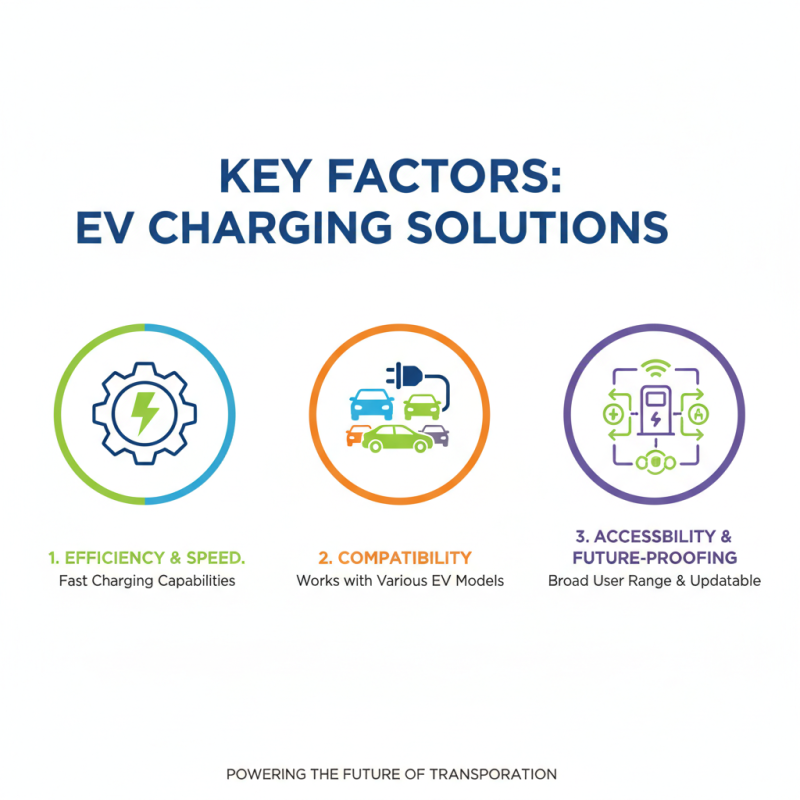
Choosing the right EV charging pile can be overwhelming. There are numerous options available, each with unique features and capabilities. The efficiency of these piles can significantly impact the overall charging experience. Some models offer rapid charging, while others focus on sustainability. Understanding these differences is key.
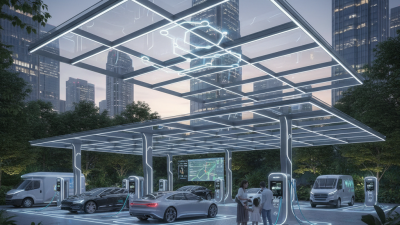
As the market continues to expand, it is essential to consider not only the technology but also the location and installation of charging piles. Proper placement can boost accessibility. Reflecting on personal usage habits can also guide your choice. Investing in the right EV charging pile is not just about the purchase; it’s about integrating solutions into everyday life sustainably.
Overview of Electric Vehicle Charging Piles
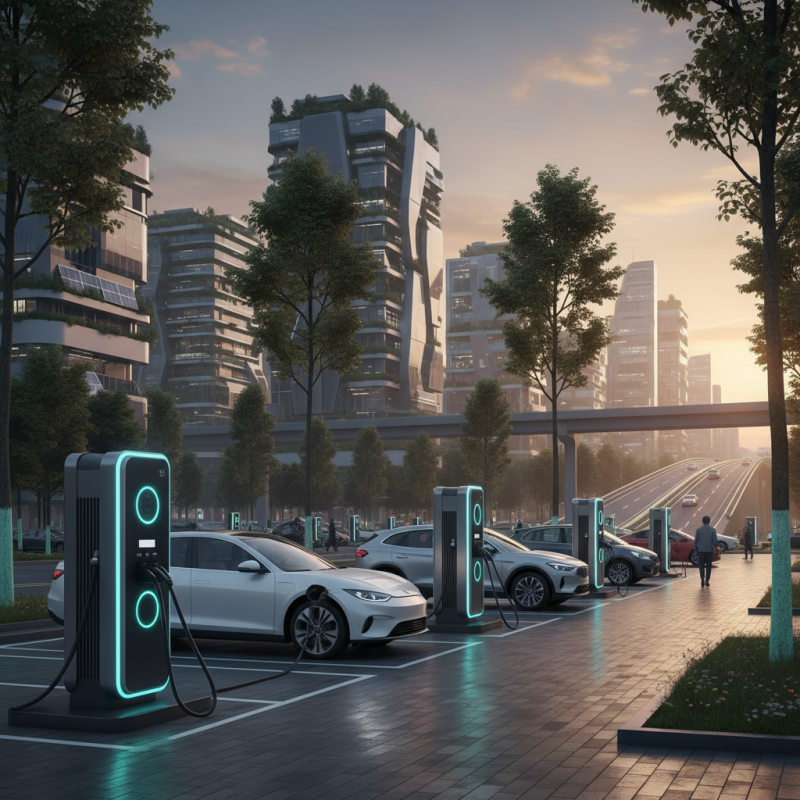
Electric vehicle (EV) charging piles are crucial for supporting the growing number of electric cars. The global EV charging infrastructure market is expected to reach $140 billion by 2030, according to a recent industry report. This rapid growth highlights the importance of efficient charging solutions. Charging piles come in various types, including Level 1, Level 2, and DC fast chargers, which cater to different user needs. Level 2 chargers are widely used in residential areas, providing a balance of speed and convenience.
Tips for selecting the right charging pile include assessing installation requirements and power capacity. Ensure that the charging solution aligns with local grid capabilities. Many cities now incorporate smart grid technology, allowing for real-time monitoring and adjustments. This technology can optimize charging schedules during off-peak hours, thus reducing electricity costs. Choosing a charger with advanced features can enhance user experience.
Charging pile reliability is essential for user satisfaction. Industry studies suggest that downtime can frustrate users and lead to reduced adoption of EVs. This is a reminder of the need for consistent maintenance and support. Engaging with local experts can provide insights into the best practices for keeping charging stations operational. The landscape of EV charging is evolving, and staying informed is key to making effective choices.
Types of EV Charging Piles and Their Features
When considering EV charging piles, there are several types to explore. Level 1 chargers are the most basic option. They use a standard home outlet. Charging can take a long time, often more than 12 hours for a full charge. This option is best for those with overnight parking and low daily mileage.
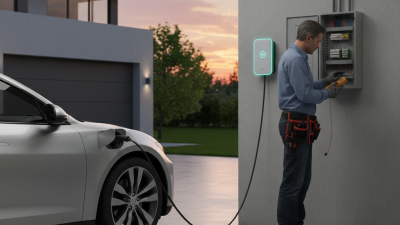
Level 2 chargers are more efficient and suitable for public places. They require a dedicated circuit but can deliver a full charge in just a few hours. This type is gaining popularity due to its faster charging capabilities. Many workplaces and shopping centers are now adopting these chargers.
DC fast chargers are the quickest option available. They can charge an EV to 80% in about 30 minutes. However, they are more expensive and typically found in specific locations, like highway rest stops. Accessibility can be an issue, and not all EVs are compatible. Understanding the different features of these charging piles is crucial for effective charging solutions.
Top EV Charging Pile Options for Efficient Electric Vehicle Charging Solutions
| Charging Type |
Power Output |
Charging Time |
Connector Type |
Features |
| AC Level 1 |
1.2 kW |
8-12 hours |
Type 1, Type 2 |
Home installation, cost-effective |
| AC Level 2 |
3.3 - 22 kW |
4-6 hours |
Type 1, Type 2 |
Faster charging, suitable for public and commercial use |
| DC Fast Charging |
50 - 350 kW |
30-60 minutes |
CHAdeMO, CCS, Tesla Supercharger |
High-speed charging, ideal for long-distance travel |
| Wireless Charging |
Up to 11 kW |
Varies |
N/A |
Convenient, no need to plug in |
Top Brands and Models of EV Charging Piles Reviewed
When exploring electric vehicle charging solutions, several top brands and models stand out. Each model offers distinct features tailored to meet different user needs. Reliable charging piles ensure that your vehicle is ready to go when you are. Efficient charging is not just about speed; it's also about user experience and accessibility.
One popular model combines compact design with high output. It fits easily into various environments, from home garages to public spaces. Another model boasts advanced smart technology, enhancing user convenience. Features include mobile app connectivity and user-friendly interfaces. However, some may struggle with installation in older buildings.
Consideration should be given to durability and warranty. These factors influence long-term usability. Some customers report challenges navigating customer support for technical issues. Availability of replacement parts is another area that merits attention. Investing in a charging solution involves weighing various pros and cons to ensure the best fit for your lifestyle.
Electric Vehicle Charging Pile Options
Future Trends in Electric Vehicle Charging Technology
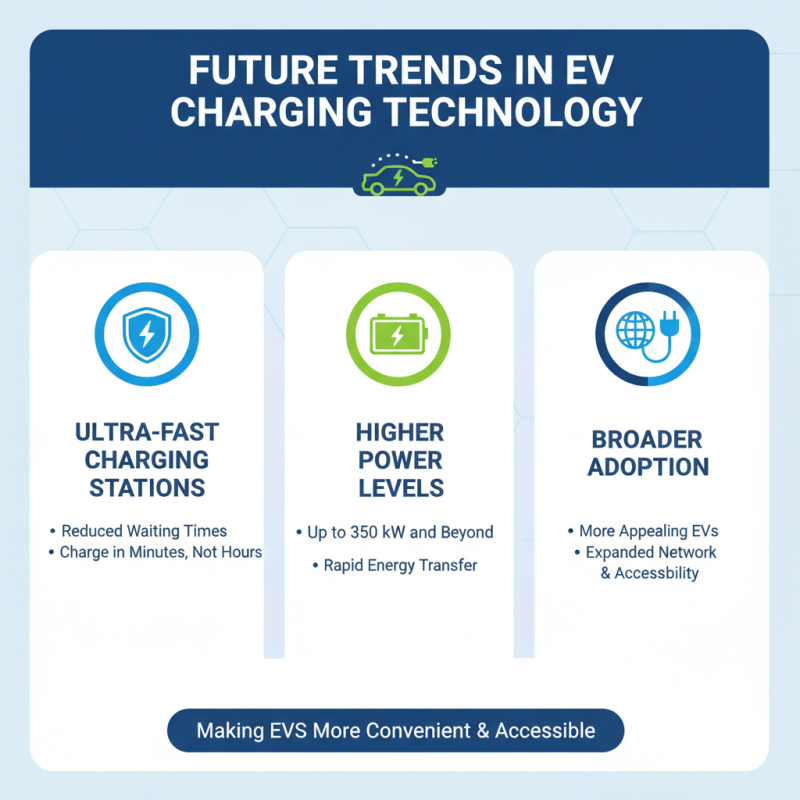
The electric vehicle (EV) landscape is rapidly evolving. Charging technology is at the forefront of this shift. One key trend is the rise of ultra-fast charging stations. These chargers can significantly reduce waiting times for drivers. They offer power levels that can recharge a vehicle in minutes, not hours. This transformation makes EVs more appealing to a broader audience.
Tips for choosing EV chargers include considering power output. Higher output means faster charging, but also requires better infrastructure. Look for options that balance speed and safety. Advanced charging systems now integrate smart technology. They can analyze usage patterns and optimize energy flow. This makes charging not only more efficient but also cost-effective over time.
As we move forward, wireless charging technology shows promise. It eliminates the need for physical plugs. However, challenges remain in efficiency and widespread adoption. It’s essential to reflect on the necessary infrastructure improvements. Charging accessibility is another critical factor. As more EVs hit the roads, ensuring enough charging stations becomes vital. It’s a complex issue requiring coordinated efforts from governments and private sectors.