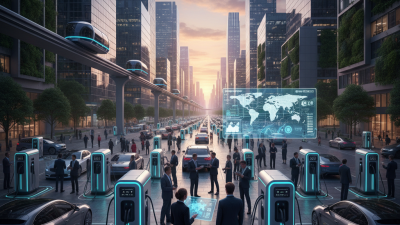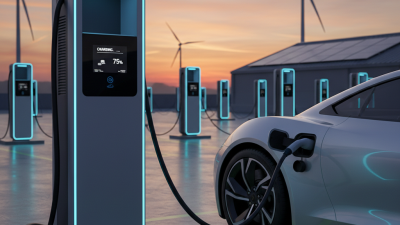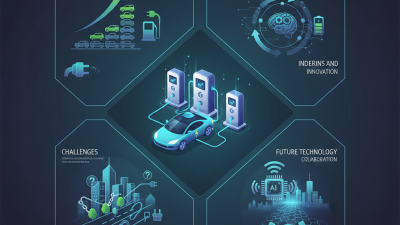
The future of the Charging Pile Industry is bright yet complex. As electric vehicles proliferate, the demand for charging infrastructure surges. According to a recent report by MarketsandMarkets, the global EV charging station market is projected to grow from $3.5 billion in 2020 to $30.7 billion by 2025. This rapid change necessitates innovative solutions and adaptation.
Experts like Dr. Emily Zhang, a leader in EV infrastructure research, assert, "The Charging Pile Industry must evolve to support not just more vehicles but smarter technology." Her insights highlight the critical need for advanced charging solutions. The industry faces both opportunities and challenges. While advancements promise growth, the technology must adapt to user needs and environmental concerns.
Establishing a reliable network of charging piles is key. Cities and companies must work together to overcome infrastructure gaps. Investment in renewable energy sources paired with charging technology can lead to sustainable solutions. However, significant hurdles remain, from regulatory issues to public perception of electric vehicles. The path forward must address these challenges to realize a greener future.
The landscape of charging pile technology is evolving rapidly. Innovative designs are focusing on efficiency and user experience. New materials are being tested to enhance energy transfer and durability. These advancements promise to reduce charging times significantly.
Moreover, the integration of smart technology is transforming charging solutions. Automated systems provide real-time data for users and operators. However, these systems also raise concerns about privacy and security. Stakeholders must address these issues to build trust.
Sustainability is another vital trend shaping the industry. The push for environmentally friendly materials is strong. Recycling options for old charging stations are limited. This gap presents an opportunity for innovation. The journey towards a greener charging pile industry is challenging yet essential.
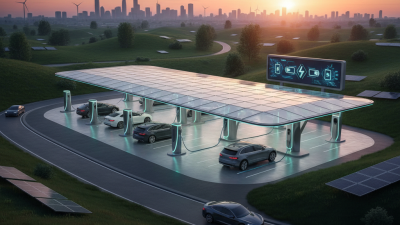
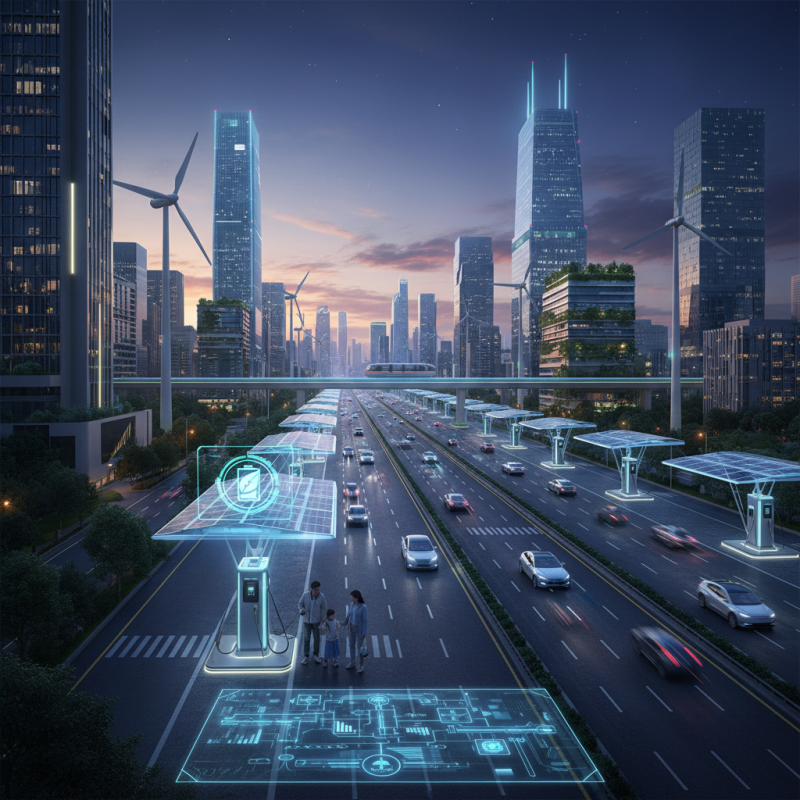
The integration of renewable energy sources into charging infrastructure is reshaping the charging pile industry. Solar and wind energy are becoming prominent. They help reduce the carbon footprint of electric vehicle charging. However, this transition is not without challenges. Many locations lack the necessary infrastructure to support these renewable sources.
Batteries are essential for this integration. They store energy generated during peak production times. Yet, the technology can be expensive and complex to deploy. Maintenance and longevity issues also arise. The efficiency of the energy transferred may vary based on weather conditions. This inconsistency needs careful management to ensure reliability.
Collaboration among various stakeholders is vital. Government policies must encourage investment in renewable technologies. Electromobility advocates also play a role in creating awareness and education. Public perception of renewable energy usage at charging stations is often mixed. Trust in this technology needs to grow for widespread acceptance. The future of the charging pile industry will depend largely on addressing these gaps while prioritizing environmental benefits.
| Trend | Description | Impact | Year of Emergence |
|---|---|---|---|
| Smart Charging | Integrating AI and IoT for optimal energy use and grid balancing. | Reduces energy costs and improves grid reliability. | 2022 |
| Vehicle-to-Grid (V2G) | Allows EVs to feed energy back to the grid during peak demand. | Enhances grid stability and provides income for EV owners. | 2023 |
| Renewable Energy Integration | Utilizing solar and wind energy for charging stations. | Decreases carbon footprint and energy costs. | 2021 |
| Fast Charging Technology | Development of ultra-fast chargers that reduce charging time. | Increases the convenience and adoption of EVs. | 2020 |
| Charging as a Service (CaaS) | Subscription-based services for EV charging access. | Makes EV ownership more accessible and predictable in costs. | 2022 |
| Enhanced Payment Solutions | Integration of contactless payments and mobile apps. | Improves user experience and transaction speed. | 2021 |
| Grid-Interactive Charging | Charging stations that respond to grid conditions in real-time. | Optimizes energy use and enhances grid resilience. | 2023 |
| Carbon Credits for Charging | Implementing a system where renewable energy used in charging earns credits. | Encourages the use of clean energy sources. | 2024 |
| Decentralized Charging Solutions | Local ownership and management of charging stations. | Increases flexibility and responsiveness to community needs. | 2023 |
| Corporate Charging Networks | Businesses setting up dedicated charging stations for employees. | Promotes EV adoption among employees. | 2020 |
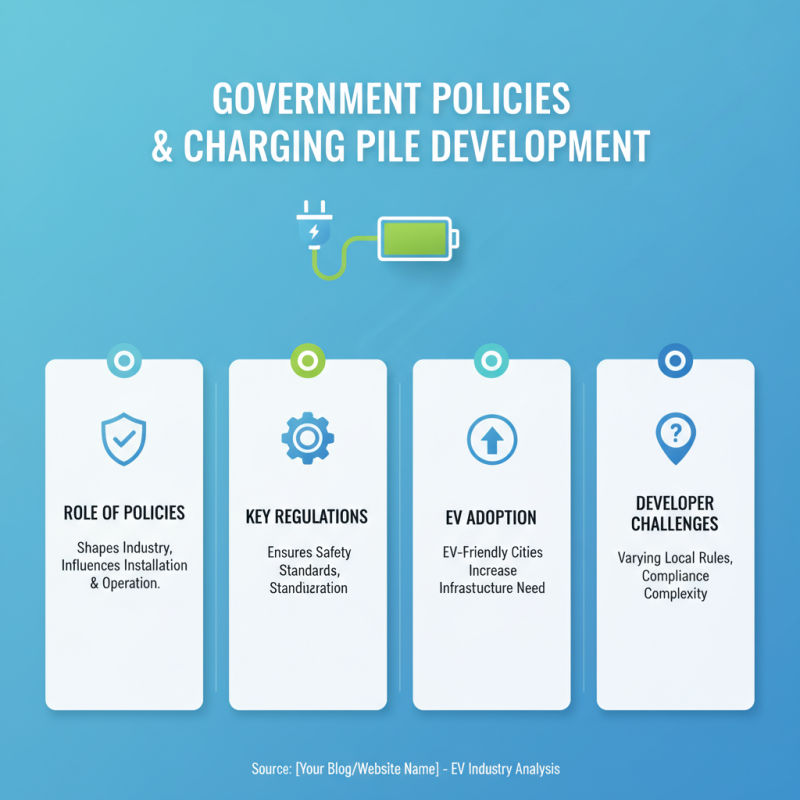
Government policies play a crucial role in shaping the charging pile industry. Various regulations influence the installation and operation of electric vehicle (EV) charging stations. These rules ensure safety standards and encourage standardization. As more cities adopt EV-friendly policies, the need for reliable charging infrastructure grows. Local regulations may vary significantly, making compliance a challenge for developers.
Incentives also come from government initiatives. Many countries offer tax credits and subsidies for installing charging stations. However, some policies may not keep pace with technological advancements. This lag can hinder the rapid expansion of the charging pile network. Policymakers need to adapt to the evolving market while maintaining safety and accessibility.
Moreover, public awareness of these policies is vital. Many consumers are still unaware of available incentives. This lack of information can slow adoption rates. It’s essential for stakeholders to bridge this gap. Addressing these issues can foster a more robust framework for the charging pile industry.
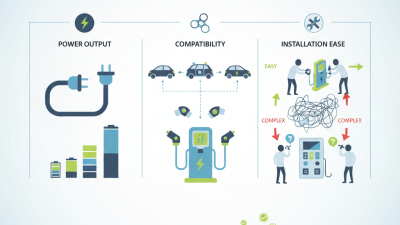
User experience and accessibility in electric vehicle (EV) charging are rapidly evolving. As more drivers adopt electric vehicles, the demand for intuitive and user-friendly charging solutions grows. Accessibility is more than a regulatory requirement; it’s a necessity for all drivers. Charging stations must be easy to find and navigate. Clear signage can make a huge difference, helping users locate charging points quickly.
Moreover, the physical design of charging piles should consider all users. This includes individuals with disabilities. Features like adjustable heights and tactile indicators can enhance usability. The user interface of charging stations must be straightforward. Complicated menus can frustrate users, leading to a poor experience. A simple design can make charging less daunting, especially for those new to EVs.
However, challenges remain. Many charging stations are still not well-lit or safe. Users often report inconvenient locations, far from essential amenities. There's also the issue of standardized payment systems. A seamless transaction process is vital. Users shouldn't feel hindered by multiple payment methods. Attending to these details is crucial for fostering a positive experience in the EV charging landscape.
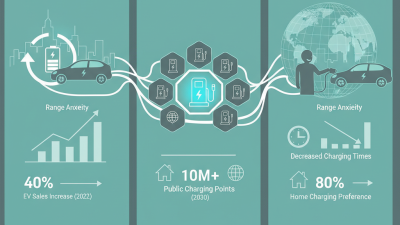
The charging pile industry is rapidly evolving, driven by market dynamics such as investments and strategic partnerships. Recent reports indicate that the global electric vehicle (EV) charging infrastructure market was valued at approximately $9.6 billion in 2021 and is anticipated to grow at a compound annual growth rate (CAGR) of around 30% from 2022 to 2030. This surge highlights a pressing need for efficient charging solutions as EV adoption escalates.
Investments are crucial to support the development of innovative charging technologies. Reports from industry analysts stress the importance of collaboration. Partnerships between energy providers and technology firms are becoming more common. Such alliances can lead to improved charging efficiency and infrastructure scalability. However, some partnerships have faced challenges related to regulatory hurdles. Ensuring compliance with local laws remains a complex and often overlooked aspect.
As demand for charging stations increases, stakeholders face a dilemma: how to balance rapid expansion with the need for robust infrastructure. While investments are rising, not all locations may receive equal funding. A recent survey indicated that only 25% of respondents felt their region had sufficient charging facilities. This discrepancy signifies areas where more investment is essential. Thoughtful planning and strategic alliances can help address these gaps while ensuring sustainable growth in the industry.