The rise of New Energy Vehicles (NEVs) marks a significant shift in the automotive industry. As global concerns about climate change grow, more consumers and manufacturers are turning to sustainable alternatives. NEVs, including electric vehicles and hybrids, offer solutions that reduce emissions and decrease reliance on fossil fuels.
In recent years, advancements in technology have made NEVs more accessible and efficient. For instance, many manufacturers now produce models with impressive ranges and faster charging options. This evolution reflects a commitment to innovation and environmental responsibility. However, challenges remain. Public charging infrastructure is still developing in many areas, affecting convenience for potential buyers.
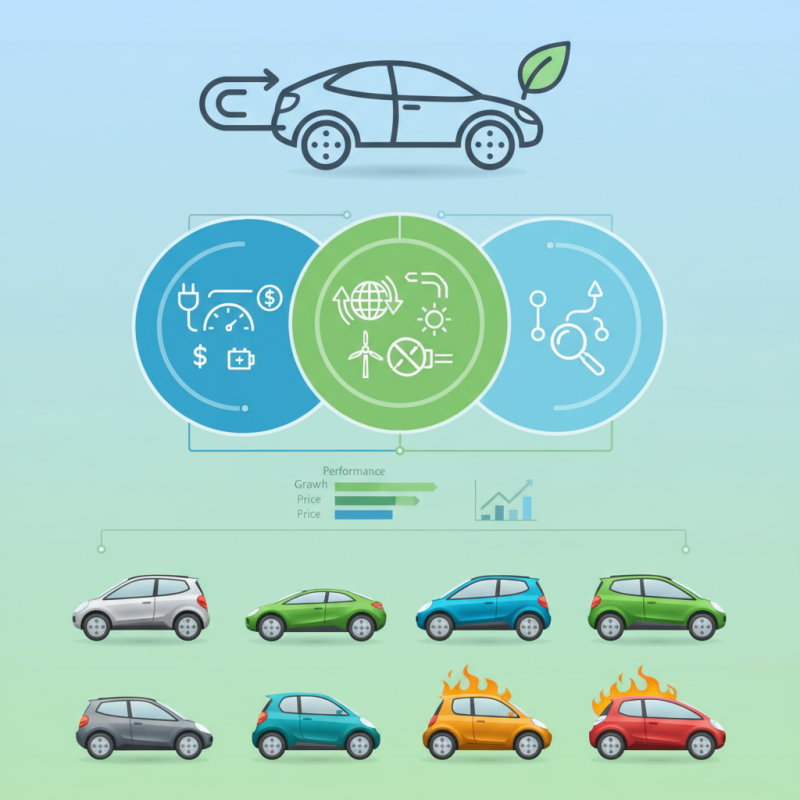
Evaluating the best new energy vehicles involves looking at performance, price, and sustainability. As consumers seek reliable options, awareness of these aspects becomes essential. The top choices vary in features, reflecting diverse needs in this budding market. Understanding these vehicles will empower consumers to make informed decisions in this exciting new era.
The automotive industry is undergoing a significant transformation with the rise of electric vehicles (EVs). Recent data shows that EV sales surged by 43% in 2021, illustrating a growing consumer interest. As concerns over climate change and dwindling fossil fuels increase, so does the need for innovation in the sector. Various models are leading the way in this revolution, offering more than just ecological benefits.
While many new electric vehicles promise high efficiency, they also bring challenges. Range anxiety remains a significant concern for potential buyers. Many consumers worry about battery life and charging infrastructure. A report by the International Energy Agency (IEA) notes that global EV stock reached 10 million in 2020, but charging stations need to multiply for greater adoption.
Tip: When considering an EV, research local charging options. It’s crucial to understand your driving habits and proximity to charging facilities.
Design and technology in EVs are advancing at an unprecedented pace. Features like regenerative braking and advanced driver-assistance systems make them appealing. Consumer Reports highlights that safety ratings for many top electric models are impressive. However, the cost of ownership, maintenance, and potential battery replacement can raise questions.
Tip: Look beyond the sticker price. Consider long-term costs versus traditional vehicles. Understanding total cost of ownership helps make informed decisions.
As the electric vehicle landscape evolves, embracing these innovations requires both excitement and caution. The push towards a sustainable future is exhilarating, yet it comes with complexities that must be navigated.
| Model | Type | Range (miles) | Charging Time (hrs) | Price ($) |
|---|---|---|---|---|
| Model A | Electric | 300 | 1.5 | 35,000 |
| Model B | Hybrid | 400 | 2.0 | 45,000 |
| Model C | Electric | 350 | 1.2 | 40,000 |
| Model D | Plug-in Hybrid | 450 | 2.5 | 50,000 |
| Model E | Electric | 300 | 1.8 | 38,500 |
| Model F | Hybrid | 420 | 2.3 | 48,000 |
| Model G | Electric | 360 | 1.4 | 42,000 |
| Model H | Plug-in Hybrid | 470 | 2.0 | 55,000 |
| Model I | Electric | 330 | 1.6 | 37,500 |
| Model J | Hybrid | 310 | 2.1 | 43,000 |
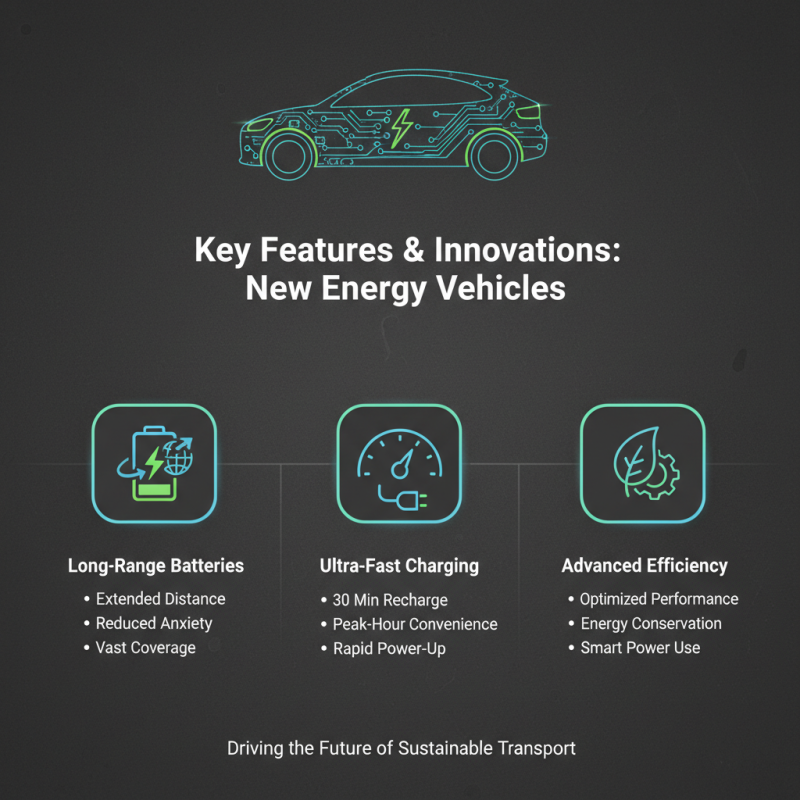
New energy vehicles are rapidly evolving, packed with innovative features. The latest models emphasize efficiency. Many focus on long-range batteries. These batteries can cover vast distances on one charge. Users appreciate the reduced anxiety of running out of power. Fast charging technology is also crucial. Some vehicles now recharge in under 30 minutes. Convenience is key in peak-hour situations.
These vehicles are designed not just for eco-friendliness but for comfort. Spacious interiors often come equipped with advanced infotainment systems. Some include AI-driven assistants to enhance the driving experience. Safety features are becoming standard as well. Innovations like lane-keeping assist and adaptive cruise control are now prevalent. These features contribute to safer roads. However, some systems may still misinterpret surroundings. Continuous improvements are essential in this area.
While new energy vehicles offer impressive advancements, challenges remain. Not all users have access to charging infrastructure. Urban areas may lack sufficient stations. This creates reluctance in potential buyers. The transition to electric can still feel daunting. Comprehensive solutions are needed to tackle these issues. Consumer education is just as important as technology itself.
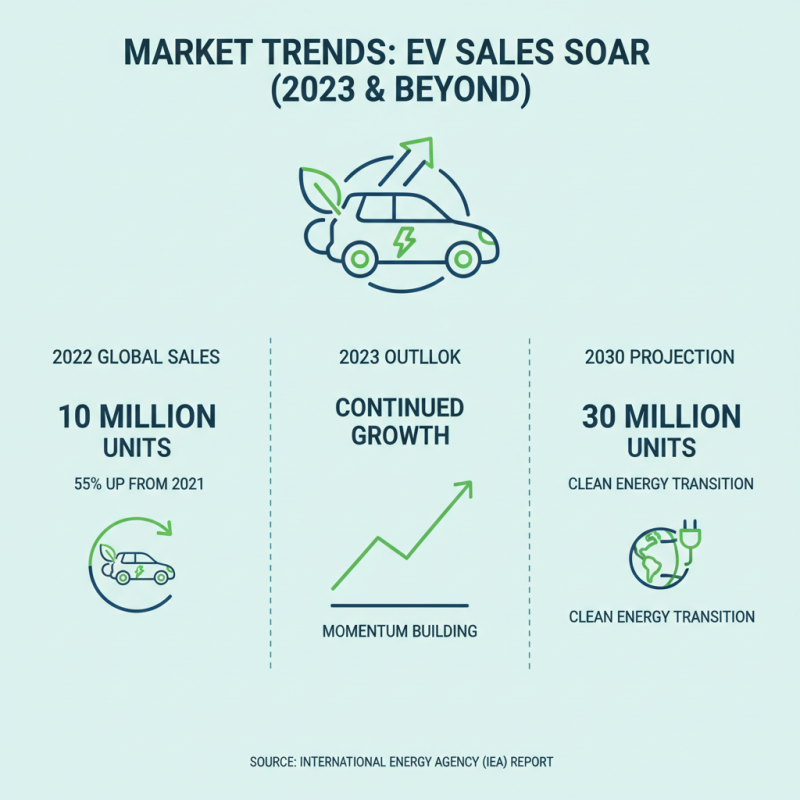
The electric vehicle (EV) market is witnessing significant growth in 2023. According to a report by the International Energy Agency (IEA), global EV sales reached 10 million units in 2022, marking a 55% increase compared to the previous year. This momentum shows no signs of slowing down. Industry analysts predict that sales could reach 30 million units by 2030. The transition to cleaner energy is becoming a priority.
Consumer interest in electric vehicles is driving this growth. Many buyers see EVs as a sustainable option. However, concerns remain. Charging infrastructure is still not widespread. This limits access for potential buyers. Additionally, production issues, such as semiconductor shortages, impact vehicle availability. Analysts note that companies must innovate to address these challenges.
The regulatory landscape is changing as well. Governments worldwide are setting ambitious emissions targets. These policies significantly influence consumer choices. A recent study found that 61% of potential buyers are more likely to purchase an EV due to government incentives. Change is happening, but the industry must adapt quickly. The collective efforts of manufacturers, policymakers, and consumers will shape the future of new energy vehicles.
New energy vehicles (NEVs) are becoming increasingly popular. One of their greatest advantages is the reduction of harmful emissions. Transitioning to NEVs could significantly lower greenhouse gases. Studies show that these vehicles can cut emissions by up to 50% compared to traditional gasoline cars. Electric vehicles offer a cleaner alternative, especially when charged with renewable energy.
However, environmental impacts are not without challenges. Battery production for NEVs often involves significant energy consumption. The minerals required for batteries can cause environmental degradation through mining practices. Awareness of these issues is critical for consumers.
Tips: Consider charging your vehicle during off-peak hours. This not only saves energy but can also reduce costs. Engaging in carpooling reduces the number of vehicles on the road.
Being informed helps make better choices. The shift to NEVs is not just about replacing conventional cars. It involves understanding the full lifecycle impact of these vehicles. As awareness grows, so does accountability in making responsible choices for the environment.
Consumer preferences in the electric vehicle (EV) market are shaped by various factors. According to a recent report by the International Energy Agency, a significant 75% of potential buyers prioritize environmental concerns when considering an EV. This reflects a growing awareness of climate change and the role of vehicles in carbon emissions. However, many consumers hesitate due to high initial costs. A study from McKinsey indicates that pricing remains one of the biggest barriers, with 58% of respondents citing it as a concern.
In addition to price, charging infrastructure plays a critical role. Research shows that 65% of potential EV owners worry about access to charging stations. Many potential buyers feel uncertain about charging availability in urban and rural areas. Moreover, battery range remains a crucial consideration. A survey from Deloitte found that around 70% of consumers want a range that exceeds 300 miles. While advancements are being made, many models still fall short of this benchmark.
Finally, incentives can tip the balance. Government subsidies and tax credits influence 68% of buyers. These incentives can alleviate worries about upfront costs. However, inconsistency in policies across regions introduces confusion and could hinder broader adoption. Understanding these factors is essential for shaping a more sustainable automotive future.