How to Choose the Best Electric Car Charger for Your Needs?
The rise of electric vehicles (EVs) has significantly changed the automotive landscape. In 2022, electric cars accounted for nearly 9% of global vehicle sales, as per the International Energy Agency. With this growth, the need for an efficient and suitable Electric Car Charger has become critical.
Choosing the right charger can be challenging. Different models offer varying charging speeds, compatibility, and installation requirements. According to a recent study by the Department of Energy, nearly 80% of EV owners charge their vehicles at home. This highlights the importance of selecting a charger that aligns with your daily driving needs.
Consideration of factors like power level, installation space, and future-proofing can make a difference in your decision. Addressing these aspects can lead to an optimal charging experience. However, it's vital to reflect on your habits and requirements. A misstep here may lead to inadequate charging solutions. Ultimately, investing time in understanding your options will pay off in convenience and efficiency.
Understanding Your Electric Vehicle Charging Needs
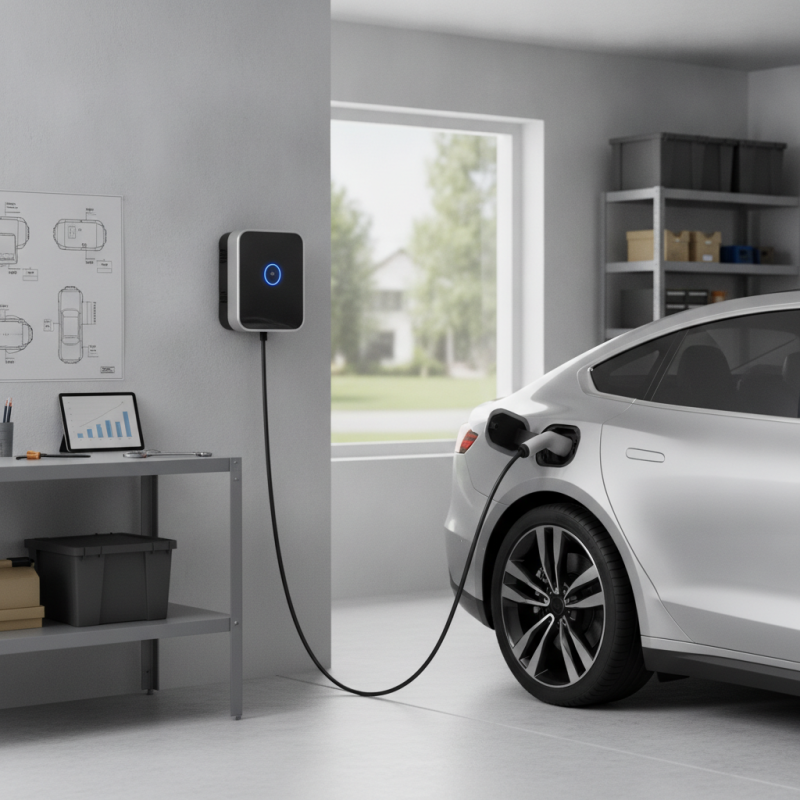
When considering electric vehicle (EV) charging needs, the first step is understanding your daily usage. According to a study by the International Energy Agency (IEA), most EV owners drive less than 50 miles a day. This means that for many, a Level 1 charger, which can be plugged into a standard outlet, suffices for overnight charging. However, fast chargers, or Level 3, may be necessary for those taking longer trips or with larger batteries.
Another important aspect is the charging speed. Different EVs support varying levels of charging. For example, a Level 2 charger can deliver between 3.7 kW and 22 kW, which significantly reduces charging time, often to a few hours for a full battery. However, not all homes are equipped to handle such power requirements. A recent report indicated that upgrading home electrical systems can cost anywhere between $1,500 and $5,000, creating an unexpected barrier for some owners.
Finally, location plays a critical role in choosing the right charger. If you often rely on public charging stations, consider their availability and compatibility with your vehicle. Some reports highlight that urban areas have better coverage, while rural locations may lack adequate infrastructure. This discrepancy necessitates careful planning to avoid charging delays during longer journeys. Understanding these factors is essential for selecting a charger that aligns with your lifestyle and supports your EV’s performance effectively.
Types of Electric Car Chargers Available in the Market
When considering electric car chargers, it's essential to understand the different types available.
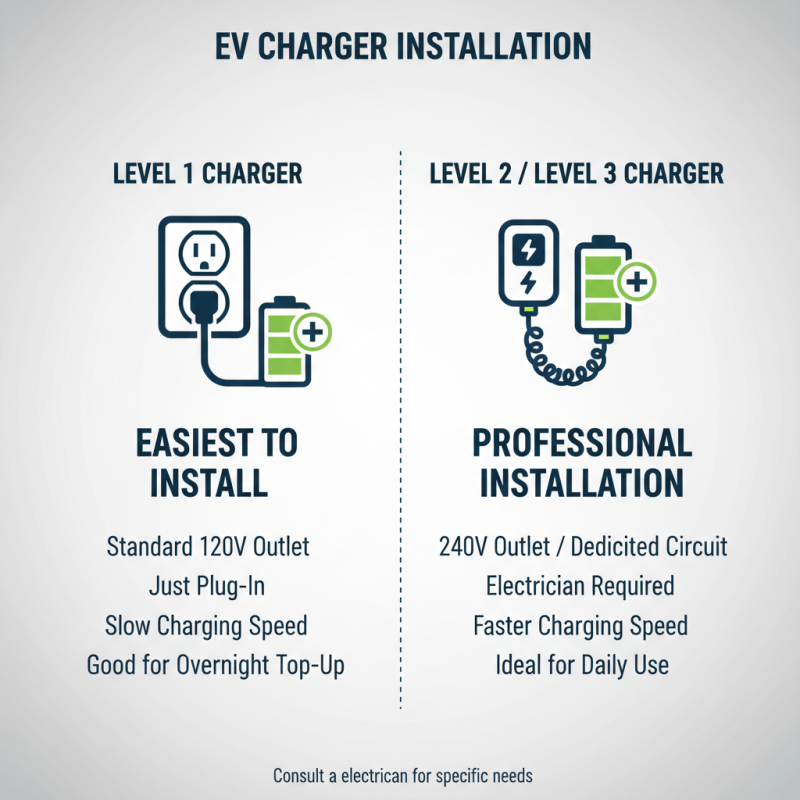
Level 1 chargers, for instance, are the simplest. They use a standard household outlet. These chargers work well for overnight charging. However, they are slow, often taking up to 20 hours for a full charge. For many, this slow pace can be frustrating.
Level 2 chargers are more efficient. They require a dedicated 240-volt outlet. This type can fully charge a vehicle in 4 to 8 hours, making it a better option for daily drivers. Installation may involve additional costs, including electrical work. However, the quicker charging times often justify these expenses.
DC fast chargers are the most powerful type available. They provide rapid charging, often replenishing an electric vehicle's battery to 80% in about 30 minutes. However, not all electric cars are compatible with DC fast charging. Additionally, these chargers are typically found at public charging stations rather than in residential areas. Understanding your specific charging needs can help in making an informed decision. Consider your driving habits, available infrastructure, and budget before selecting a charger.
Factors to Consider When Choosing an Electric Car Charger
When choosing an electric car charger, several factors play a crucial role. Charging speed is a primary consideration. Level 1 chargers are slower, taking over 12 hours for a full charge. In contrast, Level 2 chargers can significantly reduce that time, completing a charge in around 4 to 8 hours. We should evaluate our daily driving needs. If you drive long distances regularly, a faster charger may be necessary.
Another important aspect is the installation process. Some chargers require professional installation, which can add to the cost. It's essential to check the compatibility of the charger with your vehicle model. Not all electric cars use the same charging standards. Research can help avoid confusion and ensure you select a device suited to your car's needs.
Finally, consider your home or workplace's electrical system. Upgrading your electrical panel may be warranted for higher charging capacities. This may be an added expense and requires careful planning. Each factor should be weighed against your specific situation. There is no one-size-fits-all solution; personal circumstances will dictate the best choice for you.
How to Choose the Best Electric Car Charger for Your Needs?
| Charging Level |
Charging Speed (Miles/Hour) |
Installation Cost |
Typical Use Case |
Portability |
| Level 1 |
2-5 miles/hour |
Low ($300 - $600) |
Home Charging |
No |
| Level 2 |
10-25 miles/hour |
Moderate ($600 - $1,500) |
Home and Public Charging |
No |
| DC Fast Charger |
60-100 miles/30 minutes |
High ($10,000 - $40,000) |
Public Charging Stations |
No |
| Portable Charger |
3-10 miles/hour |
Moderate ($300 - $800) |
Emergency Charging |
Yes |
Installation Requirements for Different Charger Types
When selecting an electric car charger, installation requirements can vary widely based on charger type. Level 1 chargers typically use a standard household outlet. They require little more than a plug, making them incredibly easy to install. However, the charging speed is slower. It may not satisfy daily needs for many electric vehicle (EV) users.
On the other hand, Level 2 chargers need a dedicated circuit. This involves electrical upgrades, and thus, should be installed by a professional electrician. While this installation might seem daunting, it significantly enhances charging speed. Homeowners must plan for possible electrical panel upgrades. Adhering to local codes is essential to ensure safety and reliability.
Fast chargers, also known as Level 3, require a substantial power source. These chargers often necessitate a three-phase connection. This might lead to higher installation costs. Not every home can accommodate these requirements, which could cause frustrations later. Reflecting on these aspects before choosing a charger type saves time and potential headaches.
Cost Analysis and Budgeting for Your Electric Car Charger
When considering the cost of an electric car charger, several factors come into play. The initial purchase price is just one aspect. Installation expenses can vary widely depending on your home’s electrical system. You might need upgrades for optimal performance. This can lead to unexpected costs. Always get a detailed estimate before committing.
Additionally, think about long-term savings. A good charger can reduce your electricity bill. Look for energy-efficient models that minimize energy waste. Some chargers come with smart features that help you monitor usage. This can help in budgeting for future expenses.
It’s crucial to evaluate your driving habits too. If you drive frequently, investing in a faster charger makes sense. However, if you only use your car occasionally, a slower, less expensive option could be sufficient. Sometimes, less is more. Consider your specific needs before making a purchase. An informed decision is key to balancing quality and cost.
Cost Analysis of Electric Car Chargers
This bar chart represents the cost analysis of different types of electric car chargers, showing that Level 1 chargers are the most economical option, while DC Fast chargers are significantly more expensive.