10 Essential Tips for Choosing the Best Charging Piles for Your EV?
As electric vehicles (EVs) become more common, choosing the right charging piles is crucial. These charging stations not only power your vehicle but also enhance your overall driving experience. With various options available, selecting the best charging piles can be a daunting task. It’s important to consider factors that directly affect performance and convenience.
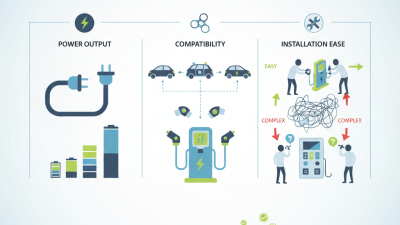
Experience matters when evaluating charging piles. Different models offer unique features, making personal research essential. Factors like power output, installation type, and suitable charging speed contribute to effective decision-making. Additionally, understanding the compatibility with your EV is vital. Charging piles often vary in design and capacity, which can lead to frustration if not properly assessed.
Navigating this choice requires careful thought. Not all charging piles will meet your needs. So, reflecting on your driving habits and preferences can guide your decisions. With a reliable charging pile, you can ensure that your EV remains charged and ready for the road ahead.
Understanding the Different Types of EV Charging Piles Available
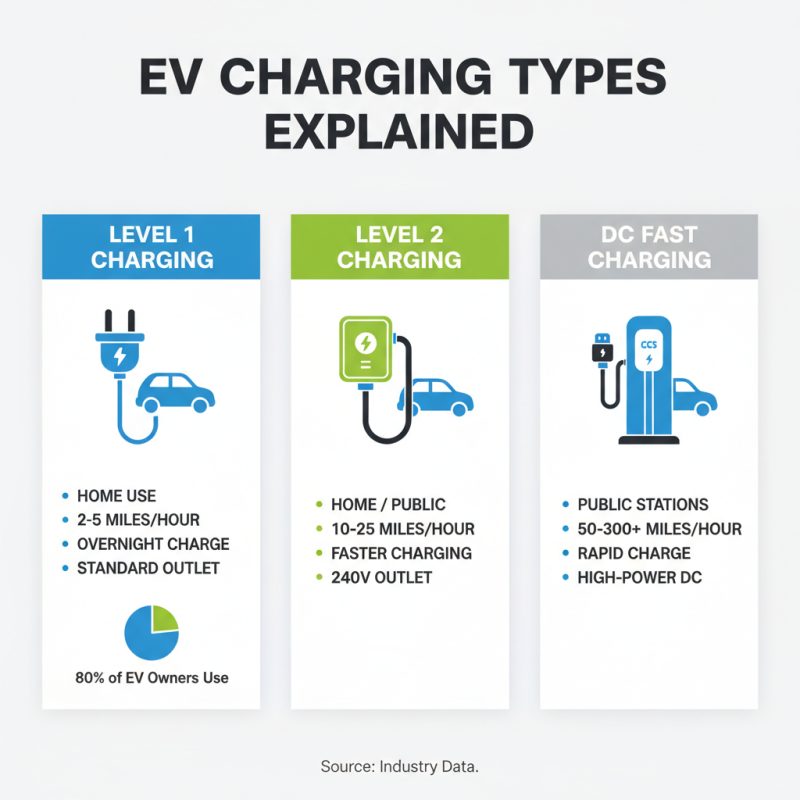
When selecting an EV charging pile, it’s crucial to understand the various types available on the market today. The most common types include Level 1, Level 2, and DC fast chargers. Level 1 chargers, primarily used in homes, provide 2 to 5 miles of charging per hour. They are suitable for overnight charging but may not meet the needs of frequent drivers. In fact, industry data shows that around 80% of EV owners rely on Level 1 chargers.
Level 2 chargers are more efficient. They deliver 10 to 60 miles of range per hour. This makes them ideal for public charging stations and residential use. According to a recent report by the International Energy Agency, the number of Level 2 stations is growing rapidly, contributing to greater accessibility for EV users. However, the installation costs can vary significantly.
DC fast chargers, while less common, provide the quickest charging times. They can replenish 80% of an EV’s battery in about 30 minutes. However, they require specialized infrastructure and are generally more expensive to install. It's worth noting that while fast charging is convenient, regular use can lead to battery degradation over time. Understanding these types allows consumers to make informed decisions that align with their driving habits and charging needs.
Evaluating Charging Speed: How It Affects Your EV Experience
When choosing charging piles for your electric vehicle (EV), evaluating charging speed is crucial. The speed at which an EV charges greatly impacts its usability and convenience. A report from the International Energy Agency shows that faster charging can encourage more drivers to switch to electric. Charging time can vary significantly based on the type of charger. For example, Level 2 chargers typically provide about 10-60 miles of range per hour, while DC fast chargers can deliver 100-200 miles in 30 minutes.
Charging speed does not only affect the driver experience; it also plays a role in grid management. The U.S. Department of Energy indicates that a well-distributed network of fast chargers can alleviate grid strain, especially during peak hours. However, faster chargers might come with higher installation costs and infrastructure demands. Some users report frustration with limited access to high-speed chargers in certain areas.
Selecting the right charging pile involves understanding your driving habits. If you have a long daily commute, investing in a faster charger may be essential. Yet, it’s imperative to balance cost and convenience. Many people find themselves needing more information about local charging options. Not ideal, but understanding these variables helps to enhance the EV experience over time.
10 Essential Tips for Choosing the Best Charging Piles for Your EV
| Charging Type |
Charging Speed (kW) |
Typical Charging Time (Hours) |
Best For |
| Level 1 |
1.4 - 2.4 kW |
8 - 20+ hours |
Home charging, overnight use |
| Level 2 |
3.3 - 22 kW |
4 - 8 hours |
Home and public charging, daily use |
| DC Fast Charging |
50 - 350 kW |
20 - 60 minutes |
Long trips, quick top-ups |
| Ultra Fast Charging |
150 - 350 kW |
15 - 30 minutes |
Long distance travel |
| Wireless Charging |
Variable (typically < 11 kW) |
Varies based on system |
Convenience, parking |
Assessing the Installation Requirements for Charging Piles
When assessing the installation requirements for charging piles, several critical factors come into play. First, understanding the electrical infrastructure is vital. A recent report indicates that about 60% of residential properties need electrical upgrades to support Level 2 chargers. This could mean a significant investment in rewiring or panel upgrades. Homeowners must also check if their location complies with local zoning regulations.
Space availability is another essential consideration. A dedicated installation area should be at least 4 square meters. Accessibility matters too; chargers should be placed where they can be easily used. Many installations face delays due to inadequate planning in these areas, highlighting the need for thorough assessment.
Another aspect is the environmental conditions around the installation site. A study shows that chargers exposed to harsh weather conditions have a higher failure rate. Locations prone to flooding or extreme temperatures require additional protective measures. Paying attention to installation requirements can significantly impact the long-term effectiveness of charging piles for electric vehicles.
Charging Pile Installation Requirements Assessment
Comparing the Costs: Purchase and Maintenance of Charging Piles
When considering the costs associated with EV charging piles, the initial purchase price is a significant factor. The U.S. Department of Energy estimates that a Level 2 charging station typically costs between $400 and $7,000. Installation can add another $1,000 to $3,000, depending on the electrical setup required. While upfront costs seem high, tax incentives can reduce expenses significantly.
Maintenance costs should also be part of your analysis. According to industry data, the annual maintenance for these chargers usually ranges from $200 to $600. Factors influencing this include usage rate and location. A station in a busy area may need more upkeep compared to one in a secluded spot. Additionally, technology upgrades may require replacement parts, contributing further to costs.
Many EV owners realize that while the purchase may strain budgets, the long-term savings on fuel and maintenance can offset initial investments. However, it's essential to analyze your specific needs and usage patterns diligently. Overestimating charging pile capacity or underestimating site-specific challenges can lead to missed opportunities and unplanned expenses. Always consider both immediate costs and long-term implications for a balanced decision.
Considering Future-Proofing and Compatibility with Upcoming EV Models
When choosing charging piles for electric vehicles (EVs), future-proofing and compatibility are critical factors. The EV market is rapidly evolving. According to the International Energy Agency, the global electric car stock surpassed 10 million units in 2020 and is expected to reach 145 million by 2030. This explosive growth means selecting chargers that can support emerging technologies is vital.
Compatibility with various EV models also plays a significant role. Many charging units today are not universally compatible with all makes and models. Some reports suggest that up to 30% of EV owners face challenges with charging infrastructure access due to incompatibility. Therefore, opting for versatile charging piles that support multiple connectors can save time and frustration in the long run.
In the quest for optimal charging solutions, consider the power output of charging piles. Rapid chargers often provide a significant advantage for urban areas with high EV traffic. However, these options can sometimes be overkill for home use. Reflecting on your specific needs will help ensure that your chosen charging pile not only meets current demands but also adapts to technological advancements.