How to Choose the Best New Energy Charging Piles for Your Needs?
As nations transition towards cleaner energy, the importance of New Energy Charging Piles cannot be overstated. Experts like Dr. Emily Zhang, a leading figure in renewable energy technology, emphasize this point: "The efficiency of charging piles will determine the success of electric vehicle adoption." Choosing the right charging pile is critical for both individuals and businesses.
The market for New Energy Charging Piles is growing rapidly. However, selecting the best option can be overwhelming. Each charging pile comes with unique features, pricing, and technology. Consider factors such as charging speed, compatibility with various electric vehicles, and installation requirements. These details can significantly affect the user experience and long-term satisfaction.
Ultimately, making an informed choice may require research and even experiments. Not all charging piles suit the same needs. Users often find themselves reflecting on their decisions after installation and use. This experience can lead to valuable insights that improve future choices in the evolving landscape of New Energy Charging Piles. Prioritizing reliability and suitability will pave the way for a more sustainable energy future.
Understanding the Different Types of New Energy Charging Piles
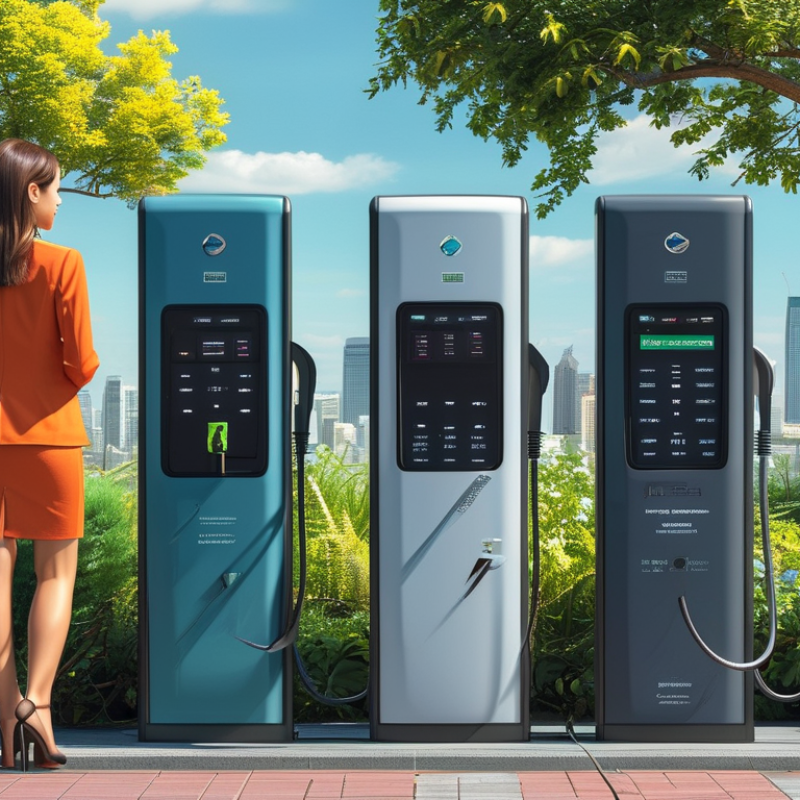
When exploring new energy charging piles, understanding the various types available is crucial. Charging piles generally fall into categories based on charging speed and technology. Level 1 chargers are basic, using standard electrical outlets. They charge slowly, ideal for overnight use or in low-demand scenarios. On the other hand, Level 2 chargers are more advanced, providing faster charging times, suitable for home installations and commercial applications.
Fast charging options, like DC fast chargers, deliver significant energy in a short time. They are primarily found in public charging stations, but not all EVs are compatible. This technology can create a sense of urgency, pushing users to charge quickly, yet it may make the battery life shorter over time. Furthermore, there's a growing interest in wireless charging technologies, which are still in development. These systems promise convenience but currently face challenges with efficiency and cost.
It's essential to evaluate your charging habits and infrastructure before making a decision. Consider how often you'll need rapid charging versus longer, slower charges. The right choice depends on your lifestyle and the type of vehicle you own. While advanced options may appeal for their speed, the long-term benefits of slower chargers shouldn't be overlooked. Each type offers unique pros and cons that warrant careful consideration.
Evaluating Charging Speed and Efficiency for Your Charging Needs
Evaluating charging speed and efficiency is crucial when selecting new energy charging piles. According to recent industry reports, charging speed varies significantly among different models. Some can deliver up to 350 kW, enabling rapid charging of electric vehicles in under 30 minutes. This makes a noticeable difference for users with high turnover needs. Conversely, slower chargers, operating at 7 kW, might take several hours to fully charge a vehicle. It’s essential to match charging speeds with your usage patterns.
Efficiency is also a key factor. Reports suggest that charging efficiencies can range from 80% to over 95%. A more efficient charger will minimize energy loss during the charging process. This not only reduces costs but also promotes sustainability. Consider your daily driving habits. If you frequently drive long distances, investing in higher-speed chargers may be worth it. However, if your daily needs are modest, slower, more affordable options could suffice.
Understanding these factors can help make informed decisions. Look for chargers that offer easy integration with renewable energy sources. It may be worthwhile to invest in modern tech. Prioritize models that provide real-time data on charging status. This helps optimize charging times and manage energy costs effectively. While newer technologies promise much, you should weigh costs against performance data. Always seek expert opinions to gauge what best fits your specific requirements.
Assessing Compatibility with Various Electric Vehicle Models
When choosing a new energy charging pile, compatibility is key. Electric vehicles (EVs) use varying charging standards. Not all charging piles suit every model. According to a 2023 industry report, 30% of users face charging issues due to incompatibility. Each EV brand often has its specifications, such as plug types and voltage requirements. It's crucial to pay attention to these details.
A study highlighted that over 60% of EV owners prioritize home charging solutions. Nearly 45% of these users reported difficulties when selecting a compatible charging pile. Factors like the specific connector type—Type 1, Type 2, or CCS—are essential. Additionally, vehicles from different manufacturers may require distinct power outputs. This adds another layer of complexity.
Moreover, charging speeds vary significantly. Level 1 chargers are typically slower but often suitable for overnight charging. In contrast, Level 3 chargers provide rapid charging but may not work with all models. The gap in user knowledge regarding these specifications underscores the need for careful research. Understanding these compatibility factors can prevent user frustration and enhance the overall charging experience.
Considering Installation and Maintenance Requirements
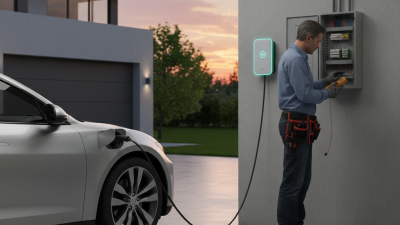
When selecting new energy charging piles, installation and maintenance are critical factors. The complexity of installation can greatly affect your long-term satisfaction. According to industry reports, over 35% of installation issues stem from insufficient site assessments. Understanding local regulations is also vital. Certain areas may require additional permits or certifications, adding to costs and time.
Maintenance is another important aspect that requires attention. Regular upkeep ensures the efficiency of charging stations. Reports indicate that improper maintenance can reduce operational efficiency by up to 25%. Establishing a maintenance schedule is essential to prevent unexpected breakdowns. A proactive approach can enhance the lifespan of the charging piles, saving you from costly repairs in the future.
Selecting the right installation team is crucial. Their experience will significantly impact the quality of the setup. Research shows that poorly installed equipment can lead to safety hazards and increased downtime. It's advisable to check references and past projects. Careful planning and consideration of these maintenance and installation requirements will ultimately benefit your investment in new energy solutions.
Budgeting for Initial Costs and Long-Term Savings
When considering new energy charging piles, budgeting plays a crucial role. Initial costs can vary significantly. Some installations require extensive electrical work, affecting your budget. Assess your property's infrastructure thoroughly. If you own a home, understand your electrical capacity before choosing. This planning can prevent unexpected expenses.
Long-term savings need attention too. Energy-efficient models offer reduced electricity bills. Consider the maintenance costs associated with each pile. A less costly pile might require frequent repairs, negating savings. Depending on usage, some piles may deliver quicker charging times, improving efficiency. Balancing upfront costs with potential savings demands careful thought.
It’s easy to overlook future expenses. Users might focus solely on initial investments. Reflecting on long-term usage patterns can reveal hidden costs. Evaluate warranty offers. A longer warranty may suggest reliability, enhancing your peace of mind. Ultimately, a thorough analysis ensures you make an informed decision tailored to your needs.