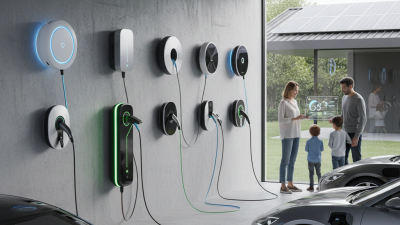
As electric vehicles gain popularity, the need for efficient access to Electric Vehicle Charging Stations becomes crucial. Industry expert Dr. Lisa Tran emphasizes, "The charging network must evolve with the growing number of electric vehicles." With millions of electric cars on the road, finding nearby charging stations can be challenging. Many drivers often face long waits or unclear information about availability.
The infrastructure must improve to support this shift. Integrating real-time data about charging station locations and their status can streamline the experience. Additionally, dedicated apps can help drivers map out convenient routes with accessible Electric Vehicle Charging Stations.
However, issues still exist. Accessibility of charging stations varies widely, creating unpredictability for electric vehicle owners. While efforts are underway, changes are not always rapid enough. The future hinges on better planning and innovative solutions to ensure seamless charging experiences for drivers everywhere.
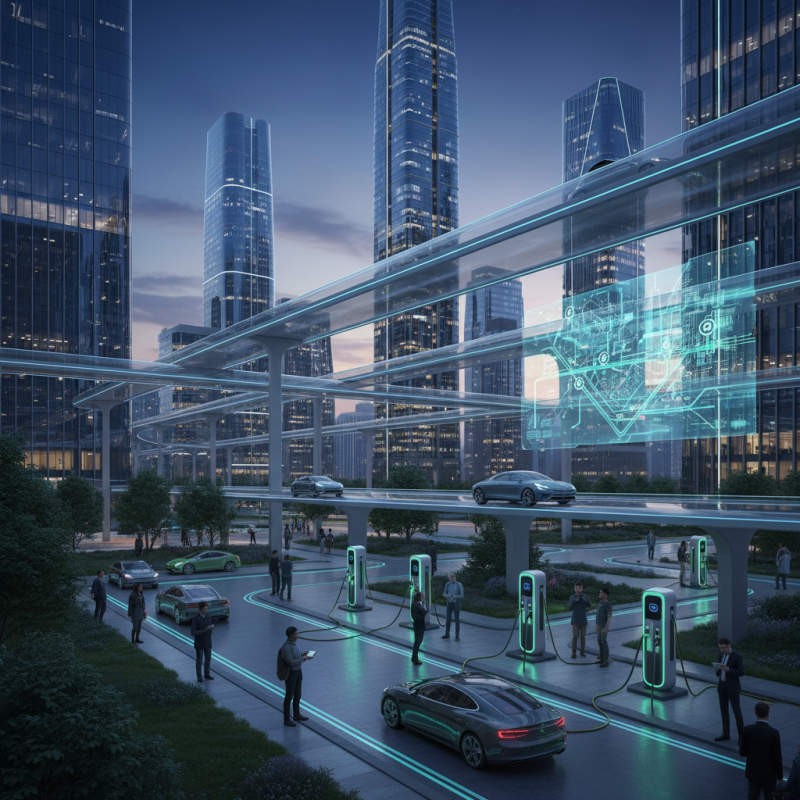
Electric vehicle (EV) charging stations are not all the same. Understanding different types of stations can simplify your charging experience. There are three main categories: Level 1, Level 2, and DC Fast Chargers.
Level 1 chargers use a standard 120-volt outlet. They are ideal for home charging, but they are slow. Charging an EV can take over 12 hours this way. Level 2 chargers operate at 240 volts, providing a quicker option. These are common in public places and can charge an EV in approximately 4 to 8 hours.
DC Fast Chargers are the fastest option available. They can replenish most EVs in about 30 minutes. However, these stations are less common and often found near highways. It's essential to plan trips accordingly. Some drivers find it hard to locate these chargers. Using mobile apps can make finding the right station easier. Always check compatibility with your vehicle’s requirements before charging.
| Station Type | Charging Level | Average Charging Time | Estimated Cost (per kWh) | Location Type |
|---|---|---|---|---|
| Public Charging Station | Level 2 | 4-6 hours | $0.15-$0.30 | Parking Lot |
| Fast Charging Station | DC Fast Charge | 30-60 minutes | $0.30-$0.70 | Highway Rest Area |
| Home Charging Station | Level 2 | 4-8 hours | $0.10-$0.20 | Residential |
| Workplace Charging Station | Level 2 | 4-8 hours | Varies | Commercial |
Electric vehicle (EV) owners know the importance of finding charging stations efficiently. Mobile apps have become essential tools in this quest. They can guide users to nearby charging points. These apps provide real-time information, including availability and status of chargers. This feature is critical for those on long journeys.
Using these apps can save time and reduce range anxiety. They often include filters to search for fast chargers or specific connector types. However, not all apps are equally reliable. Users may encounter outdated or incorrect information. This inconsistency can lead to frustrating detours. It’s wise to cross-reference locations with official charging networks.
Security is another concern. Users share location data with these apps. Some may not ensure adequate privacy measures. Always review app permissions and select reputable options. Despite these challenges, leveraging mobile technology can enhance the EV experience significantly. Stay informed, and choose wisely for a smoother journey.
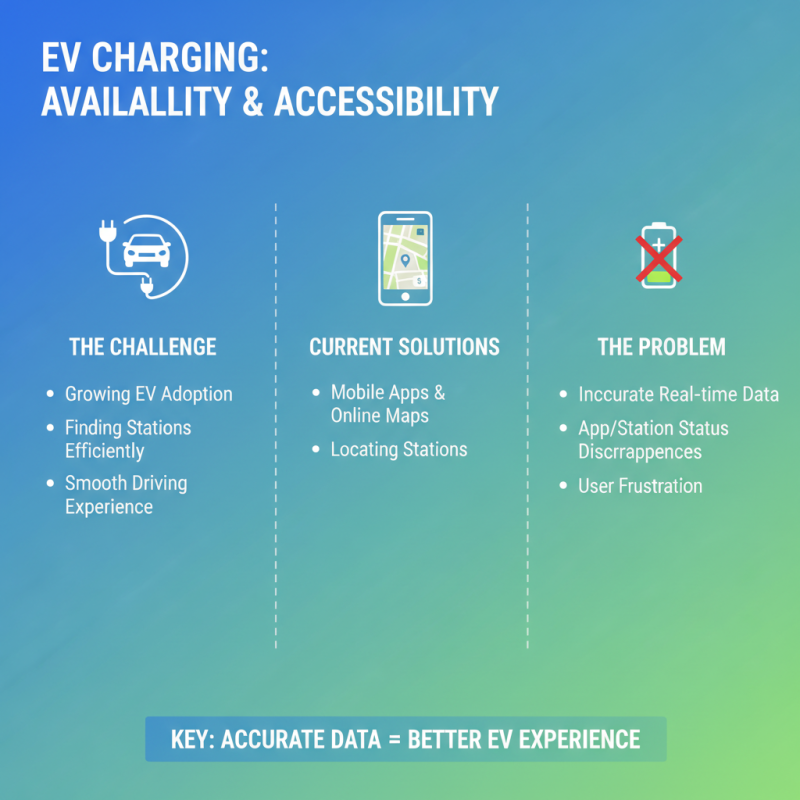
As electric vehicle adoption grows, finding charging stations efficiently is crucial. Assessing availability and accessibility is key to enjoying a smooth driving experience. Many charging stations can be located via mobile apps or online maps. However, not all apps provide accurate data on real-time availability. Users often report discrepancies between app info and actual station status.
Accessibility varies greatly between locations. Some stations are positioned in busy areas, making them hard to reach during peak hours. Others might have limited parking spaces. It’s wise to plan ahead and consider factors like peak times and location amenities. Some stations may not have easy access for larger vehicles or those requiring accessibility features. Understanding local infrastructure can save time and frustration.
Real-world experiences highlight the importance of preparedness. Users should check multiple sources before heading to a charging station. Sometimes, stations are inoperative or occupied; this can lead to delays. Keeping an open mind about alternative charging locations is beneficial. Each journey can teach valuable lessons about planning and adaptability in the expanding landscape of electric vehicle charging.
Planning a route with electric vehicle charging stations requires careful consideration. Many modern navigation systems come with built-in features to locate charging points. However, these tools can sometimes lead to confusion. The distance to the nearest station might not reflect current availability.
When selecting a route, consider charging times. Some stations offer fast charging, while others do not. A location that seems convenient may require longer wait times. It’s important to check online reviews or user feedback about specific stations. This can help avoid unexpected delays.
Additionally, map out charging points ahead of time. Relying solely on navigation apps can be risky. Outdated information can lead to frustration. Always have a backup plan in case a station is full. Exploring multiple charging options ensures a smoother journey. You may discover new locations or hidden gems along your route.
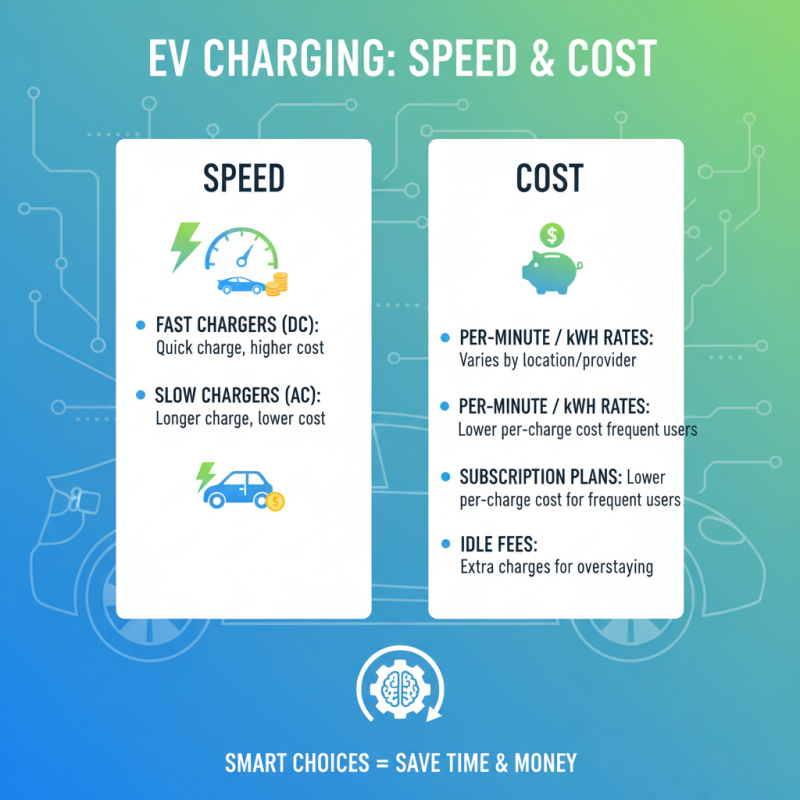
When searching for electric vehicle charging stations, speed and cost are crucial factors. Charging speed can vary widely across different stations. Some locations offer fast chargers, while others provide slower options. Understanding this can help drivers make informed choices.
Cost is another significant consideration. Charging fees can differ based on the location and the charging speed. Some stations charge by the minute, while others have a flat fee. Drivers must also consider their vehicle's battery capacity. A larger battery might incur higher costs at faster stations.
Exploring charging stations involves trade-offs. While convenience is important, the cheapest option may not always align with speed. Sometimes, stations that are less popular can offer faster charging speeds. It’s helpful to research stations beforehand. Balancing speed and expense depends on each driver’s unique needs and preferences.