Why You Should Install an Electric Car Charger Station at Home?
As electric vehicles rise in popularity, the need for convenient charging solutions becomes essential. An Electric Car Charger Station at home offers numerous benefits that cater to the eco-conscious consumer. Imagine waking up to a fully charged vehicle, ready to take on the day. Moreover, the convenience of charging your car in your own garage cannot be overstated.
Many homeowners may wonder if the initial investment is worth it. The truth is, having your own Electric Car Charger Station can lead to significant savings over time. Charging at home often costs less than using public stations. However, this decision also brings certain responsibilities, such as ensuring the infrastructure is correctly installed.
While some may fear potential technical issues, a reliable Electric Car Charger Station can enhance your lifestyle. It's crucial to choose a trusted provider. An efficient installation process is vital, and further maintenance ensures long-term functionality. For many, the benefits of sustainable living and easy access to power outweigh possible inconveniences.
Benefits of Installing a Home Electric Car Charger Station
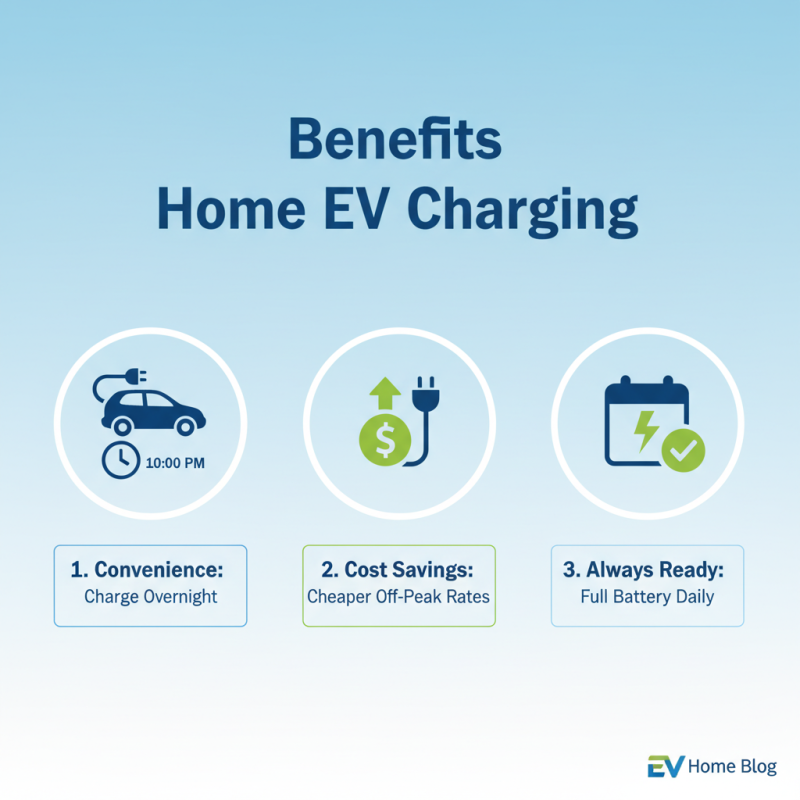
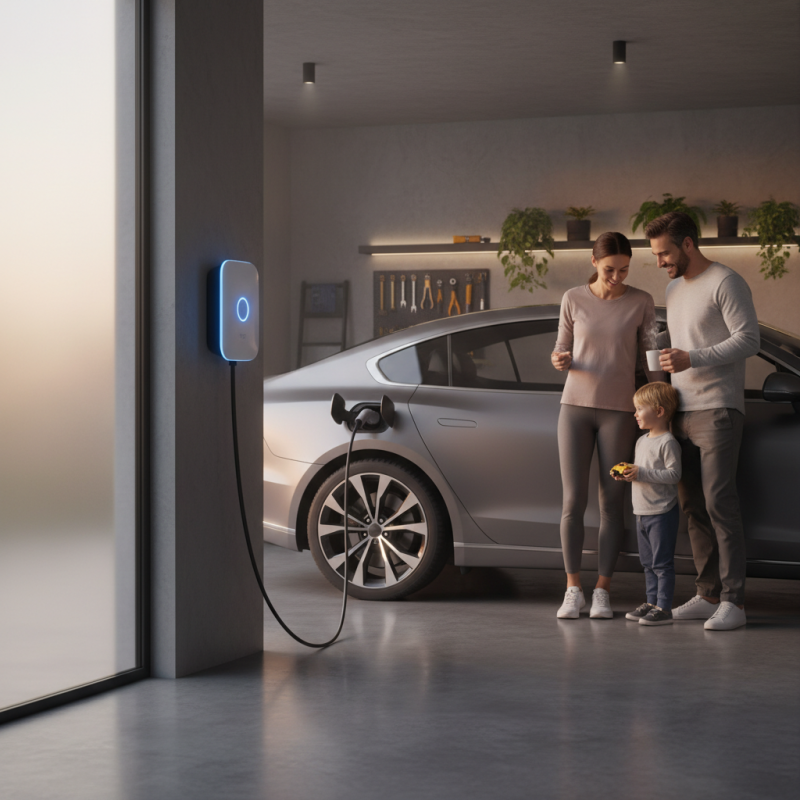
Installing a home electric car charger station offers numerous advantages. It provides convenience, allowing you to charge your vehicle overnight. This means waking up to a fully charged car each day, ready for your commute or errands. Additionally, charging at home can be significantly cheaper than using public charging stations, especially during off-peak hours when electricity rates are lower.
Consider the installation process. It is essential to hire a qualified electrician to ensure it meets safety standards. A reliable charger can also enhance your home’s value. Many potential buyers look for energy-efficient features, and an electric car charger is an attractive addition.
Tip: Check local incentives. Some municipalities offer rebates or tax credits for installing electric car chargers. Researching options can save you money.
Another point to reflect on is the space needed for installation. Assess the area in your garage or driveway to accommodate the charger and your vehicle. This planning can prevent future complications or safety hazards.
Tip: Schedule regular maintenance. Like any home appliance, your charger needs upkeep. Ensuring it operates efficiently saves money in the long run and extends its lifespan.
Factors to Consider Before Installation of an Electric Car Charger
When considering the installation of an electric car charger at home, several factors come into play. Assessing your existing electrical system is crucial. Ensure your home’s wiring can handle the additional load. If necessary, consult an electrician for an upgrade. This step enhances safety and efficiency.
Location matters. Choose a spot that allows easy access to your vehicle. A sheltered area can protect your charger from weather elements. Think about future needs as well. Will you acquire more electric vehicles? Planning for expansion can save costs later.
Tips: Research local regulations regarding charger installations. Some areas have guidelines that must be followed. Also, consider the charging speeds available. A faster charger can be more convenient but might require a significant investment. Finally, think about the overall aesthetic of your home. A well-placed charger can complement your property’s look. Make informed decisions to maximize your installation’s benefits.
Why You Should Install an Electric Car Charger Station at Home? - Factors to Consider Before Installation of an Electric Car Charger
| Factor |
Description |
Estimated Cost ($) |
Installation Time (Hours) |
| Home Electrical Capacity |
Check if your home’s electrical system can support the charger. |
Free - $300 |
1-2 |
| Location |
Optimal placement for easy access and convenience. |
N/A |
1 |
| Type of Charger |
Level 1 vs Level 2 chargers and their charging speed. |
300 - 1,200 |
2-4 |
| Permits and Regulations |
Check local codes and whether permits are needed. |
$100 - $500 |
1-3 |
| Budget |
Overall budget including the charger and installation costs. |
1,000 - 2,500 |
3-6 |
Types of Electric Car Chargers Suitable for Home Use
When installing an electric car charger at home, it’s important to consider the various types available. Level 1 chargers are basic and use a standard household outlet. They provide around 2-5 miles of range per hour, making them suitable for overnight charging. This option is convenient for those who drive short distances daily. However, it does take longer to charge an electric vehicle fully.
Level 2 chargers are the most popular choice among homeowners. They require a dedicated circuit and can be installed by a qualified electrician. These chargers deliver 10-60 miles of range per hour. This means a full charge can often be achieved overnight. It’s an excellent option for families with multiple electric vehicles. However, installation costs can vary widely. Some homeowners may find them expensive or complicated.
DC fast chargers are the quickest but are usually installed in commercial settings. They are not typically feasible for residential use due to their high power requirements. For those serious about electric driving, though, they can be beneficial. It’s important to evaluate which type best fits your lifestyle and needs. Take time to research and weigh your options carefully.
Cost Analysis of Home Charger Installation versus Public Charging
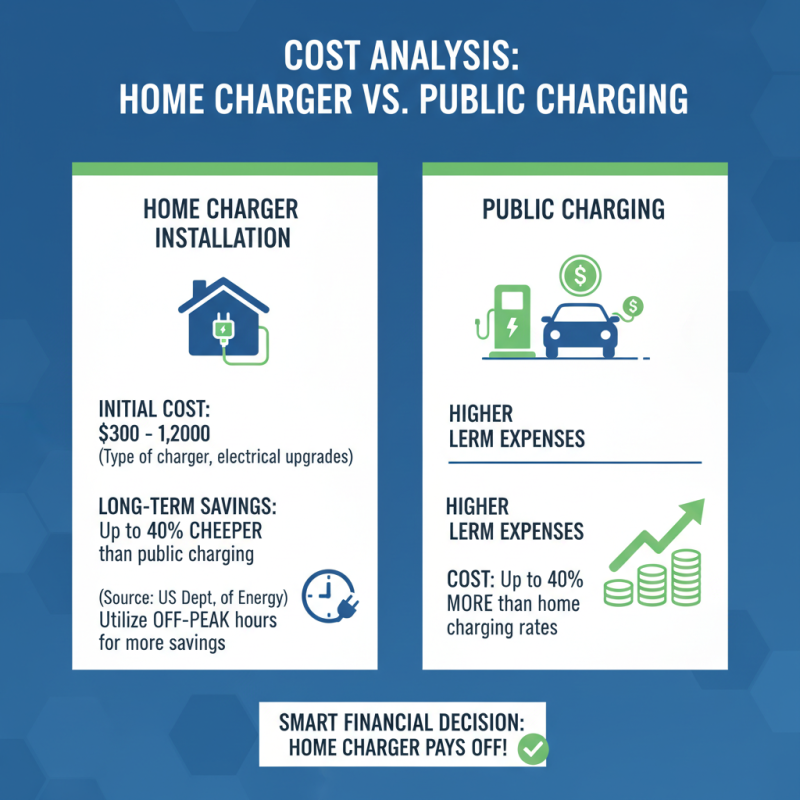
Installing an electric car charger station at home can be a smart financial decision. The initial cost of installation typically ranges from $300 to $1,200, depending on various factors, such as the type of charger and electrical upgrades needed. In contrast, frequent public charging can lead to higher long-term expenses. According to the U.S. Department of Energy, public charging can cost up to 40% more than home charging rates. Homeowners can draw power during off-peak hours for more savings.
Moreover, studies indicate that about 80% of electric vehicle users prefer charging at home. This convenience reduces time spent at public charging stations. However, potential buyers must consider the local electricity costs, which can vary significantly. In some areas, savings may take longer to realize, raising questions about the initial investment. With the rise of electric vehicles, it’s essential to stay aware of local infrastructure developments that might affect charging station availability.
Analyzing the cost-effectiveness of home charging versus public options reveals a complex landscape. Though installation costs may seem daunting, the combined savings on electricity and reduced travel time can make home charging more appealing. Yet, the long-term benefits depend on individual circumstances and local energy rates. Engaging with local amendments and improvements in charging infrastructure will provide better insights into future plans. Decisions should be based on geographic and financial factors unique to each household.
Enhancing Property Value with a Home Electric Car Charging Station
Installing an electric car charger station at home can significantly enhance your property value. According to a recent study from the Electric Vehicle Infrastructure Task Force, homes with charging stations can see an increase in value by up to 4%. This rise in value is largely attributed to the growing demand for electric vehicles. As consumers prioritize sustainability, homes equipped with charging solutions are more attractive.
A home charging station also reflects modern living. It signals to potential buyers that the property is future-ready. Many young millennials prioritize sustainable options. Therefore, featuring a home charger can set your property apart in a competitive market. Real estate experts note that properties with charging capabilities tend to sell faster than those without.
Tip: Consider the placement of your charger. A well-located charger in the garage can enhance convenience. Ensure it is easy to access and does not disrupt the flow of the space.
While installing a charger may require an initial investment, the long-term benefits often outweigh the costs. Future home buyers will likely see the value in a property that supports their eco-friendly lifestyle. Yet, be mindful of installation requirements and potential electrical upgrades. It's essential to consult with professionals to avoid overlooking critical details. The process may be intricate, but the results are rewarding.