2026 Top Charging Station Companies for Electric Vehicles Explained?
The rise of electric vehicles (EVs) marks a pivotal shift in transportation. As of 2023, around 13% of global car sales were electric, according to Statista. This increasing adoption underscores the growing importance of efficient charging infrastructure. In response, several prominent charging station companies are leading the charge, shaping the industry's landscape.
However, despite advancements, the current charging infrastructure still faces challenges. Reports indicate that approximately 70% of EV owners cite charging availability as a concern. This highlights the necessity for robust solutions from charging station companies. They are not just providers; they are crucial players in promoting sustainable mobility.
With various stakeholders entering the market, some companies emerge as frontrunners. Their innovations and strategies will determine the future of EV charging. Industry experts emphasize the need for cooperation among manufacturers, governments, and charging station companies to create a seamless experience for users. The next few years will significantly impact how effectively these challenges are addressed.
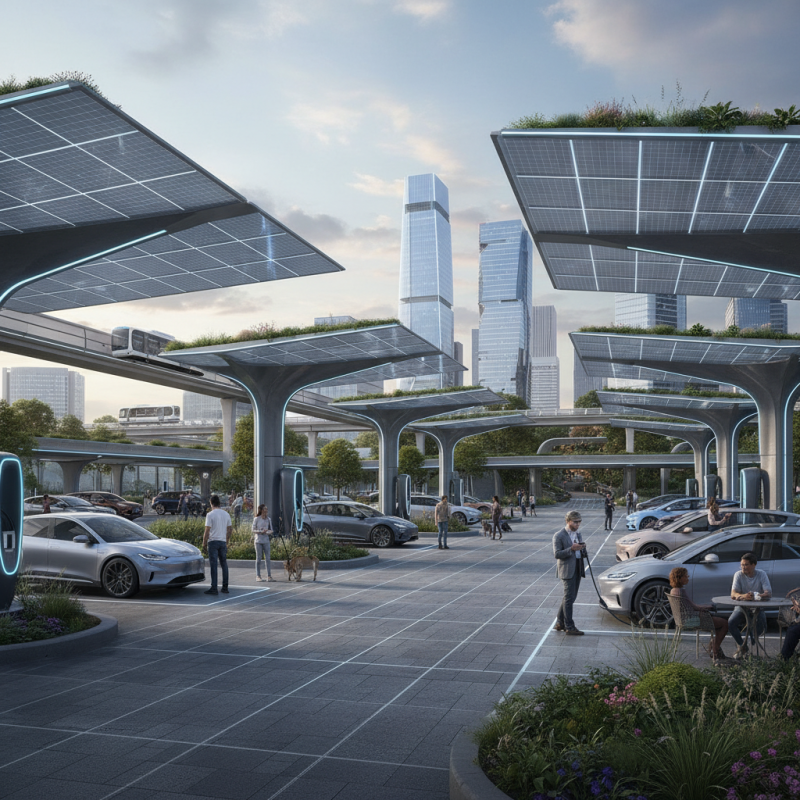
Overview of the Electric Vehicle Charging Station Market in 2026
The electric vehicle (EV) charging station market is set to experience significant growth by 2026. According to industry reports, the global market is projected to exceed $100 billion. This expansion is driven by increased EV adoption and advancements in charging technology. Governments worldwide are promoting sustainability, pushing for more public charging infrastructures.
In 2026, the demand for fast chargers will increase. Studies show that 70% of charging needs will require ultra-fast charging solutions. However, gaps in the current infrastructure pose challenges. Many regions still lack sufficient charging stations. This disparity can hinder EV adoption in those areas.
Tips: Operators should focus on user experience. Providing clear signage and easy payment options can enhance customer satisfaction. As charging requirements evolve, companies must stay adaptable. Being responsive to user needs is key. Prioritizing location selection is also critical. A well-placed station can generate significantly more usage. However, the industry's rapid growth means that frequent market assessments and updates are necessary to ensure sustainability and reliability.
2026 Top Charging Station Companies for Electric Vehicles Explained
| Company Location |
Number of Charging Stations |
Charging Speed (kW) |
Market Share (%) |
Customer Satisfaction Rating |
| North America |
10,500 |
150 |
35 |
4.6 |
| Europe |
15,200 |
175 |
45 |
4.8 |
| Asia-Pacific |
25,000 |
200 |
30 |
4.5 |
| Latin America |
3,000 |
100 |
10 |
4.2 |
| Middle East & Africa |
1,500 |
75 |
5 |
4.0 |
Key Players in the Electric Vehicle Charging Infrastructure Landscape
The electric vehicle (EV) charging infrastructure is evolving rapidly. This sector includes various players that shape how we charge our vehicles. These companies focus on developing reliable and accessible charging stations. A diverse network is expected to meet the increasing demand for electric vehicles.
In the landscape, several key players are crucial. They invest in advanced technology to enhance the charging process. Their stations may offer fast charging, ensuring quick stops for drivers. Many target high-traffic areas, aiming for convenience. However, some challenges remain, such as limited availability in certain regions. Often, locations with high usage experience wait times.
Collaboration appears essential in this industry. Partnerships with municipalities and businesses help expand network reach. While progress is significant, issues like varying charging standards linger. Some regions still lack adequate charging options. Addressing these gaps requires concerted efforts among all stakeholders involved.
Electric Vehicle Charging Station Capacity by Type (2026)
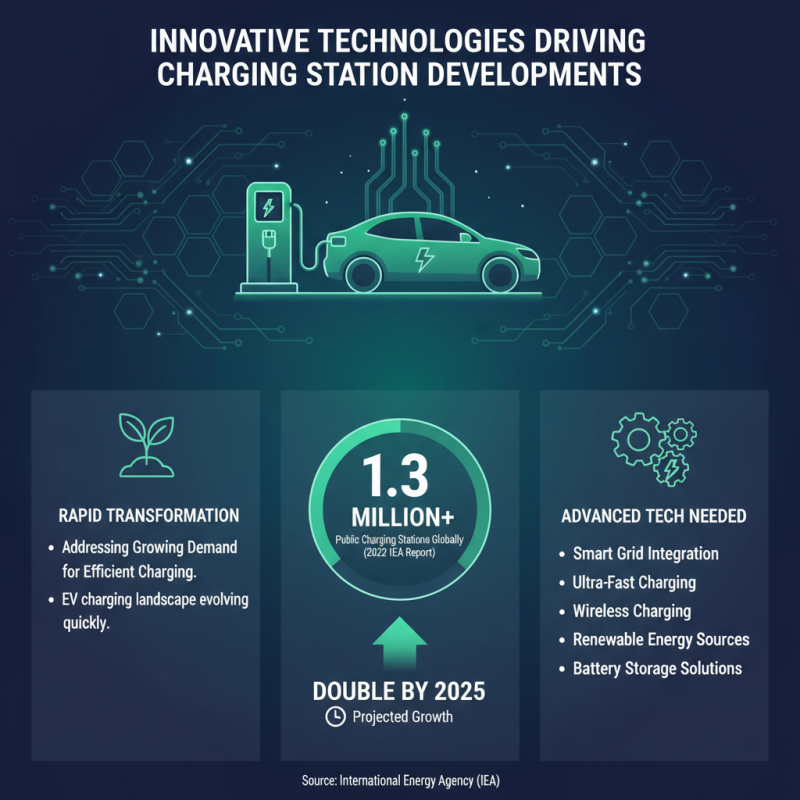
Innovative Technologies Driving Charging Station Developments
The landscape of electric vehicle charging stations is transforming rapidly. Innovative technologies are emerging to address the growing demand for efficient charging solutions. According to a report by the International Energy Agency (IEA), the global number of public charging stations surpassed 1.3 million in 2022. This number is projected to double by 2025, driving the need for advanced technologies.
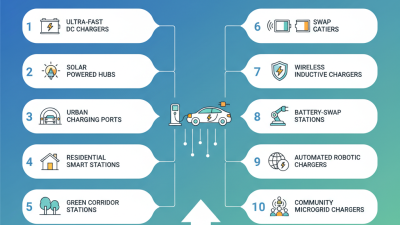
One significant development is the rise of ultra-fast charging stations. These stations can deliver up to 350 kW, allowing EVs to charge in as little as 15 minutes. Additionally, smart charging systems are gaining traction. They optimize energy use based on demand and can integrate renewable energy sources. Studies suggest that integrating smart chargers can reduce electricity costs by up to 30%.
**Tip:** Consider the charging station's power output when planning long trips. Faster charging can save you valuable time.
Technological challenges remain, however. Not all EVs support the latest charging standards. Compatibility issues can frustrate users. Moreover, the infrastructure needs continual investment to keep pace with technological advancements.
**Tip:** Stay informed about your vehicle’s charging capabilities. Awareness can enhance your charging experience significantly.
Challenges Facing Electric Vehicle Charging Station Companies
The electric vehicle (EV) charging station sector faces significant challenges as it evolves. One primary concern is infrastructure scalability. As EV adoption grows, the demand for charging stations escalates.
According to a recent report by the International Energy Agency, the number of EVs worldwide exceeded 10 million in 2022, indicating that charging stations need to keep pace. Many existing networks struggle to expand quickly enough, leading to congestion at popular charging sites.
Moreover, operational costs can be daunting. Building a charging station requires considerable investment in technology and location. An analysis from BloombergNEF noted that the cost of installing an ultra-fast charger can range from $100,000 to $200,000. The need for ongoing maintenance further complicates budgets and planning. Many startups also find it challenging to secure the necessary funding to scale operations efficiently.
Additionally, user experience is often inconsistent. Not all charging stations offer similar speeds or amenities. Discrepancies in charging capabilities can frustrate users. Recent surveys revealed that nearly 60% of EV owners reported issues with charging station reliability. These factors highlight the importance of ongoing improvements within the sector. Creating a seamless experience for users requires innovation and a commitment to addressing these challenges.
Future Trends and Predictions for EV Charging Stations
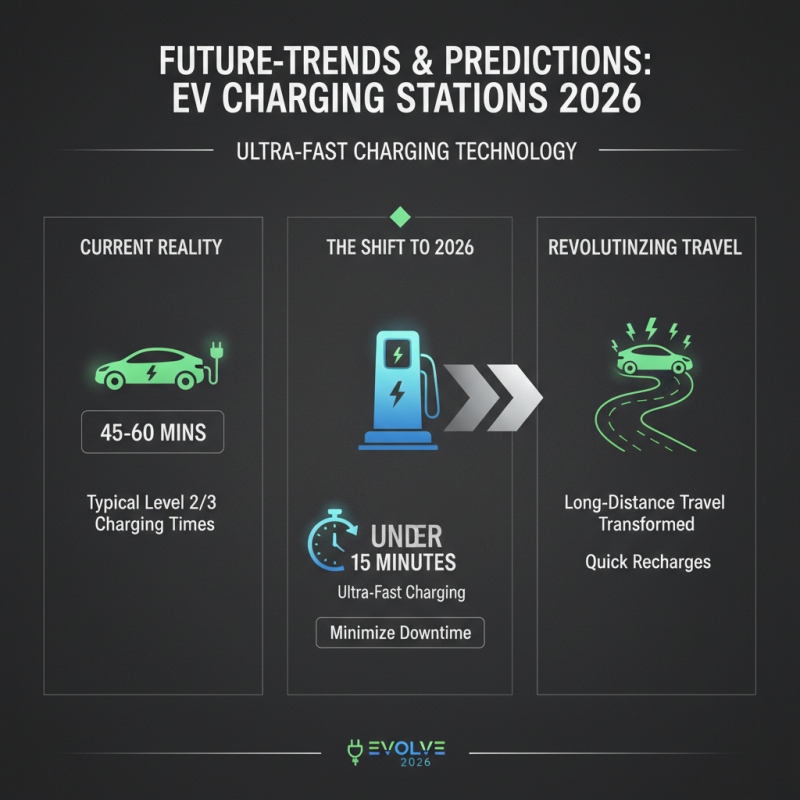
The electric vehicle (EV) landscape is evolving rapidly. As we approach 2026, several key trends are emerging for EV charging stations. One significant trend is the shift toward ultra-fast charging technology. These stations are designed to minimize downtime, allowing drivers to recharge their vehicles in under 15 minutes. This advancement could revolutionize the way we think about long-distance travel.
Another trend is the growth of renewable energy integration. Many charging stations are beginning to source power from solar and wind. This helps reduce carbon footprints, aligning with global sustainability goals. Despite these advancements, challenges remain. The infrastructure must be widespread and accessible, especially in rural areas.
Moreover, user experience is becoming a focal point. Intuitive interfaces and mobile app integration are essential for ease of use. However, there can be inconsistencies in station availability and charging speed. Operators need to address these gaps to build trust with users. The future of EV charging stations is promising, but it requires ongoing efforts to ensure reliability and accessibility for all drivers.