Choosing an Ev Charging Gun is not just a matter of matching a plug to a vehicle. Global buyers also need to consider charging speed, cable length, handle comfort, build quality, and local connector compatibility. Standards and vehicle inlets vary by market, so product details should be checked against the vehicle and charger manufacturers’ specifications. Fit matters.
This guide to the Top 10 EV Charging Guns for Global Buyers compares practical features that affect everyday use. A handle should feel secure, even with damp hands. A longer cable can reach a driveway parking spot, but it may also be heavier to move and store. Look closely at rated current, material quality, temperature monitoring, and protection against dust or water. Small details matter.
The ranking is a starting point, not a universal verdict. Published ratings cannot show how a cable feels after repeated use or how easily a supplier answers technical questions. That uncertainty deserves attention. Buyers should confirm connector type, electrical ratings, warranty terms, and support availability before ordering. They should also ask for clear test records and product documentation, rather than relying on a sales description alone. Not every attractive specification tells the full story. A careful comparison can narrow the options, but the best choice depends on the vehicle, charging equipment, climate, and daily routine. This shortlist aims to make those trade-offs easier to see, while leaving room for buyers to verify what matters most.
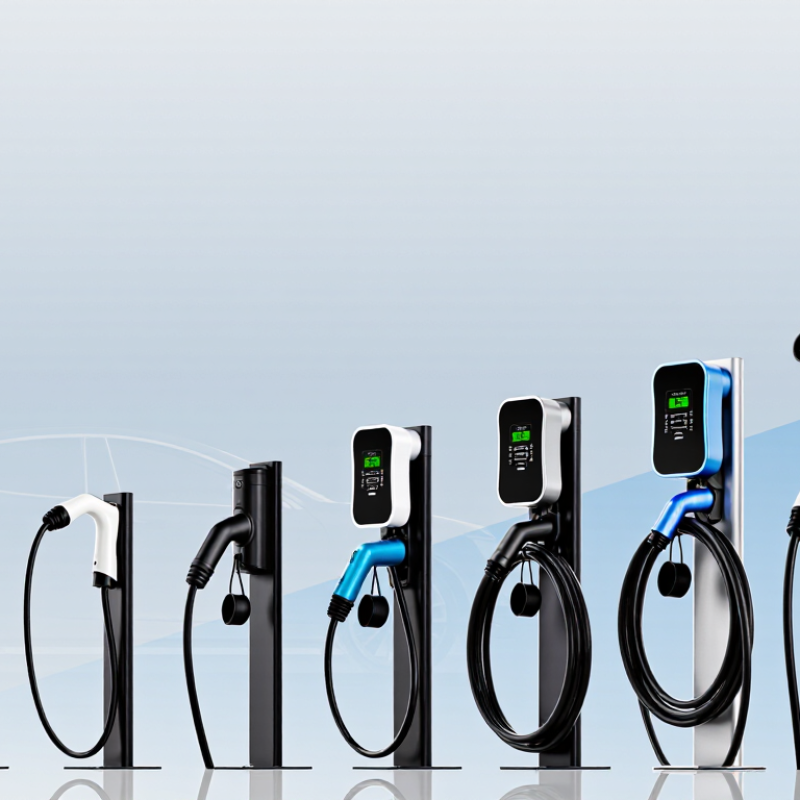
Charging guns generally fall into AC and DC types. AC models send alternating current to the vehicle’s onboard charger, which converts it for the battery. DC models deliver converted current from the charging equipment, supporting higher charging power. Connector shapes and pin layouts vary by region and charging standard, so “universal” is not always universal. A gun typically includes a durable housing, conductive pins, a cable, a locking mechanism, seals, and communication contacts. Some designs also monitor temperature near the contacts.
The charging process starts with a connection check. The vehicle and charger exchange information about compatibility and allowable power. Safety checks can include grounding, insulation, and temperature monitoring. Power then increases within the limits of the vehicle, charger, and cable. If a fault appears, the system can reduce or stop current. The details differ across equipment, so confirm technical specifications rather than judging by appearance alone. Small differences matter.
Tips: Check connector type, rated current, cable length, and environmental protection before buying. Inspect the pins and seals for wear, especially after frequent outdoor use. Keep cables uncoiled during high-power charging. I have seen buyers focus on headline power ratings; that can miss a practical issue, such as a cable that is awkward to handle in cold weather.
Global markets use different charging interfaces, so a charging gun that fits one vehicle may not fit another. IEC 62196-2 defines common AC plugs, including Type 2, while IEC 62196-3 covers DC connectors such as CCS. North American vehicles often use Type 1 for AC or CCS1 for DC; many European vehicles use Type 2 or CCS2. China’s GB/T system uses its own connector specifications. Regional patterns are useful, but they are not guarantees.
The IEA’s Global EV Outlook 2024 reports nearly 14 million electric-car sales in 2023, about 18% of worldwide car sales. As fleets grow, compatibility checks matter. Small details matter. Confirm the vehicle inlet, not just the country where the vehicle was sold. Then check the charger’s AC or DC output, voltage range, current rating, and communication support.
CCS2, for example, combines a Type 2-shaped upper section with additional DC contacts. Yet a matching plug alone cannot ensure a successful charge; vehicle limits and charger settings also affect operation. Imported cars and older models can complicate assumptions. I would verify the vehicle manual or a dependable compatibility database before ordering, and allow for regional variants. Standards simplify selection, but real-world fit can still be messy.
Comparing EV charging guns across markets starts with the vehicle interface, not the advertised power. Connector shape and pin arrangement must match both the vehicle and the charging station; regional connector families are not interchangeable. Check AC and DC capability separately, since a gun suitable for one may not support the other.
Ratings matter. Confirm voltage, current, and temperature limits against the vehicle inlet and station specifications. A peak-current figure alone can mislead if it applies only under particular conditions.
Operating conditions matter just as much. A gun used outdoors in a cold, wet climate needs suitable weather protection, while frequent charging in hot conditions makes thermal management especially important. Look for clear ingress-protection ratings and documented operating-temperature ranges.
Cable length and flexibility deserve a hands-on check: a stiff cable can be awkward around a low-mounted inlet or a tight parking space. Small detail, big difference.
Compare regional conformity documents and test reports, and verify that the seller specifies the intended market. A tidy spec sheet still leaves gaps; some listings omit cable durability or maintenance details. Ask for those details before comparing prices, and weigh service support alongside the initial cost.
A practical shortlist covers Type 1, Type 2, and GB/T AC guns, plus CCS1, CCS2, GB/T DC, and CHAdeMO connectors. Two useful variants are liquid-cooled CCS guns for high-power sites and ruggedized DC guns for fleet depots. Type 1 often suits single-phase home charging; Type 2 supports common AC installations across many markets. CCS and GB/T DC designs serve faster public charging, while CHAdeMO remains relevant where compatible vehicles and stations are already in service. Fit matters.
The International Energy Agency’s Global EV Outlook 2024 reports that public charging points grew by more than 40% in 2023, passing four million worldwide. This expansion makes connector compatibility, rated current, temperature monitoring, and cable durability important purchasing checks. A liquid-cooled cable can support higher power with a slimmer, lighter feel, but adds system complexity. Outdoor stations also need robust sealing and handles that remain manageable in rain or cold. Check the cable.
A ranking is imperfect: the right gun depends on vehicle inlets, local charging standards, site power, and daily use. Home users may prioritize easy handling and reliable AC charging. Highway operators may value high-power DC performance and replaceable wear parts. Fleet managers should test repeated connections, cable reach, and cleaning needs during real shifts. No connector is universal, and an attractive power rating alone does not guarantee a good fit.
A charging gun should match the vehicle inlet and the charging equipment, not just look familiar. Connector shapes and communication requirements vary by market. Check the vehicle manual and charger specifications before comparing models. A plug that fits physically may still be incompatible. That detail is easy to miss.
For safety, check the gun’s rated current, cable capacity, temperature protection, and weather resistance. Ratings should suit the installation and local conditions; a wet driveway or freezing morning can expose weak materials quickly. Look for clear certification information applicable to the destination market. Also inspect the handle: it should lock securely, release smoothly, and feel stable without excessive force. Small details matter.
Regional fit goes beyond the connector. Confirm voltage, phase, and AC or DC use with a qualified installer when needed. Cable length deserves a real-world check: measure from the charging point to the parked vehicle, allowing room for bends and movement. Too-short cables strain the connection; very long ones can be awkward to store. A polished spec sheet is not the whole story. I would still compare warranty terms and replacement-part availability, because even a well-rated gun can wear out.
Representative charging power for common connector configurations (kW)
These figures are representative examples, not universal connector limits: delivered power depends on the vehicle, charger, voltage, current, and local installation. Before choosing a charging gun, confirm that its connector matches the vehicle and target market, and check its current rating, temperature protection, ingress protection, and applicable regional certification.