What is an Ev Charger and How Does It Work?
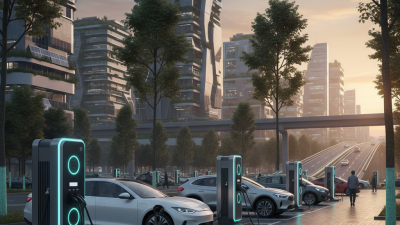
Electric vehicles (EVs) are changing the automotive landscape. Central to this shift is the EV Charger. As the demand for EVs rises, understanding EV Chargers becomes crucial. According to a recent report by the International Energy Agency, the number of public charging points has grown to over 2 million worldwide in 2022. This growth must keep pace with the increasing number of EVs on the road.
James Walker, an EV charging expert, states, “The success of electric vehicles hinges on accessible and efficient charging infrastructure.” His insight highlights the critical role of EV Chargers in promoting sustainable transportation. The technology behind these chargers varies widely, from basic Level 1 chargers to fast DC chargers that can significantly reduce charging time.
Despite the apparent benefits, issues remain. Many users face range anxiety due to limited charging stations in certain areas. Additionally, inconsistent charging speeds and interface complexities can deter potential EV owners. As the industry evolves, addressing these challenges is imperative for wider adoption of EV technology.
What is an EV Charger?
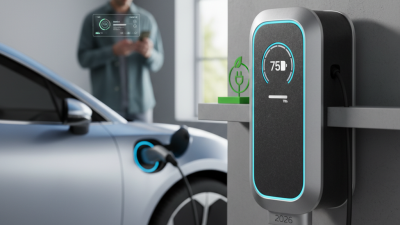
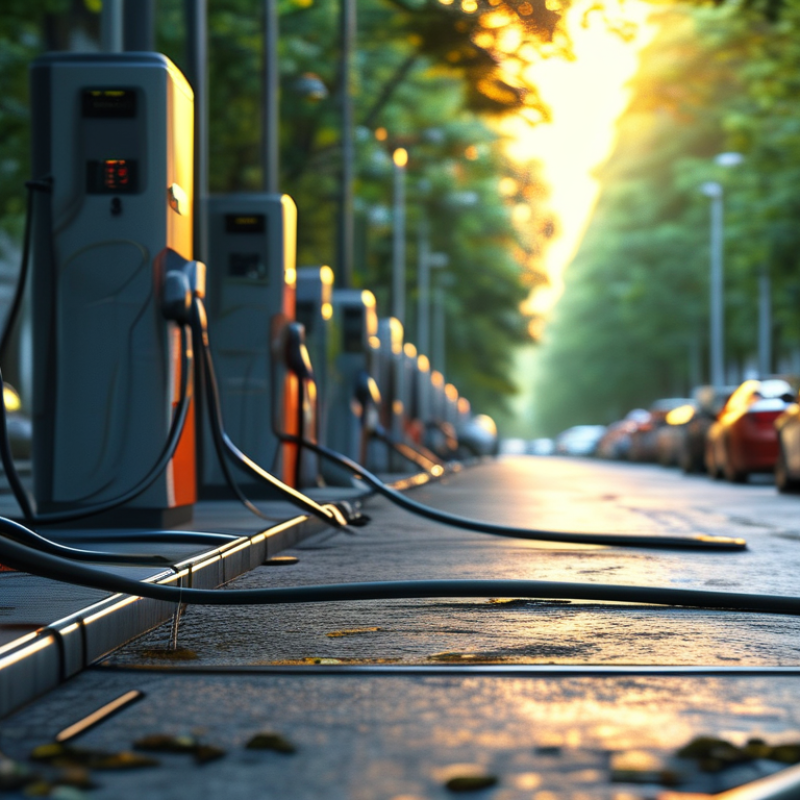
An EV charger is a device that provides electric energy to plug-in electric vehicles. They vary in types and charging speeds, influencing how quickly an electric vehicle can recharge. According to the International Energy Agency, electric vehicle sales rose to 6.6 million in 2021, indicating a growing demand for efficient charging solutions.
These chargers generally fall into three categories: Level 1, Level 2, and DC fast chargers. Level 1 chargers use a standard 120-volt outlet, suitable for home use, while Level 2 chargers require 240 volts and offer faster charging times. DC fast chargers are designed for quick top-ups, providing up to 80% charge in about 30 minutes. A report from the U.S. Department of Energy highlights that public charging infrastructure is crucial for the expanding EV market.
**Tips:** Always check the charging speed compatibility of your vehicle. Using the correct charger maximizes efficiency and battery longevity. Remember, frequent use of fast chargers can impact battery health over time. Establishing a home charging system can reduce reliance on public stations and offer convenience.
Types of EV Chargers Available Today
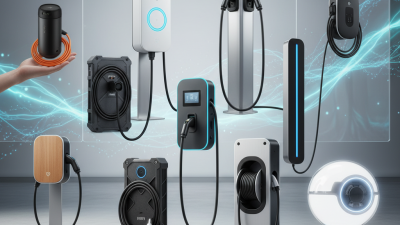
Electric Vehicle (EV) charging technology has evolved significantly. Today, there are three main types of EV chargers:
Level 1,
Level 2, and
DC Fast Chargers.
Level 1 chargers are the most basic. They use a standard 120-volt outlet. This method is convenient but slow. Charging can take up to 12 hours for a full charge, depending on the battery size.
Level 2 chargers operate on a 240-volt circuit. They are commonly found in homes and public charging stations. Charging times can range from 4 to 6 hours. According to the U.S. Department of Energy, Level 2 chargers account for around 80% of the charging stations available. Their popularity lies in the balance of speed and accessibility.
DC Fast Chargers provide rapid charging. They can restore up to 80% battery power in 30 minutes. However, they are expensive to install and often found in commercial locations. A report by the International Energy Agency noted that the number of DC Fast Chargers has grown annually, but still only accounts for 7% of all charging stations. The infrastructure needs improvement to support increasing EV adoption. As interest in EVs grows, organizations should address these gaps for a sustainable future.
How EV Chargers Convert Electricity for Vehicles
Electric vehicle (EV) chargers play a vital role in powering the growing fleet of electric cars. They convert electrical energy from the grid into a format that can be used by EVs. This process involves taking high-voltage direct current (DC) or alternating current (AC) and adjusting it to match the requirements of the vehicle's battery. According to the International Energy Agency, global EV sales reached 6.6 million units in 2021, highlighting the need for efficient charging solutions.
An EV charger typically includes a transformer and various control systems. These components help to manage voltage levels and ensure safe charging. For instance, level 2 chargers can provide up to 240 volts and charge an EV in approximately four to six hours. In contrast, fast chargers can deliver up to 800 volts, significantly shortening charge times to around 30 minutes. However, not all EVs can handle such high input levels.
Despite advancements, the charging infrastructure faces challenges. Many regions still lack sufficient charging stations, which can deter potential EV buyers. An Electric Vehicle Charging Infrastructure report revealed that 39% of consumers cite charging availability as a key concern. The current landscape reveals that while the technology is advancing, practical limitations in infrastructure raise questions about accessibility and convenience for everyday users.
Installation and Maintenance of EV Chargers
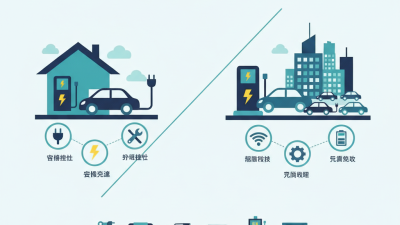
The installation of electric vehicle (EV) chargers is key to supporting the growing EV market. A report from the International Energy Agency indicates that EV sales reached 6.6 million in 2021. With such growth, the infrastructure must keep pace. Residential installations are often the most convenient. However, they require proper electrical assessment to ensure compatibility with home wiring.
Maintenance of EV chargers is crucial for longevity and safety. Regular inspections help identify wear and tear. According to industry standards, chargers should undergo checks at least once a year. Visual inspections can catch loose connections or signs of damage early. Keeping connections clean prevents performance issues. However, some users may overlook these tasks, risking their equipment’s efficiency.
Installing a charger can be straightforward. Still, a lack of guidelines can lead to mistakes. Many people underestimate the need for professional help. Electricians can ensure compliance with local regulations. Proper installation ensures safety and optimal performance. A poorly installed charger can affect charging speed and safety. Planning for sufficient electrical capacity is essential for future-proofing. With foresight, the transition to EVs can be smoother.
Benefits of Using EV Chargers for Electric Vehicles
Electric vehicle (EV) chargers are essential for modern electric vehicles. Their use brings numerous benefits for users and the environment. A significant advantage is the reduction of greenhouse gas emissions. According to the International Energy Agency, EVs can contribute to a 70% decrease in CO2 emissions compared to traditional vehicles. This shift supports global efforts to combat climate change while improving air quality in urban areas.
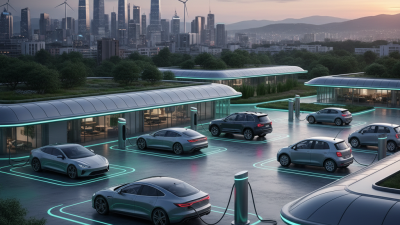
EV chargers come in various types, offering flexibility for different needs. Level 2 chargers are prevalent in residential areas, providing a quick way to recharge for daily use. Public charging stations are also on the rise, making long-distance travel more feasible for EV owners. In 2023 alone, the number of public charging points increased by 25%, according to the Department of Energy. Opting for an EV charger not only enhances convenience but also supports the growing EV infrastructure.
Tips: Monitor charging times to optimize costs. Charging during off-peak hours can result in lower electricity bills. Explore local incentives for installing home chargers; many states offer rebates. Staying informed about local developments in charging technology can lead to better choices for EV users.