
Top 10 New Energy Charging Stations for Global Buyers?
Choosing among the Top 10 New Energy Charging Stations requires more than comparing charging speed. Global buyers must examine reliability, connector compatibility, installation conditions, software support, and long-term operating costs. A powerful station may perform poorly in extreme heat, crowded depots, or regions with unstable electricity. Real-world suitability matters.
This guide evaluates New Energy Charging Stations through practical purchasing criteria. These include output capacity, AC and DC charging options, safety protections, weather resistance, payment integration, remote monitoring, and maintenance access. It also considers certification records and manufacturer support, because imported equipment needs dependable documentation. A station installed beside a busy highway faces different demands from one serving an apartment garage.
Field experience often reveals details that brochures omit. Cable weight can frustrate daily users. A bright display may become unreadable under direct sunlight. Firmware updates may require stable connectivity. These small issues can influence customer satisfaction and operating revenue. Not every high-rated model will suit every market.
The selection also reflects professional research, supplier information, technical specifications, and buyer-focused comparisons. However, performance claims should be verified through local testing and independent inspection. Rankings can change as charging standards, electricity prices, and vehicle adoption develop. That is worth remembering. This overview offers a practical starting point, not a universal verdict. Buyers should confirm grid requirements, local approvals, warranty coverage, spare-part availability, and total ownership costs before signing a purchase agreement.
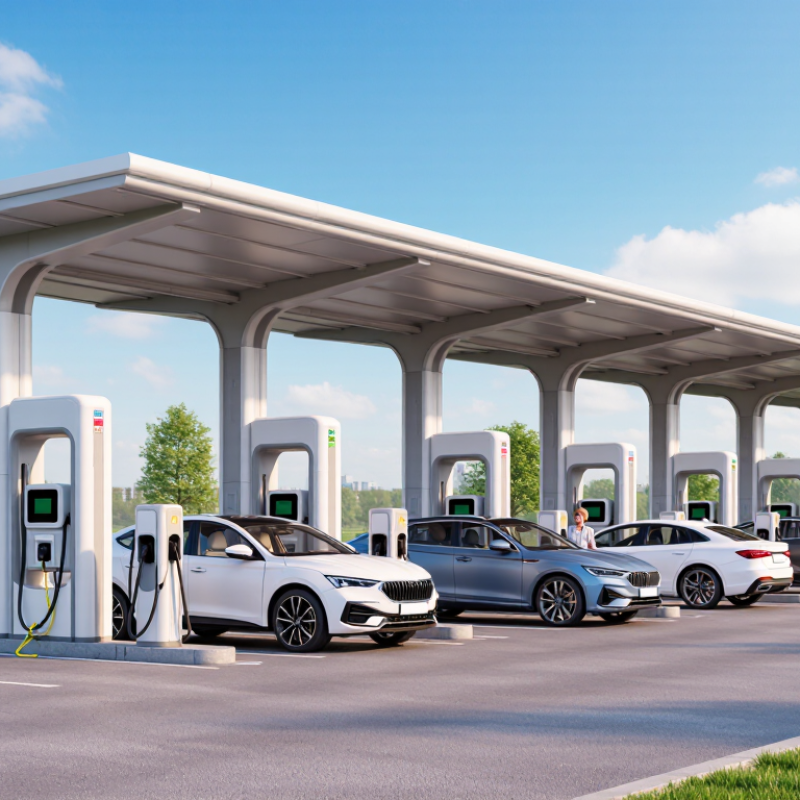
What New Energy Charging Stations Are and How They Work
A new energy charging station supplies electricity to electric vehicles through controlled charging equipment. It may draw power from the utility grid, solar panels, battery storage, or a combination of sources. The station adjusts voltage and current before energy reaches the vehicle. Safety checks run continuously.
There are two common charging methods. AC charging sends alternating current to the vehicle, where its onboard charger converts it into usable battery power. DC fast charging performs this conversion inside the station, allowing energy to reach the battery more directly. Charging speed depends on station output, vehicle limits, battery temperature, and the battery’s state of charge. Faster is not always better.
The process begins when the vehicle and station communicate through the charging connector. They confirm compatibility, available power, and basic safety conditions. A battery management system then monitors temperature, voltage, and current. If a risk appears, charging can stop automatically. Smart stations can balance several vehicles, reduce peak electricity demand, and record energy use for operators.
Global buyers should examine connector compatibility, local electrical codes, weather protection, network reliability, maintenance access, and warranty terms. A station rated for harsh outdoor conditions may still fail without proper drainage or ventilation. Real sites are messier. Solar generation can change quickly, and grid capacity may be limited. Some specifications also look impressive but provide little value in daily operation. Testing equipment under local conditions remains essential.
Related Posts
-
How to Choose Smart Charging Stations for Global Buyers
-
How to Choose New Energy Vehicle Charging Stations?
-
What Are the Top 10 Electric Vehicle Charging Stations?
-
Why Do Global Buyers Need Public Charging Stations?
-

7 Smart Charging Piles Buying Tips for Global Buyers
-
Why Choose Private Charging Piles for EV Fleets?
-

Phone
-

E-mail
-

Whatsapp
-

Top