Top Tips for Choosing the Best Commercial Charging Stations?

Choosing the right Commercial Charging Stations can be challenging. The market is growing rapidly, and options are numerous. Industry expert Dr. Emily Carter states, "The right charging solution can enhance customer satisfaction and boost your business."

Selecting a charging station involves understanding your specific needs. Will you cater to electric vehicles for customers or fleet vehicles? Consider the location as well. High-traffic areas tend to attract more users. Quality and reliability are key factors. Seek stations from reputable manufacturers to ensure consistency in performance.

Moreover, evaluating the technology is essential. Does the station support fast charging? Is it compatible with various vehicle models? Some stations even offer payment processing features. Weigh these functionalities against your budget. Always keep future technology in mind; the electronics industry evolves quickly. Reflect on what your business truly needs versus what’s trending. Making the right choice can have a lasting impact on your operations and customer experience.
Top Tips for Choosing the Best Commercial Charging Stations?

Understanding Commercial Charging Stations: Types and Features

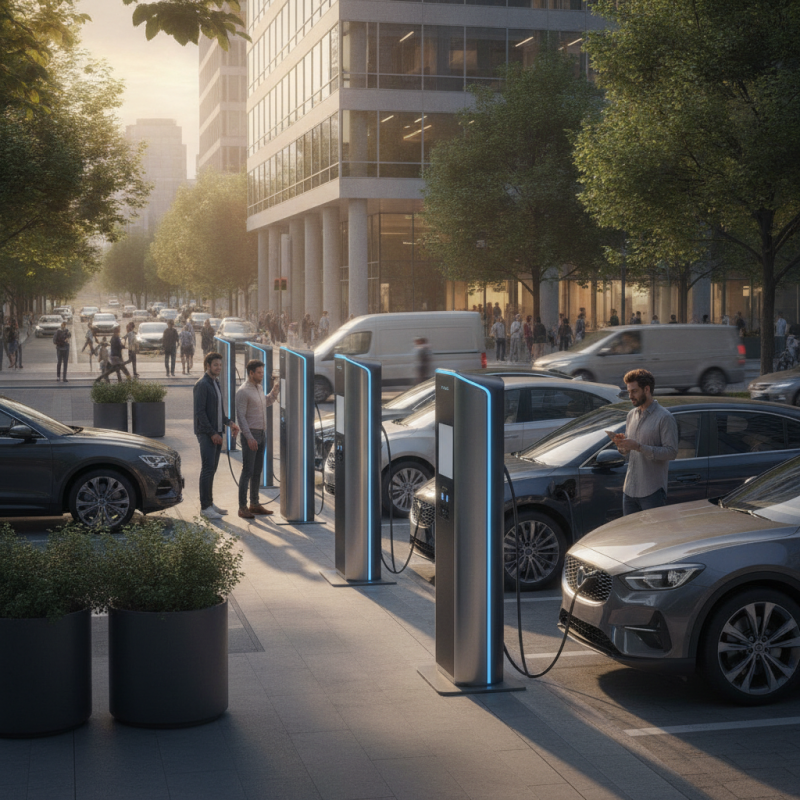
When selecting a commercial charging station, understanding the types and features is crucial. There are several types of charging stations available. Level 2 chargers are common for commercial use, providing faster charging. They typically deliver 240 volts and can fully charge most electric vehicles (EVs) in a few hours. Meanwhile, DC fast chargers can significantly reduce this time, charging an EV up to 80% in as little as 30 minutes. According to a recent report by the International Energy Agency, the number of public charging points continues to grow rapidly, with over 1.5 million global public chargers expected by 2025.

Features to consider include connectivity and payment options. Stations with smart technology allow remote monitoring and usage analytics. This data helps businesses optimize charging usage, increasing efficiency. Payment structures vary; some may require memberships or allow pay-per-use. Though this convenience is appealing, businesses must assess their target audience's preferences. An overly complex payment system could deter potential users. Furthermore, a recent survey indicated that 62% of EV users prefer seamless payment options, emphasizing the need for user-friendly interfaces.

Installation considerations matter as well. The site’s electrical capacity often limits the number of chargers. Not every location is ready for high-demand charging. Businesses may need to upgrade their electrical systems, which requires careful planning and investment. Understanding these types and features can make a significant difference in selecting the right charging infrastructure for commercial needs.
Evaluating Power Output: Determining Charging Speed Requirements

When evaluating power output for commercial charging stations, charging speed is crucial. A station’s output determines how quickly vehicles can recharge. According to the U.S. Department of Energy, Level 2 chargers typically provide 10-20 miles of range per hour, while DC fast chargers can deliver up to 100 miles in just 30 minutes. Such data highlights the importance of matching the charging speed with the needs of the operation.

Consider the average dwell time of vehicles. If cars stay for limited periods, fast charging stations become essential. However, not all locations need ultra-fast chargers. Some might benefit from Level 2 chargers for overnight uses. It’s vital to assess the specific needs of your user demographic. A study by the International Energy Agency emphasizes that user behavior varies significantly, impacting charging station choice.

Moreover, reviewing regular maintenance reports can reveal inefficiencies. Some users may report longer charge times due to older data on power delivery. Ongoing evaluation ensures optimal performance. Understanding the local infrastructure matters too. A proper examination of power supply can prevent operational hiccups. Investing in the right power output is not a one-size-fits-all approach, and flexibility is key in this evolving landscape.

Assessing Installation Requirements and Site Considerations

Top Tips for Choosing the Best Commercial Charging Stations?

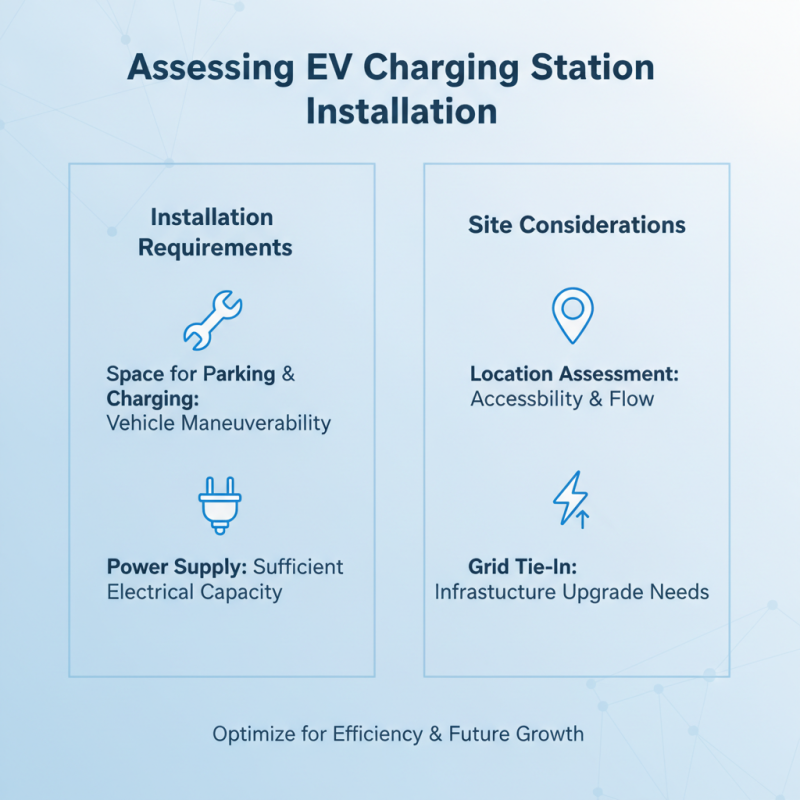
When selecting commercial charging stations, installation requirements and site considerations play significant roles. Assess the location carefully. Is there enough space for vehicles to park and charge? Evaluate power supply options. Insufficient power can hinder operations.

Consider the type of chargers needed: Level 2 or DC fast chargers? Planning for future growth is essential. A site that seems adequate now may not meet demand later. Think about user convenience. Installations should be easily accessible to minimize wait times.

Here are some tips to guide the decision. Ensure proper signage directs users to charging stations. Also, consider potential shade and weather exposure; these elements can impact usability. Lastly, remember that maintenance is crucial. Regular checks can mitigate downtime and enhance reliability. Your site’s layout can affect how effectively customers use the service. Preparing for fluctuations in usage patterns is wise.

Identifying Networking and Payment Solutions for Charging Stations

Top Tips for Choosing the Best Commercial Charging Stations?

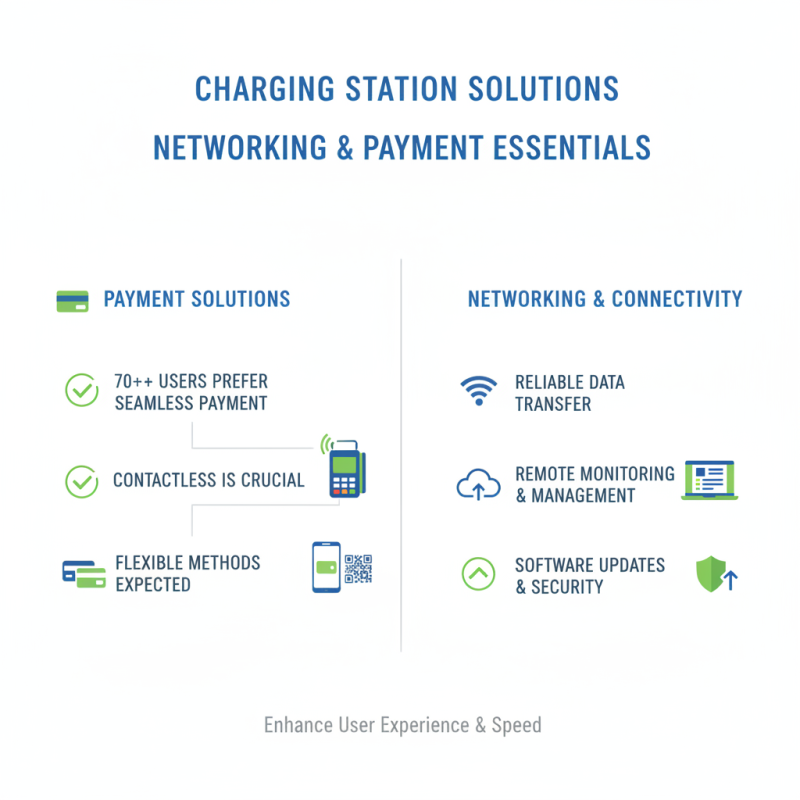
When selecting commercial charging stations, networking and payment solutions play vital roles. Research indicates that over 70% of users prefer stations with seamless payment options. Contactless payments are now essential. They enhance user experience and speed up transactions. Many customers expect flexibility in payment methods.

Compatibility is crucial for networking solutions. Choose charging stations with open networks. This approach allows integration with various management systems. In fact, studies show that open networks increase customer satisfaction by 30%. However, not all charging stations support this feature. It’s important to assess this before making a decision.

Lastly, consider future scalability. The EV market is growing rapidly. By 2030, EV usage is expected to triple. Stations should support multiple charging types and be ready for upgrades. Flexibility can save costs and time in the long run. Planning for future demand can prevent reactive solutions that might not meet needs or standards.

Reviewing Manufacturer Reputation and Warranty Options

When selecting commercial charging stations, evaluating manufacturer reputation is vital. Research shows that 65% of users prioritize trust in the brand. A company's history in the market often reflects its reliability. Look for manufacturers with years of experience and positive customer feedback. Reports indicate that companies with a good reputation tend to have lower rates of product failure.

Warranty options are another significant factor. A study noted that 72% of businesses consider warranties a key decision point. These warranties provide peace of mind, demonstrating the manufacturer's commitment to quality. Standard warranties typically range from one to five years. Longer warranties may indicate greater confidence in the product's durability. However, be cautious; some policies may have hidden clauses that limit coverage.

In a rapidly evolving industry, it’s worth noting that technologies can become obsolete within a few years. Thus, selecting a manufacturer who commits to updates or support can enhance your investment. Not all manufacturers offer this, making it crucial to ask about long-term support and maintenance. Reliable manufacturers should provide transparent information about their products and policies.