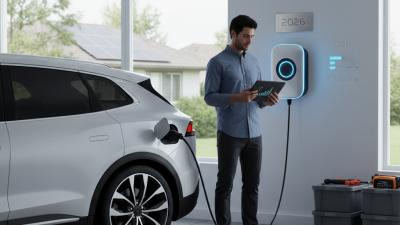
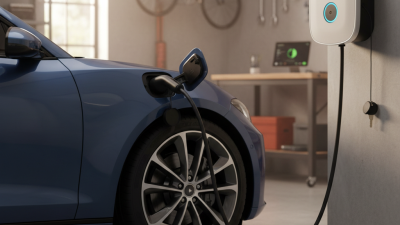
2026 How to Choose the Best EV Charger for Your Needs?
As electric vehicles (EVs) gain popularity, choosing the right EV charger becomes essential. An EV Charger can significantly impact your charging experience. There are numerous options available, each catering to different needs and situations. Understanding these chargers ensures you make an informed decision.
Evaluating your lifestyle and driving habits is vital when selecting an EV charger. Factors like charging speed, installation requirements, and cost should influence your choice. For instance, a home charger might suit daily commutes, while public chargers are beneficial for long-distance travel. However, you might encounter challenges such as space constraints or electrical capacity.
Also, consider the environmental aspects of your charger. A reliable charger should maintain efficiency and compatibility with your EV model. In this evolving market, it's easy to feel overwhelmed by the choices. Reflecting on your unique requirements will help clarify your options. Ultimately, selecting the best EV charger means balancing your needs with what’s available.
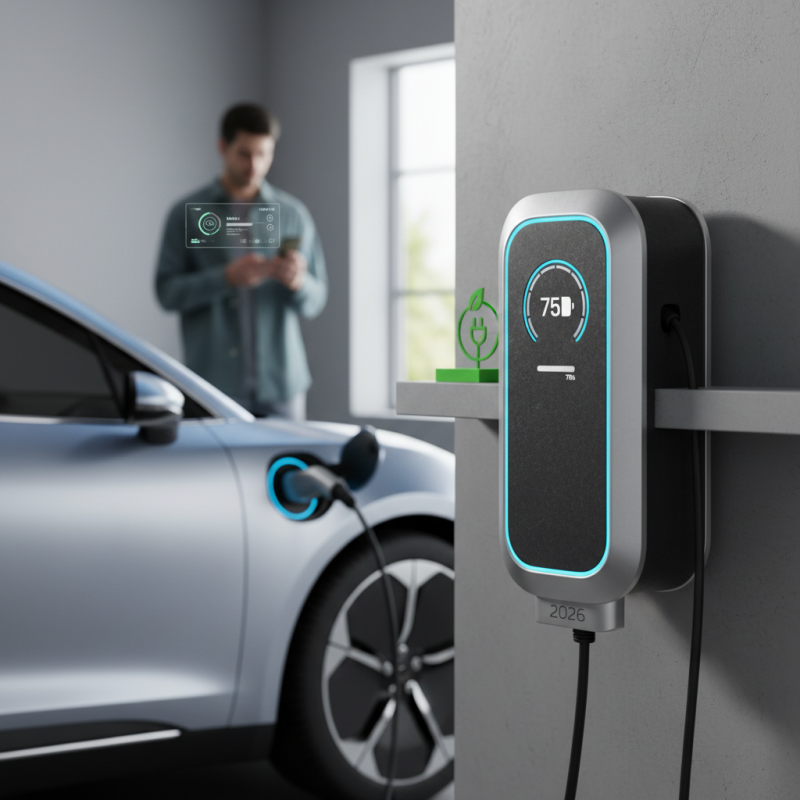
Factors to Consider When Choosing an EV Charger
When choosing the best EV charger, several factors play a crucial role. The charging speed is primary. Level 1 chargers are slower but easier to install. In contrast, Level 2 chargers offer faster charging but require specialized installation. Think about how often you need to charge. Daily commutes might need a Level 2 option, while occasional use may rely on a Level 1 charger.
Consider the location of your charger. It should be accessible but also safe from potential damage. Weatherproof options are ideal for outdoor settings. Evaluate your home’s electrical capacity as well. An electrical upgrade may be necessary for faster chargers. Ask an electrician if you need more information.
Also, think about the future. Do you plan to buy another EV? Will you need to charge multiple vehicles? Envisioning your future needs can help guide your decision. Remember that not all chargers are equal. Compatibility with your EV model is essential. Research local regulations as well. They may affect your charger installation and usage.
Types of EV Chargers: Level 1, Level 2, and DC Fast Charging
When selecting an EV charger, it's crucial to understand the various types available. Level 1 chargers use a standard 120-volt outlet and are the slowest option. They add about 4-5 miles of range per hour. For daily commuters, this might suffice. However, for those with larger batteries or frequent use, Level 1 may feel inadequate.
Level 2 chargers are a significant upgrade. Operating at 240 volts, they offer a charging speed of 10-60 miles of range per hour. According to the U.S. Department of Energy, these chargers are the most popular for home installations. They fit well for homeowners who recharge overnight. In contrast, DC Fast Chargers deliver rapid charging. They can replenish 60-80% of a battery in about 30 minutes. This is ideal for long-distance travel or urban charging stations. Many EV models are designed for compatibility with these fast chargers, allowing drivers to recharge quickly and efficiently.
In choosing the right charger, consider your typical driving habits. Charging at home can improve convenience. Yet the charging speed can impact your experience. Some users report frustration with slow charging speeds when time is limited. Balancing your needs with available infrastructure is essential for a satisfying EV ownership experience.
2026 How to Choose the Best EV Charger for Your Needs? - Types of EV Chargers: Level 1, Level 2, and DC Fast Charging
| Charger Type |
Charging Speed |
Voltage |
Best For |
Installation Cost |
| Level 1 |
2-5 miles of range per hour |
120 V |
Home charging, plug-in hybrid
vehicles |
Low, typically $100-$300 |
| Level 2 |
10-25 miles of range per hour |
240 V |
Home charging, public charging
stations |
Medium, typically $500-$1,500 |
| DC Fast Charging |
60-100 miles of range in 20
minutes |
400 V and higher |
Rapid charging, long-distance travel |
High, typically $10,000+ |
Understanding Charging Speed and Compatibility with Your EV
When considering an electric vehicle (EV) charger, understanding charging speed is crucial. Charging speeds vary significantly between different types of chargers. Level 1 chargers are the slowest, usually taking up to 20 hours for a full charge. In contrast, Level 2 chargers provide a much quicker solution, taking only a few hours. Fast chargers, often found at public stations, can recharge your EV in under an hour. Knowing these differences helps you decide based on your daily needs.
Compatibility with your EV is equally important. Not all chargers work with every EV model. Many modern vehicles support multiple charging standards, but checking your vehicle's charging port before purchasing is essential. Some homes might lack adequate electrical capacity for certain chargers. If you're uncertain, consulting with an electrician can provide clarity. Remember, investing in a charger that suits both your vehicle and your home’s electrical setup can save time and frustration. It’s a process that benefits from careful consideration and flexibility.
Charging Speed Comparison of EV Chargers
This chart illustrates the charging speeds of various types of EV chargers, helping you to understand which option might best suit your needs.
Evaluating Installation Requirements and Location Constraints
When choosing an EV charger, installation requirements and location constraints are crucial. Start by assessing your home’s electrical capacity. Many homes may need an upgrade to support a high-capacity charger. Consult an electrician to evaluate your current setup.
Next, consider the physical location of the charger. It should be conveniently close to your parking area. Avoid tight spaces that make access difficult. Outdoor installations need weather-resistant enclosures. Think about the availability of power supply and the potential need for conduit runs.
Remember that city regulations or homeowner association rules can affect your installation plans. Review these requirements before making decisions. While it can be tempting to overlook details, taking time to evaluate these factors will ensure a hassle-free experience. Each installation presents unique challenges, and sometimes adjustments are necessary. Understanding your space will guide you to the best solution.
Budget Considerations: Cost of Charger and Installation Fees
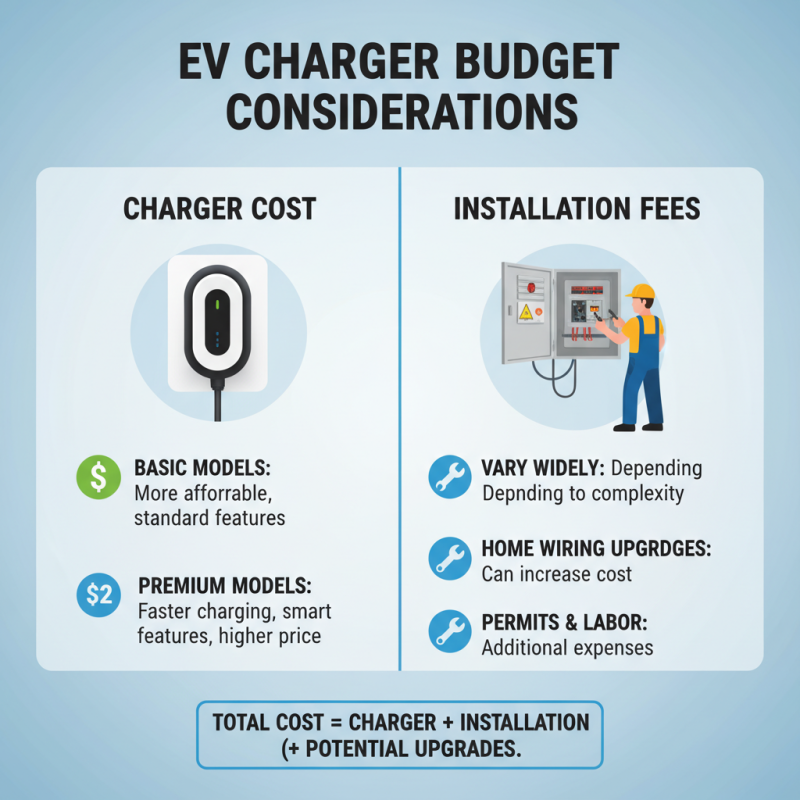
When deciding on the best EV charger, budget plays a crucial role. The cost of the charger itself can vary significantly. Basic models are affordable but may lack advanced features. Premium chargers offer faster charging and better functionality, often at a higher price.
Installation fees can add to your expenses. These fees depend on several factors, like your home's electrical system and location. Hiring a licensed electrician ensures a safe setup. Sometimes, local incentives can help reduce installation costs, so it’s wise to research available programs.
**Tip:** Calculate your total costs, including installation. A charger that seems cheap may not be the best long-term investment. Assess your typical driving patterns. You may not need the fastest charger if your daily mileage is low. Consider your home's layout too. A charger placed further from your panel can drive up installation expenses.