Why Choose an AC EV Charger for Your Electric Vehicle?
As the electric vehicle (EV) market continues to grow, the demand for efficient charging solutions is crucial. An industry expert, Dr. Emily Carter, states, "Investing in an AC EV charger is a smart move for both convenience and cost-efficiency." Her insights highlight the significance of choosing the right charging system for your electric vehicle.
AC EV chargers offer numerous benefits. They are widely available and compatible with most electric vehicles. This versatility ensures that users can easily find a charging station or install one at home. Additionally, AC charging is typically less expensive than DC fast charging. This cost-effectiveness makes it an attractive option for everyday drivers.
However, it’s essential to consider the limitations as well. While an AC EV charger is ideal for overnight charging, it may not be suitable for quick top-ups. Drivers who travel long distances must plan accordingly. Balancing convenience and charging times can lead to a better understanding of your needs. Choosing an AC EV charger is not just about the initial investment. It’s about integrating sustainable solutions into everyday life.
Understanding AC Charging Technology for Electric Vehicles
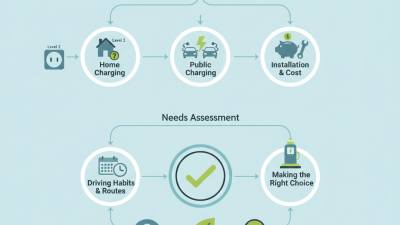
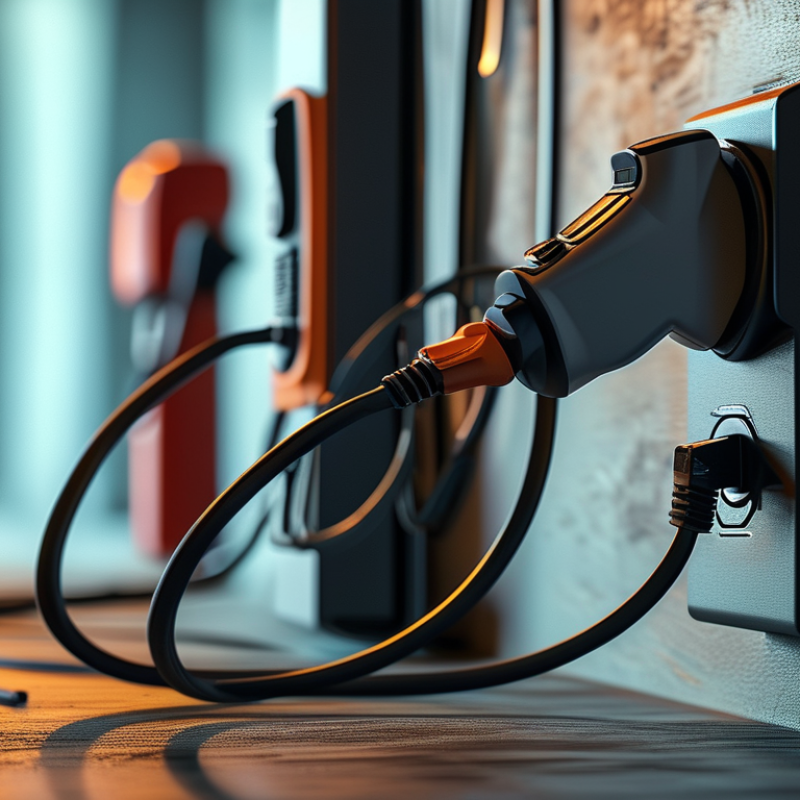
AC charging technology offers a practical solution for electric vehicle (EV) owners seeking reliable and efficient charging options. With AC chargers, the process is simple. Home or public charging stations convert alternating current to power the vehicle. This method enables flexibility in charging speeds to fit various needs and settings. The benefit lies in convenience; drivers can easily plug in and charge overnight or while parked.
Understanding the nuances of AC charging can enhance EV ownership. Level 1 chargers use standard household outlets. They provide a slow charge and are ideal for daily use. Level 2 chargers offer faster recharging times but require specific installations. The installation process can be challenging and sometimes costly, leading to reflections on overall accessibility. Exploring installation options is vital, as not all properties are equipped for optimal charging.
Reliability is a hallmark of AC charging. Many charging networks use this technology due to its widespread compatibility. However, it can still be frustrating when charging stations are occupied or malfunctioning. Issues with availability and infrastructure can be concerning. Evaluating overall charging habits and local charging infrastructure will help users make informed decisions. This reflection fosters a deeper connection with the EV experience.
Benefits of Using AC EV Chargers for Your Charging Needs
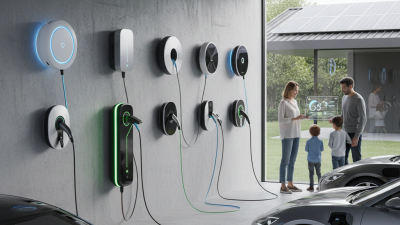
When it comes to charging your electric vehicle, AC EV chargers offer numerous benefits tailored to meet diverse needs. One major advantage is their compatibility. Most electric vehicles can utilize AC chargers efficiently. This widespread compatibility ensures that owners have access to various charging stations, particularly in residential areas.
AC chargers typically have lower installation costs compared to their DC counterparts. This affordability makes them a preferred choice for many homeowners. The installation process is straightforward and often can be done with existing electrical systems. Though it’s essential to evaluate your home’s electrical capacity, the benefits often outweigh the initial concerns.
Charging times with AC chargers may be longer, depending on the vehicle and charger type. However, many users find this is not a significant issue. Overnight charging transforms downtime into productive use of time. While some might question the efficiency of AC charging, the gradual energy transfer can extend battery life. This highlights a balancing act between speed and longevity.
Comparing AC Chargers to DC Chargers: Key Differences
When choosing between AC and DC chargers for electric vehicles, it's essential to understand the differences. AC chargers typically offer Level 1 or Level 2 charging options. Level 1 provides a slower charging experience, often using standard household outlets. Level 2 chargers are faster and commonly found in public charging stations. AC charging is more accessible and economical, making it ideal for home installations.
On the other hand, DC chargers are significantly faster. They convert AC power to DC, allowing for rapid charging. This is particularly beneficial during long trips when time is a crucial factor. However, DC chargers are often more expensive and less common than their AC counterparts. While they provide a quick boost, their availability is limited, and connectivity may not always be reliable.
In evaluating these options, it’s important to consider your lifestyle. If you drive short distances daily, an AC charger could meet your needs effectively. But for those who travel longer distances frequently, accessing a DC charger might be necessary. Charging speed, cost, and convenience strongly influence the right choice. Reflection on personal driving habits can guide proper decision-making.
Installation Considerations for AC EV Chargers at Home
Installing an AC EV charger at home presents unique challenges. Before diving into installation, consider your garage or parking space. Is there enough room for both the charger and your vehicle? These factors matter more than they seem.
Wiring is another crucial aspect. Check the existing electrical system. Does it support the charger’s requirements? You might need an upgrade. It’s vital to consult with qualified electricians. They can ensure safety standards are met.
Location plays a significant role, too. Position the charger for easy access to your vehicle. Weather protection is also necessary. Avoid locations prone to heavy rainfall or flooding. Such details can safeguard your investment and enhance charging efficiency. Balancing convenience and safety ensures a reliable charging experience.
Why Choose an AC EV Charger for Your Electric Vehicle? - Installation Considerations for AC EV Chargers at Home
| Feature |
Description |
Benefits |
| Charging Speed |
AC chargers typically provide a standard charging rate of 3.7 kW to 22 kW. |
Allows for overnight charging and is suitable for home use. |
| Installation Complexity |
Installation requires a dedicated circuit and may need electrical upgrades. |
Professional installation ensures safety and compliance with local code. |
| Cost |
AC chargers typically range in price from $400 to $1,000, plus installation. |
Lower upfront costs compared to DC fast chargers. |
| Compatibility |
Most EVs are compatible with standard AC chargers using Type 1 or Type 2 connectors. |
No need to worry about unique charging ports; ease of use with most EVs. |
| Smart Features |
Many AC chargers offer Wi-Fi or smartphone connectivity for monitoring usage. |
Allows users to track charging sessions and optimize energy use. |
Future Trends in AC Charging Solutions for Electric Vehicles
The trend towards AC charging solutions for electric vehicles (EVs) is gaining momentum.
AC chargers are known for their cost-effectiveness and widespread availability. According to a report by the
International Energy Agency, over 80% of EV charging happens at home or in workplaces. This statistic highlights the importance of
reliable AC charging infrastructure.
Recent data indicates that AC chargers can meet the charging needs of most daily commuters. For instance,
Level 2 AC chargers can typically deliver up to 10-30 miles of range per hour. This range is significant for urban drivers who often rely on short trips.
As a result, more companies and municipalities are investing in enhancing their AC charging networks, aiming to reduce
range anxiety among EV owners.
However, the future may present challenges. As EV adoption rises, the demand for charging solutions may outpace
current infrastructure. A study from McKinsey & Company predicts that the installation of public AC chargers needs to increase by
90% by 2030 to keep up with demand. This situation requires reflection on how to effectively
scale charging solutions in the coming years, ensuring they remain accessible and reliable for all users.