2026 Best Ac Ev Charger Options for Global Buyers?
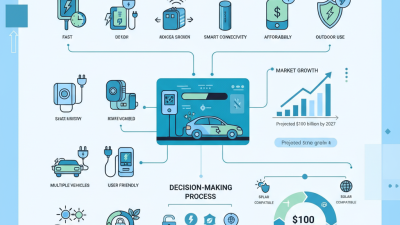
As global demand for electric vehicles (EVs) rises, the need for efficient charging solutions is critical. AC EV chargers have become a vital component in this landscape. According to a recent market research report, the AC EV charger market is expected to reach $30 billion by 2026. This growth highlights a significant shift towards sustainable transportation and renewable energy sources.
The versatility of AC EV chargers makes them suitable for both residential and commercial use. Many buyers seek reliable, user-friendly options to accommodate their charging needs. Despite the progress, some challenges persist in charger compatibility and installation logistics. Buyers often express concerns about the varying charger standards.
Additionally, the rapid evolution of technology brings forth new features. However, not all chargers offer the same performance level. Industry experts recommend thorough research and consideration of local infrastructure. With diverse options available, potential buyers should evaluate their specific requirements to ensure an informed choice. Understanding the landscape of AC EV chargers is essential for making smart investments in the future of electric mobility.
2026 Global Market Overview of AC EV Chargers and Their Demand Trends
The global market for AC EV chargers is evolving quickly. According to the latest industry reports, the demand for AC EV chargers is projected to grow by over 30% annually through 2026. This surge is mainly driven by increasing electric vehicle (EV) adoption. The rise in eco-conscious consumerism correlates with projections of over 30 million EVs on the roads by 2026, highlighting the necessity for efficient charging solutions.
Current data shows that Europe and North America lead in market adoption. In fact, Europe accounted for nearly 40% of AC charger installations last year. However, emerging markets in Asia are catching up rapidly. Challenges exist. Many regions still face infrastructure gaps, creating additional strain on manufacturers.
As innovation continues, manufacturers need to address key concerns. Features like faster charging and accessibility will become more crucial. The call for standardized solutions also grows louder. Buyers prioritize reliable and efficient chargers. The landscape remains competitive, and constant evolution is essential for meeting consumer demands.
Key Features and Specifications of the Best AC EV Chargers in 2026
As the electric vehicle market expands, selecting the best AC EV charger is crucial. Buyers should assess key features that enhance efficiency and convenience. Look for chargers offering adjustable power settings. This flexibility allows users to charge their vehicles at home during off-peak hours. Also, ensure compatibility with various EV models to maximize use.
Another vital feature is smart technology integration. Some chargers now come equipped with Wi-Fi or Bluetooth connectivity. This enables users to monitor charging status or use scheduling features via smartphone apps. Safety features, such as over-current protection and temperature monitoring, also contribute to a reliable charging experience.
While many options exist, reliability is essential. Some chargers may not perform well in extreme weather or high usage. Not every product claims to be user-friendly. Many users report complex installation processes or insufficient customer support. Additionally, consider the overall design. A bulky charger may not suit all settings. Attention to these details can significantly impact user satisfaction and overall charging experience.
Top Brands Dominating the 2026 AC EV Charger Market: A Comparative Analysis
The AC EV charger market is rapidly evolving, with significant competition among top brands. According to recent industry data, global sales of AC EV chargers are projected to reach $10 billion by 2026. This growth is attributed to the increasing adoption of electric vehicles worldwide. However, despite this positive trend, there are still gaps in charger availability and accessibility.
Analyzing the leading brands reveals key differences in technology and customer satisfaction. For instance, many consumers report that charging speed remains a critical factor in their purchasing decision. A survey indicated that nearly 70% of EV owners prioritize fast charging capabilities. Yet, not all brands consistently provide that experience. Some models take substantially longer, leaving users frustrated.
Additionally, the integration of smart features is becoming essential. Technological advancements such as mobile app connectivity and real-time monitoring can enhance user experience. Nevertheless, some brands fall short in delivering user-friendly apps or seamless connectivity. As consumers become more tech-savvy, their expectations will rise. The competitive landscape in 2026 demands brands to innovate continually. They must address these shortcomings to maintain market share.
Cost-Effectiveness and ROI: Evaluating AC EV Chargers for Global Buyers
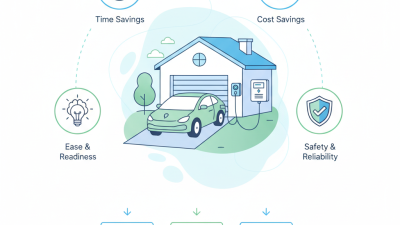
When evaluating AC EV chargers for global buyers, cost-effectiveness is crucial. Buyers need to understand initial costs, installation fees, and maintenance expenses. While some chargers may appear affordable, hidden costs can accumulate. Therefore, analyzing the total cost of ownership is essential.
Return on investment (ROI) is another vital consideration. An effective charger can save money over time through lower energy rates and fewer repairs. Buyers should look at efficiency ratings and charging speeds. Some models offer faster charging, which can be beneficial for frequent users. However, these options may come with higher upfront costs, leading buyers to weigh their needs carefully.
Additionally, geographic factors play a significant role in the decision-making process. Availability of local tax incentives or rebates can influence the financial outcome. Buyers should stay informed about policies in their region. It’s vital to reflect on individual driving habits and energy needs. Making a well-informed choice can lead to better satisfaction and higher savings in the long run. Balancing cost and convenience is key to successful investment in AC EV chargers.
2026 Best AC EV Charger Options for Global Buyers
| Type |
Charging Speed (kW) |
Cost ($) |
Installation Cost ($) |
ROI (Years) |
Warranty (Years) |
| Level 1 Charger |
1.4 |
300 |
200 |
10 |
1 |
| Level 2 Charger |
7.2 |
600 |
300 |
5 |
2 |
| DC Fast Charger |
50 |
20000 |
5000 |
2 |
3 |
| Home Smart Charger |
9.6 |
800 |
250 |
4 |
2 |
| Commercial Charger |
22 |
1000 |
1000 |
3 |
5 |
Future Innovations in AC EV Charging Technology: Trends and Predictions for 2026
In 2026, AC EV charging technology is set to undergo significant innovations. Trends show that chargers will be more efficient and user-friendly. Expect modular designs that allow for easy upgrades. This could enhance compatibility with various EV models.
One notable trend is the rise of smart charging stations. These stations will optimize energy consumption based on grid demand. They might even adjust charging rates during peak hours. Such features aim to reduce energy costs for users. However, relying heavily on technology can lead to vulnerabilities. Users should stay informed about potential software issues or cyber threats.
Tips for potential buyers: Prioritize compatibility with your vehicle. Look for chargers that support multiple EV standards. Take note of the installation requirements too. Not all setups are straightforward. Research local energy regulations, as they can affect charger efficiency.
As innovations unfold, consider the environmental impact of your charging solutions. Sustainable manufacturing practices may become the norm. Yet, it is essential to scrutinize the materials used in new chargers. Balancing innovation with eco-friendliness will be key for future developments.
2026 Best AC EV Charger Options for Global Buyers
This chart represents the projected performance metrics of the best AC EV chargers for global buyers in 2026. It includes key dimensions such as charging speed, efficiency, cost, compatibility with vehicles, and user ratings, offering insights into the trends and innovations anticipated in the market.