2026 Top Trends in DC Fast Charging for Global Buyers?
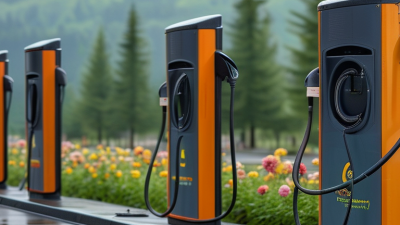
As the electric vehicle (EV) market continues to expand, the importance of DC Fast Charging (DCFC) has never been more pronounced. A recent report highlights that the global DC fast charging market is projected to grow at a compound annual growth rate (CAGR) of over 24% from 2021 to 2026. This growth underscores the urgent need for more efficient charging solutions to meet rising consumer demand.
Key innovations are emerging in DC Fast Charging technology. For instance, increasing power levels are enabling faster charging times, alleviating range anxiety for EV users. Companies are investing heavily in infrastructure, with projections showing that the number of DCFC stations could exceed 25,000 in the U.S. alone by 2025. However, challenges remain in standardization and compatibility across different EV models, which can hinder user experience.
Moreover, the transition to widespread DC Fast Charging may not be without its hurdles. As networks expand, issues regarding grid infrastructure and environmental impact must be addressed. The growth of this sector cannot overlook the need for sustainable practices. The industry's progress relies on balancing innovation with responsible deployment. The future of DC Fast Charging is bright, yet caution and reflection are necessary as we navigate this transformative landscape.
2026 Overview of DC Fast Charging Technology for Global Buyers
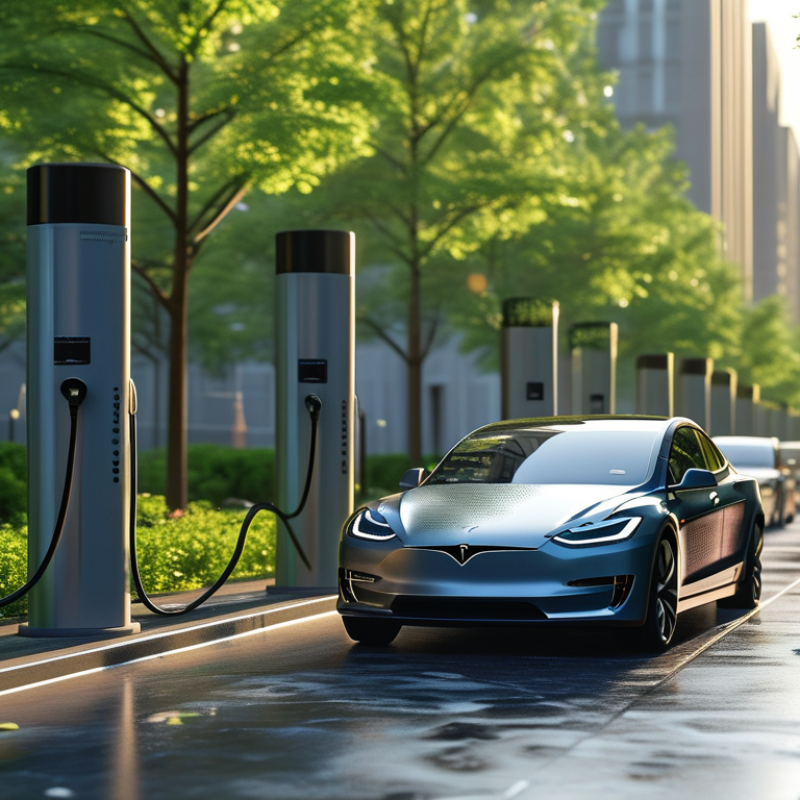
DC fast charging technology is evolving rapidly, pivotal for electric vehicle (EV) infrastructure growth. Reports indicate that the global market for DC fast chargers will reach nearly $29 billion by 2026, driven by increasing EV adoption. High power output enables quicker charging, enhancing user convenience. By 2026, fast chargers will predominantly feature power levels between 150 kW to 350 kW. This will substantially reduce charging time, attracting more EV users.
Battery technology advancements are essential for efficient fast charging. However, challenges remain. Many existing EV batteries may not support ultra-fast charging speeds without compromising their lifespan. Research shows that some high-capacity batteries can degrade significantly after just a few hundred fast charge cycles. This is a critical area for manufacturers to address to enhance battery durability.
In this landscape, buyers should consider several factors when investing in charging infrastructure. Assess the compatibility of chargers with various vehicle models. Also, evaluate the potential installation costs and necessary utility upgrades. Understanding regulatory standards is crucial. As policies evolve, compliance will impact operational costs. Preparing for these changes will ensure a smoother transition into the future of electric mobility.
2026 Overview of DC Fast Charging Trends
This bar chart illustrates the projected trends in DC fast charging technologies for 2026. Key areas of growth include public charging stations, home solutions, and enhancements in charging speed. The integration with renewable energy sources is also expected to see significant advancements, reflecting a broader shift towards sustainable energy solutions.
Key Innovations in DC Fast Charging Infrastructure for 2026
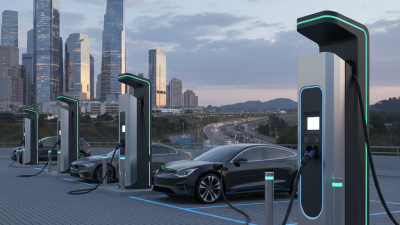
As the electric vehicle market continues to expand, the need for advanced DC fast charging infrastructure becomes increasingly crucial. In 2026, we can expect several key innovations that will significantly enhance the user experience and charging efficiency. For instance, ultrafast charging stations will gain popularity, capable of delivering 350 kW and more. This advancement allows vehicles to charge from zero to eighty percent in under 20 minutes, revolutionizing the concept of convenience in EV charging.
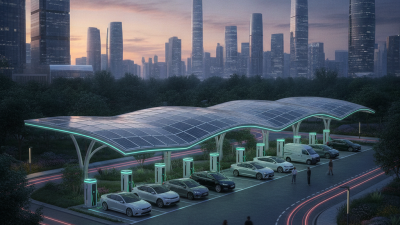
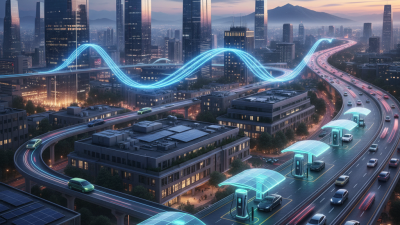
Infrastructure development is also set to advance dramatically. More charging stations will pop up in urban areas and along major highways, reducing the distance between charging points. This trend addresses range anxiety and encourages more drivers to switch to electric vehicles. Integrating renewable energy sources, like solar panels, into charging stations will help reduce carbon footprints. Such initiatives promote sustainability while ensuring a reliable power supply.
In transitioning to an electrified future, users should stay informed about the evolving landscape. Choosing locations with advanced charging networks can be beneficial. Evaluate the charging speeds and accessibility of stations before planning long trips. Regular updates on innovations are vital, as the landscape can change quickly. Adopting a proactive approach enables optimal utilization of available resources.
Market Trends and Demands Influencing DC Fast Charging Solutions
The current market for DC fast charging solutions is rapidly evolving. As electric vehicle (EV) adoption grows, there is a pressing need for efficient charging infrastructure. Market demands are shifting towards faster and more accessible charging stations. Fleet operators, commercial businesses, and urban planners are all looking for solutions that enhance user experience.
One key trend is the integration of renewable energy sources into charging networks. This approach not only addresses sustainability concerns but also minimizes costs. Collaborations between cities and electric utilities may lead to smarter grid management. However, challenges remain. Not all regions have the necessary infrastructure to support extensive fast charging networks.
Consumer expectations are also changing. Drivers now prefer charging locations that offer additional amenities, such as restaurants or rest areas. While this can enhance the charging experience, it may also complicate site selection for new stations. The industry must navigate these preferences while maintaining reliability and speed. Balancing demand with practical implementation will require innovative solutions and careful planning.
Regulatory and Policy Developments Impacting the DC Fast Charging Sector
The regulatory landscape for DC fast charging is rapidly evolving. Governments worldwide are implementing new policies to promote electric vehicle adoption. These initiatives often focus on infrastructure development and investment incentives. Clear regulatory frameworks can encourage private and public partnerships. However, inconsistencies across regions can challenge global players.
Recent policy developments aim to standardize charging protocols, ensuring compatibility. Countries are also setting ambitious targets for EV adoption. These goals often accompany stricter emissions regulations. Nevertheless, the speed of policy implementation varies, leading to uncertainties. Stakeholders must navigate these challenges carefully; staying informed is crucial.
Investment in DC fast charging infrastructure is essential but faces hurdles. Funding mechanisms often reflect differing priorities among countries. Developers may encounter bottlenecks due to local regulations. Additionally, the pace of technological advancement can outstrip regulatory updates. Continuous dialogue between stakeholders can promote alignment and address these gaps effectively. Embracing adaptability will be key in this transitioning landscape.
2026 Top Trends in DC Fast Charging for Global Buyers
| Trend |
Impact on DC Fast Charging |
Regulatory Changes |
Adoption Rate (%) |
| Increased Charging Infrastructure |
Improvement in accessibility for EV users |
Federal incentives for new installations |
85% |
| Smart Charging Technology |
Optimizes charging times and energy usage |
New tech standards implemented |
70% |
| Integration with Renewable Energy |
Supports sustainability goals |
Regulatory support for green energy sources |
60% |
| Standardization of Charging Protocols |
Enhances compatibility across vehicles |
New policies for uniform charging systems |
75% |
| Public and Private Partnerships |
Increased investment and resource sharing |
Government collaborations with private sectors |
80% |
Future Projections: The Role of DC Fast Charging in EV Adoption Growth
DC fast charging is poised to play a crucial role in accelerating electric vehicle (EV) adoption. According to industry reports, global sales of EVs are expected to reach 20 million units by 2026. This surge demands an extensive DC fast charging infrastructure to support it. With an average charging time of 30 minutes for a significant charge, DC fast chargers can significantly enhance the driving experience, reducing range anxiety among users.
Research indicates that installing 40,000 charging stations will be vital by 2025 to meet the growing demand. This requires collaboration between governments and private sectors. However, the current infrastructure is still in its infancy. While many cities are deploying fast chargers, gaps remain, particularly in rural areas. Access to reliable charging options can often feel uneven and unreliable.
For buyers considering an EV, it’s essential to identify local charging networks beforehand. Look for areas with higher charging station density. Future-proofing your EV choice can also include considering models with battery management systems that capitalize on fast charging capabilities. Ultimately, understanding the infrastructure landscape may guide informed purchasing decisions, especially as technologies evolve and charging needs expand.