How to Choose the Best New Energy Vehicle Charging Stations?
The rapid rise of New Energy Vehicle Charging Stations reflects a significant transition in the automotive industry. According to recent industry reports, global electric vehicle (EV) sales reached 10 million units in 2022, a staggering 55% increase over the previous year. This surge emphasizes the urgency for efficient charging infrastructure. However, choosing the best charging stations can be challenging for consumers and businesses alike.
A study by the International Energy Agency highlights that achieving a sustainable energy future requires over 1.3 million public charging points by 2030. This target underscores the necessity of selecting reliable and accessible charging solutions. Many are still unaware of crucial factors to consider, like charging speed and compatibility. The evolving technology brings opportunities and complexities, making informed choices vital.
Moreover, not all stations are created equal. Some may offer faster charging but lack availability. Others might be more widespread but slower. Navigating these choices demands attention to detail and a clear understanding of one’s needs. Failing to recognize this can lead to suboptimal experiences and frustration. As we explore the features of top-tier New Energy Vehicle Charging Stations, it’s essential to weigh these aspects carefully.

Understanding the Importance of Charging Stations for New Energy Vehicles
The rise of new energy vehicles (NEVs) is closely tied to the availability of efficient charging stations. These stations are crucial for supporting the growing number of electric and hybrid vehicles on the road. According to a report by the International Energy Agency, the number of global electric cars reached 10 million in 2020, highlighting an urgent need for adequate charging infrastructure. Without convenient charging options, potential users may hesitate to make the switch to greener alternatives.
Charging stations are not just about convenience; they play a significant role in reducing range anxiety. A study by McKinsey estimates that adequate charging infrastructure could lead to a 25% increase in NEV adoption rates. However, many locations still lack sufficient coverage. A gap exists between demand and supply, raising questions about the scalability of charging networks. As more drivers adopt these vehicles, the pressure to install reliable infrastructure will increase.
Investing in charging stations also involves evaluating their accessibility and efficiency. Many stations face issues such as slow charging times and limited working hours. A report by Bloomberg New Energy Finance states that fast chargers can attract twice as many users as slower ones. Yet, the deployment of faster chargers is still limited in underserved areas, prompting a need for improvement. Balancing speed, availability, and user satisfaction will be vital in shaping the future of NEV infrastructure.
How to Choose the Best New Energy Vehicle Charging Stations?
| Charging Station Type |
Charging Speed (kW) |
Average Charging Time (hours) |
Installation Cost ($) |
Location Suitability |
| Home Charger |
3.7 - 7.4 |
8 - 12 |
500 - 1500 |
Residential Areas |
| Level 2 Charger |
7.2 - 19.2 |
4 - 8 |
1000 - 3000 |
Public Parking Lots |
| DC Fast Charger |
50 - 350 |
0.5 - 2 |
20000 - 50000 |
Highway Rest Areas, City Centers |
| Ultra Fast Charger |
150 - 350 |
0.3 - 0.5 |
50000 - 100000 |
Commercial Areas |
| Wireless Charger |
3.7 - 10 |
8 - 20 |
2000 - 5000 |
Parking Lots and Garages |
Key Factors to Consider When Selecting Charging Stations
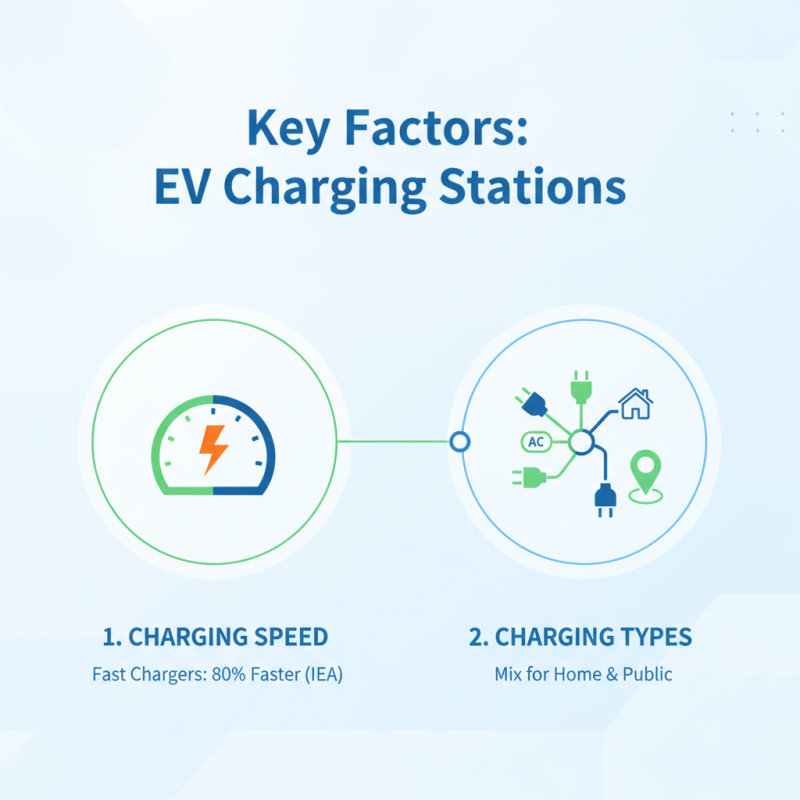
When selecting a new energy vehicle charging station, several key factors warrant attention. First, consider the charging speed. According to the International Energy Agency (IEA), fast chargers can reduce charging time by up to 80%. This efficiency greatly influences user experience, especially in urban settings. A mix of charging types ensures accessibility for all drivers, be it at home or public locations.
Next, evaluate the location of the station. Data from the U.S. Department of Energy indicates that 80% of electric vehicle (EV) charging occurs at home. However, strategically placed public charging stations are crucial for long trips. They should be near amenities like restaurants or shopping centers to engage users while they wait.
Safety and reliability are paramount. The National Fire Protection Association emphasizes the need for compliance with safety standards. Regular maintenance checks are essential. Some stations may falter in performance, leading to user frustration. Therefore, it is necessary to assess accountability for maintenance and customer service when choosing a charging station.
Types of Charging Stations: Level 1, Level 2, and DC Fast Charging
Choosing the right charging station for new energy vehicles is crucial. Understanding the different types of charging stations can help. There are three main types: Level 1, Level 2, and DC Fast Charging.
Level 1 chargers are the simplest. They plug into a standard wall outlet. Typically, they deliver about 2-5 miles of range per hour. This method is perfect for overnight charging at home. However, it may not meet the needs for more frequent use. Users should consider their driving patterns before relying solely on Level 1.
Level 2 chargers provide more power. They are commonly found in public locations. These stations can charge a vehicle in 4-8 hours, offering a range of 10-60 miles per hour. This option suits most drivers who have access to such facilities. In contrast, DC Fast Charging can offer a quick boost. They can charge a vehicle to 80% in about 30 minutes. However, not all vehicles are compatible with this type. It's vital to evaluate your vehicle’s abilities before choosing. Each type has its pros and cons; personal needs and usage patterns matter greatly in this decision.
Evaluating Charging Station Locations for Accessibility and Convenience
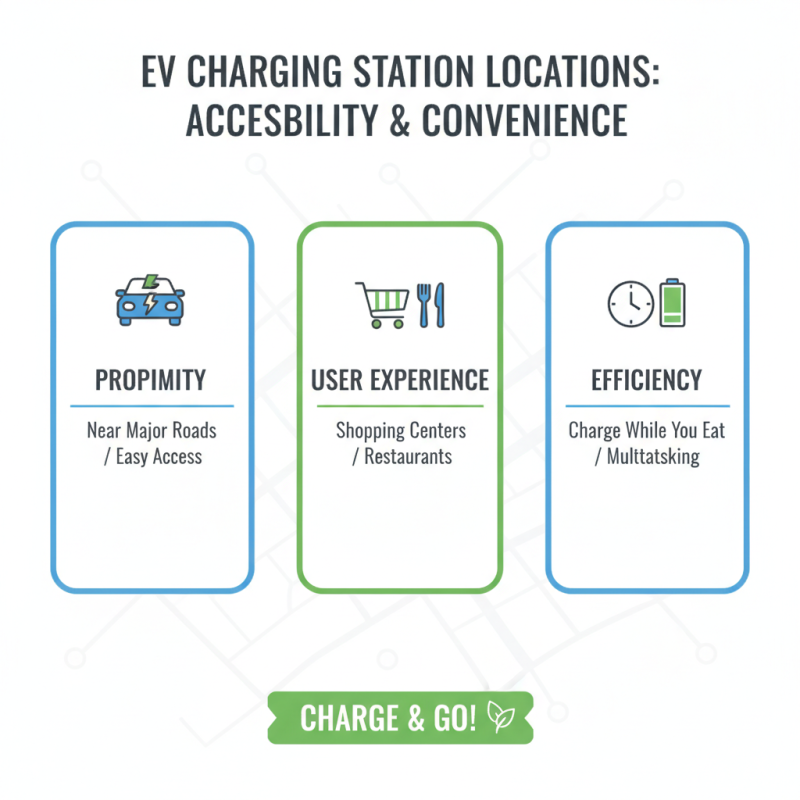
When evaluating charging station locations for new energy vehicles, convenience is key. Proximity to major roads simplifies access. Locations near shopping centers or restaurants enhance the user experience. Imagine stopping for a meal while your vehicle charges. This multitasking makes the process efficient.
Accessibility goes beyond distance. Parking space matters significantly. Ensure stations have ample room for easy maneuvering. Well-lit areas boost safety for users, especially at night. Additionally, check if the station offers multiple charging ports. This helps reduce wait times, which can be frustrating.
Consider the surrounding infrastructure. Good signage makes finding stations easier. If a location lacks visibility, drivers may overlook it. Explore user reviews to assess reliability as well. Personal experiences shared can highlight potential issues. However, remember that not all feedback is perfect. Some reviews may reflect isolated incidents or personal biases. So, reflect on the overall trends.
Analyzing Cost and Incentives for Charging Station Installation
Choosing the right charging station for new energy vehicles involves understanding costs and available incentives. Installation can be expensive, ranging from a few thousand to tens of thousands of dollars. Factors like location and accessibility play a crucial role in the overall expense. Flexibility is important; businesses should consider various models and their installation needs. Learning from others' experiences can help mitigate costs.
Incentives can significantly lower the burden. Many governments offer rebates or tax credits to encourage installation. Local utility companies might provide additional support, too. However, navigating these options can be complex. Understanding potential savings is essential before making decisions. Not all incentives are straightforward. Some are time-sensitive or have minimum requirements that can catch applicants off guard.
It's essential to evaluate long-term benefits against initial costs. Many owners find their stations pay for themselves over time. Yet, this is not always the case. Reflecting on community needs can guide better choices. Each installation should meet specific user patterns to maximize utility. This approach ensures that every dollar spent serves a purpose.