What is the Role of Charging Station Companies in Electric Vehicle Infrastructure?
The expansion of electric vehicle (EV) infrastructure is pivotal in combating climate change. Charging station companies play a crucial role in this transition. According to the International Energy Agency, the number of public charging points worldwide surged to over 1.3 million in 2021, a remarkable 45% increase from the previous year. This growth underlines the demand for more charging stations as EV adoption accelerates.
However, challenges remain in the deployment of reliable charging infrastructure. Many regions still lack sufficient coverage, leading to "range anxiety" among potential EV buyers. Industry reports indicate that by 2030, at least 3 million charging stations will be needed globally to support the anticipated growth in EV sales. Charging station companies must address these gaps while ensuring the reliability and accessibility of their services.
Moreover, the competitive landscape is evolving. While traditional energy providers enter the market, new players are emerging, focusing on innovative solutions. Charging station companies must navigate this complexity, balancing speed of deployment with user-friendly technology. As the market becomes more crowded, consistent quality and service will be critical to fostering consumer trust and driving further adoption.
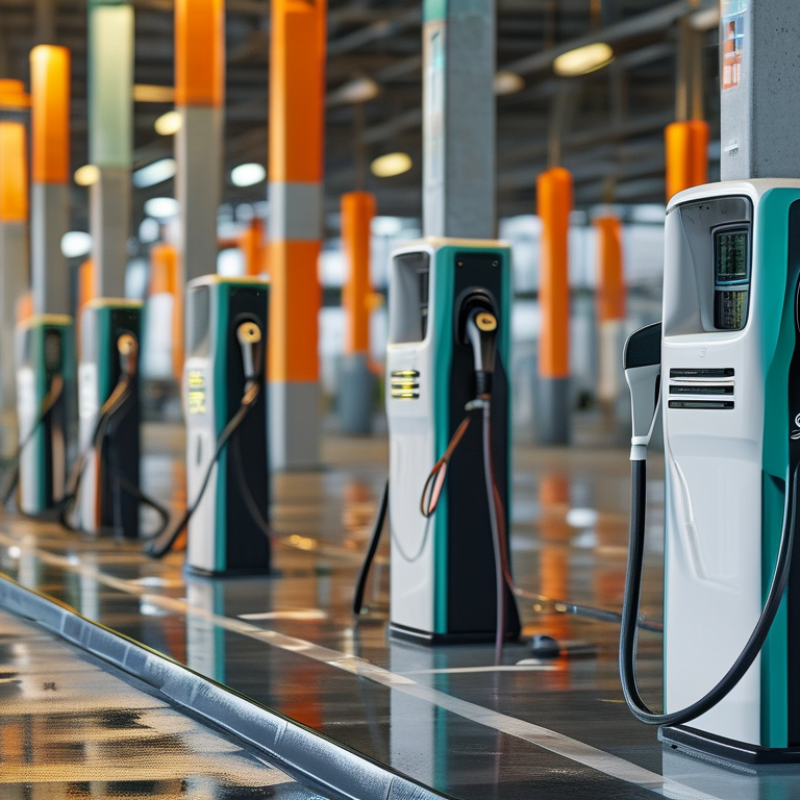
The Importance of Charging Stations in Electric Vehicle Adoption
The rise of electric vehicles (EVs) hinges on robust charging infrastructure. As EV adoption increases, the number of charging stations must keep pace. According to the International Energy Agency, there were over 1.3 million public charging points worldwide in 2021. This number is expected to grow significantly. Charging station companies play a pivotal role in this expansion.
The current landscape presents challenges. Many areas still lack adequate charging facilities. This scarcity can discourage potential EV buyers. In fact, a report from EVBox indicates that 22% of prospective EV owners cite lack of charging infrastructure as a primary concern. Improved accessibility can drive adoption rates higher. Establishing charging stations in strategic locations ensures convenience for users.
**Tips:** Consider incorporating home charging solutions. This can alleviate the pressure on public stations. Encourage local governments to support funding for more charging points. Collaboration between public and private sectors could accelerate infrastructure development.
As the market evolves, station operators must innovate. Charging speed and technology need continuous improvement. A survey by McKinsey reveals consumers are willing to pay more for faster charging options. Addressing these gaps will foster trust and increase EV sales, but challenges still exist that require ongoing attention.
Types of Charging Station Companies and Their Services
Charging station companies play a crucial role in the development of electric vehicle (EV) infrastructure. They provide various types of services and solutions that cater to the needs of EV users. The market is divided into several categories, including public charging networks, home charging solutions, and fast-charging stations. According to the International Energy Agency, global EV sales are projected to reach 23 million by 2030, emphasizing the growing demand for these services.
Public charging networks are essential. They allow EV drivers to charge their vehicles in public spaces. These networks often provide Level 2 chargers, enabling faster charging times compared to standard home chargers. Home charging solutions vary based on the user’s needs. Some companies offer smart home chargers that optimize energy consumption based on local grid prices. Fast-charging stations are crucial for long-distance travel. They can charge a vehicle up to 80% in about 30 minutes, making them a key player in EV adoption.
Tips: Consider installing a Level 2 home charger for convenience. This can cut down on charging time significantly. Always check for the fast-charging stations along your route to avoid unexpected delays. These services are vital for building a reliable EV ecosystem, ensuring that drivers have access to efficient and convenient charging solutions. While the industry is growing, challenges remain. Not all areas have equal access to charging infrastructure, highlighting the need for expansion.
Collaborations Between Charging Stations and Automakers
The collaboration between charging station companies and automakers is crucial for expanding electric vehicle infrastructure. By working together, they can create a more accessible network for drivers. Automakers have the expertise in vehicle technology, while charging companies excel in infrastructure development. This partnership enhances user experience.
Charging stations need to align with automakers’ design and technology goals. Some charging stations may lack the necessary compatibility with certain electric vehicle models. This can lead to frustration for users trying to charge their cars. Additionally, not all charging stations offer fast-charging options. It’s essential for these companies to address these shortcomings to promote a smoother experience.
Consumer confidence can also be affected by inconsistent charging station availability. In many areas, the distribution of charging stations remains uneven. Companies must focus on strategic placement in urban and rural areas alike. This can help alleviate concerns about range anxiety. Stakeholders should regularly assess the charging landscape for improvements. Real partnerships can bring about significant advancements, but reflection on existing systems is critical.
What is the Role of Charging Station Companies in Electric Vehicle Infrastructure? - Collaborations Between Charging Stations and Automakers
| Dimension |
Data Point |
| Number of Charging Stations |
Over 100,000 in the United States |
| Average Charging Time |
30 minutes for fast charging |
| Collaboration Types |
Co-developed charging solutions, revenue sharing agreements |
| Annual Growth Rate of Charging Stations |
25% year-over-year growth |
| Usage Frequency |
3-4 times per week for regular users |
| Impact on EV Adoption |
Increases EV adoption rates by 20% |
| Investment in Infrastructure (2022) |
$1 billion in new charging infrastructure |
| Targeted EV Models |
Focus on mid-range to luxury electric vehicles |
Technological Innovations in Charging Infrastructure
The development of electric vehicle (EV) infrastructure relies heavily on technological innovations in charging stations. As the demand for EVs grows, charging station companies are adapting their technologies to meet these needs. Enhanced fast-charging solutions are emerging, reducing charging times significantly. These advancements make electric vehicles more accessible and convenient for everyday use.
Moreover, innovations such as wireless charging and smart charging technology are on the rise. Wireless charging eliminates the need for cables, making the process seamless. Smart charging systems can manage energy distribution effectively, balancing demand and minimizing costs. However, not all regions have equal access to these innovations. Disparities exist, requiring further efforts to ensure equitable infrastructure development.
Additionally, the integration of renewable energy sources into charging stations is crucial. Companies are exploring solar panels and energy storage systems. These approaches can reduce dependency on traditional grids. Nevertheless, the implementation of such technologies may face regulatory and financial challenges. Addressing these issues will require collaboration among stakeholders in the EV ecosystem.
Future Trends and Challenges for Charging Station Companies
The future of electric vehicle (EV) infrastructure heavily relies on charging station companies. As the EV market grows, projecting a 22% CAGR through 2027, these companies face numerous challenges. Adequate infrastructure is critical. By 2025, there could be a need for over 1.5 million charging stations in the U.S. alone. However, the current number falls short, which creates a gap that needs immediate attention.
Tech integration is another major consideration. Many charging stations lack user-friendly interfaces and network connectivity. Research shows that about 30% of stations are under-utilized. This indicates a need for better location strategies and integration with mapping apps. Charging companies must adapt their services to meet user expectations more effectively. Failure to do so risks falling behind the competition.
Despite opportunities, many companies struggle with funding. The average cost to install a charging station can range from $5,000 to over $40,000, depending on the type and location. This high investment often discourages new entrants. Moreover, regulatory challenges complicate expansion efforts. Charging station companies need to find innovative ways to overcome these hurdles. Continuous investment in technology and customer engagement will be key for their survival and growth in the coming years.