What Is AC Slow Charging and How Does It Work?
AC Slow Charging is a common way to replenish an electric vehicle at home or at a destination. It uses alternating current from a household outlet or wallbox. The vehicle’s onboard charger converts that electricity into direct current for the battery. The charging unit and car communicate, while the car manages the rate it can accept. The exact speed depends on the vehicle, charger, electrical supply, and battery conditions. It is not one fixed rate.
In everyday use, this often means plugging in after a commute and letting the car charge for several hours, perhaps overnight. A dashboard estimate may change as the battery warms or the vehicle adjusts its charging limit. That distinction is easy to miss. “Slow” describes charging speed, not necessarily poor performance or a fault. For many drivers, a steady overnight charge fits regular routines well. Still, charging time can be longer than expected, especially with a basic outlet or a large battery. Check the vehicle manual and charger specifications, and use equipment suited to the electrical circuit. If an outlet feels unusually warm, charging repeatedly stops, or a cable appears damaged, stop and seek qualified advice. The details matter. This guide explains how AC Slow Charging works, what affects its speed, and what practical limits drivers should keep in mind. Real-world results vary, so treat estimated times as guidance rather than a promise.
What AC Slow Charging Means
AC slow charging means supplying an electric vehicle with alternating current at a relatively modest power level. “Slow” is a practical description, not one universal technical category. The vehicle’s onboard charger converts incoming AC electricity into DC for the battery. That conversion, along with the vehicle’s charging limit, affects the actual speed.
The U.S. Department of Energy’s Alternative Fuels Data Center estimates that:
2–5 miles
Level 1 charging typically adds about 2–5 miles of range per hour.
10–20 miles
Level 2 commonly adds around 10–20 miles per hour.
These figures are estimates, not promises: battery size, temperature, and the vehicle’s onboard charger can change the result. A car left plugged in overnight may gain enough range for a daily commute, while a nearly empty battery can take much longer to refill.
That label can mislead. A slower AC connection may suit predictable home parking, where a cable rests beside the vehicle and charging happens for several hours. It may be less practical when a driver needs a quick turnaround. The DOE figures describe typical charging rates, but real-world range added varies by vehicle and driving conditions. Check the vehicle’s specifications and the charging equipment’s rated output before estimating charging time.
The Main Components of an AC Charging Setup
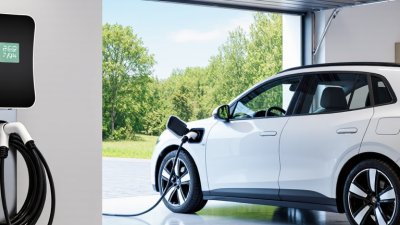
An AC slow-charging setup has a dedicated circuit, a wall-mounted charging unit, and the vehicle’s onboard charger. The circuit carries alternating current from the building’s electrical panel. A correctly rated breaker and grounding help protect the wiring. The charging unit, often called EVSE, checks the connection and communicates with the car before allowing current to flow. It does not usually convert AC to DC. The onboard charger does that, then sends power to the battery. That distinction matters.
The cable and connector complete the path, while built-in monitoring can stop charging if it detects a fault. Some setups also use timers or load management to avoid overloading a home’s electrical service. Their usefulness depends on the existing panel and other appliances; a setup that looks simple on a wall may need careful capacity checks. The International Energy Agency’s Global EV Outlook 2024 reported more than 4 million public charging points worldwide at the end of 2023, roughly 40% more than a year earlier. That figure covers public equipment, not home installations, but it shows how rapidly charging infrastructure is expanding. Slow charging can be convenient overnight. Its actual speed still depends on both the circuit and the car’s onboard charger.
How AC Power Reaches and Charges an EV Battery
At a home socket or AC charging point, electricity arrives as alternating current (AC). The cable and charging unit do not usually send that AC straight into the battery. Instead, the vehicle’s onboard charger converts it into direct current (DC), which the battery cells can store. Think of the charger as a controlled gate: it checks the available supply and sets a safe charging rate. The charging equipment also communicates with the car and provides protective functions, such as stopping power if a fault is detected. That matters.
As charging continues, the battery management system monitors cell voltage, temperature, and state of charge. It can ask the onboard charger to reduce power, especially when the battery is cold, hot, or nearly full. A wall outlet may therefore charge slowly, and the time can vary with the circuit’s capacity and the car’s onboard charger. Not the cable alone. A long overnight session often suits routine use, but the displayed time is only an estimate. One detail is easy to overlook: a warm garage, an older circuit, or a high battery charge level can change the experience. The precise timing is not always intuitive.
What Is AC Slow Charging and How Does It Work?
Illustrative power flow during a 7.2 kW AC charging session
The EV’s onboard charger converts incoming AC electricity into DC power for the battery. In this representative example, conversion and vehicle-side losses reduce 7.2 kW from the AC supply to about 6.6 kW reaching the battery. Actual power varies with the vehicle, charging equipment, battery temperature, and state of charge.
Factors That Affect AC Charging Speed
AC charging speed depends on the slowest part of the charging chain. The wall unit supplies alternating current, while the car’s onboard charger converts it into battery-ready direct current. A powerful wall unit cannot exceed the vehicle’s onboard charging limit. That mismatch is common.
The electrical supply matters, too. A 120-volt outlet generally delivers less power than a dedicated 240-volt circuit. Available current, circuit capacity, and the charging cable’s rating can all limit the rate. A shared circuit may reduce available power, and a long or undersized cable can create additional constraints. Check the equipment specifications rather than judging by the connector’s appearance.
Temperature can change the picture. In cold conditions, a vehicle may limit charging while its battery warms; heat can also trigger protective controls. Near a high state of charge, the car may reduce power to protect the battery. It is easy to blame the charging unit. Sometimes the setting is the issue: a scheduled charging limit or lower current setting can quietly slow a session. I once expected a quick top-up, then noticed the car was set to charge at reduced current. Not every slow session has one obvious cause. A displayed power reading and the vehicle manual can help narrow it down.
Common Uses and Limitations of AC Slow Charging
AC slow charging uses alternating current from a household outlet or dedicated wall unit. The vehicle’s onboard charger converts it into battery-ready direct current. It suits overnight parking, workplaces, and places where a car stays for several hours.
The U.S. Department of Energy’s Alternative Fuels Data Center estimates:
Level 1 charging adds about 2–5 miles of range per hour; Level 2 typically adds about 10–30. Actual speed depends on the vehicle, charger, and conditions. Small details matter.
Its main limitation is time. A nearly empty battery may need many hours to recharge, especially with a basic outlet. That makes slow AC charging less practical for drivers covering long distances daily or needing a quick turnaround. Shared parking can also complicate access: a cable may not reach, or a space may be occupied.
Slow charging is efficient for routine top-ups, but it is not a universal fit. Honestly, the “plug in overnight” routine can still be inconvenient.
Tips: Check your vehicle’s charging limit before installing equipment. Use a properly rated outlet and cable, and avoid extension cords unless the equipment guidance explicitly permits them. Track overnight charging for a week; your real driving pattern may need less charging than expected.