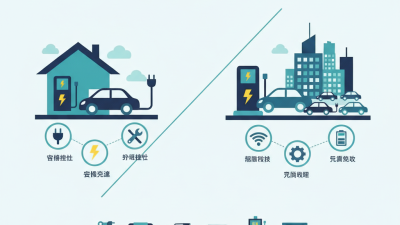
Choosing the best Ev Car Charger for home use now requires more than comparing charging speed and price. It demands evidence, electrical awareness, and a realistic view of daily driving.
The International Energy Agency’s Global EV Outlook 2025 reports that electric car sales exceeded 17 million worldwide in 2024. That growth is increasing pressure on households to charge reliably overnight. The U.S. Department of Energy’s Alternative Fuels Data Center identifies Level 2 charging as a practical residential solution. It typically uses a 240-volt circuit and charges much faster than a standard household outlet. Still, faster is not always better. Your panel capacity, cable route, parking location, and local climate matter.
A suitable home charger should match the vehicle’s maximum AC charging rate. A 7.4-kilowatt unit may suit many drivers, while larger vehicles can benefit from 9.6 or 11.5 kilowatts. Look for verified safety certifications, load management, weather resistance, app reliability, and a cable long enough to reach the charging port. ENERGY STAR guidance also highlights standby efficiency and smart charging performance. These details affect electricity costs and long-term convenience.
Installation quality matters just as much. A licensed electrician should inspect the service panel, grounding, breaker rating, and outdoor protection before installation. A charger can be powerful. The wiring must still be correct. No single model is perfect for every household, and advertised charging speeds can disappoint when the car, circuit, or temperature limits performance. This guide compares the most important specifications, practical ownership concerns, and trusted industry evidence before recommending the best Ev Car Charger for your home.
The best home EV charger is not simply the fastest model. It should match your vehicle, electrical panel, parking location, and daily mileage. The International Energy Agency reported over four million public charging points worldwide at the end of 2023. Yet home charging remains more convenient for drivers with private parking. That matters because most charging happens overnight, beside the kitchen or garage.
A reliable home charger should provide suitable power, weather protection, clear status signals, and tested safety controls. The U.S. Department of Energy states that Level 2 equipment can typically add about 25 to 30 miles of range per charging hour. However, your actual result depends on the vehicle, temperature, cable length, and circuit capacity. I once overestimated charging speed by ignoring an older electrical panel. That mistake changed the installation cost. The best choice also supports load management, especially when heating, cooking, and charging happen together. NREL research highlights the growing need for managed charging as household electricity demand increases.
Tips: Check your vehicle’s maximum AC charging rate before buying. Ask a qualified electrician to inspect the panel and grounding. Choose a charger with a durable cable and readable indicators. Keep the unit close enough for easy connection, but avoid sharp bends and standing water. Smart scheduling can reduce peak-time demand, though app features sometimes feel unnecessary. Simple controls may be better for older users or unstable Wi-Fi. Look for recognized safety certification, not impressive advertising.
The best home charger is not always the most powerful model. Match its output with your vehicle’s onboard AC charging limit. If your car accepts 7.4 kW, a 11 kW charger will not charge it faster. It may only add installation cost.
Check the vehicle manual for maximum AC input. Then inspect your home’s electrical supply with a qualified electrician. A 3.6 kW charger usually draws about 16 amps at 230 volts. A 7.4 kW unit commonly needs around 32 amps. Higher outputs require suitable wiring, circuit protection, and sometimes three-phase power. Local electrical rules matter.
Think about your nightly driving distance. A 7.4 kW charger can add roughly 35 to 45 kilometres of range per hour, depending on the vehicle and conditions. Cold weather, battery temperature, and charging losses reduce that figure. Real results vary.
A larger charger can be useful for future vehicles, but only if the electrical system supports it. Load management may prevent the charger from competing with an oven or heat pump. I once assumed faster charging always meant better value; that view was too simple. Overnight charging often meets daily needs comfortably.
Choose adjustable current control, clear safety protection, and weather-appropriate installation. Avoid extension cords unless the manufacturer and local regulations explicitly permit them. A neat cable route beside the driveway matters too. Small details affect everyday use.
What Is the Best EV Car Charger for Home Use?
The best home charger is not always the fastest one. Its useful features should match your driving routine, electrical supply, and parking conditions. Adjustable charging power matters because older homes may not support maximum output safely. A qualified electrician should check the circuit, grounding, and panel capacity before installation.
Scheduling can reduce charging costs during lower-rate hours. It also prevents the car from charging unnecessarily all night. A clear display or dependable mobile control helps you confirm charging status from indoors. However, app features can fail after updates, so manual controls remain valuable. Weather resistance is essential for outdoor installations, especially where rain, snow, or dust are common. A long, flexible cable can prevent awkward parking, but excessive length may create storage problems.
Tips: Look for certified safety protection, automatic power balancing, and a replaceable cable when available. Measure the distance from the panel to the parking space first. Check whether the charger supports your vehicle’s connector and charging limit. Do not choose based only on advertised speed. Faster is not always better. Leave room for future needs, but question expensive features you may never use. A simple charger with reliable protection often beats a complicated model that demands constant troubleshooting.
| Charging Feature | Typical Home-Use Data | Why It Matters | Best Choice for Most Homes |
|---|---|---|---|
| Charging Level | Level 1 normally uses a household outlet at about 120 volts and approximately 1.4–1.9 kW. Level 2 uses a 208–240-volt circuit and commonly delivers about 3.3–19.2 kW. | Charging level determines how quickly energy is added. Level 1 is convenient but slow, while Level 2 is generally more practical for daily driving. | A Level 2 home charger when regular overnight charging or higher daily mileage is expected. |
| Output Power | Common residential Level 2 settings include 7.2 kW, 9.6 kW, and 11.5 kW. The vehicle may accept less power than the charger can provide. | Higher output can shorten charging time, but it may require a larger circuit and does not improve charging speed beyond the vehicle’s onboard AC charging limit. | Choose output that matches the vehicle, available electrical capacity, and expected daily driving. |
| Circuit and Current Requirements | Typical Level 2 equipment may use 30–80 amps at 240 volts. Under common North American electrical rules, EV charging is treated as a continuous load, so circuit capacity must be sized accordingly. | Correct circuit sizing helps prevent nuisance breaker trips, overheating, and installation problems. | Have a qualified electrician verify the panel, wiring, breaker, grounding, and local code requirements. |
| Charging Connector | AC home charging commonly uses a vehicle-compatible connector such as SAE J1772 or an integrated connector used by some vehicles. Connector requirements vary by region and vehicle. | The charger must physically and electrically match the vehicle. An incompatible connector can prevent charging without a suitable approved adapter. | Select the connector specified for the vehicle and confirm adapter compatibility before installation. |
| Hardwired or Plug-In Installation | Hardwired units are permanently connected to the circuit. Plug-in units use a compatible high-voltage receptacle and can be removable. | Hardwiring can support a cleaner installation and may improve weather protection. Plug-in equipment can offer more flexibility for relocation or replacement. | Use hardwiring for a permanent outdoor or high-power installation; use plug-in equipment only with a correctly installed receptacle. |
| Weather Protection | Outdoor equipment should have a stated outdoor rating, protected cable connections, and a suitable enclosure. Ingress-protection ratings such as IP54 or higher are commonly used for weather-resistant equipment. | Rain, dust, snow, sunlight, and temperature changes can affect durability and safe operation. | Choose equipment explicitly rated for the installation location and protect the connector when it is not in use. |
| Ground-Fault Protection | EV charging equipment generally incorporates personnel-protection functions for leakage or ground-fault conditions. Local electrical codes may also require specific ground-fault protection at the circuit or receptacle. | Ground-fault protection helps reduce the risk of electric shock, particularly in garages, driveways, and other damp environments. | Use certified equipment and follow the applicable electrical code and installation instructions. |
| Cable Length and Management | Home charging cables are commonly available in lengths of approximately 5–7.5 metres, although exact options vary. | A cable that is too short may require repositioning the vehicle or using an extension solution that is not approved for EV charging. | Measure the distance from the installation point to the vehicle inlet and select the shortest practical cable that reaches comfortably. |
| Smart Scheduling | Smart chargers can schedule charging for selected times and may support time-of-use electricity rates when the utility offers them. | Scheduling can reduce charging costs, avoid peak demand periods, and prevent unnecessary charging during expensive hours. | Prioritize reliable scheduling with a manual override and a usable local control option. |
| Load Management | Dynamic load management can reduce charging current when household electrical demand rises and increase it when capacity becomes available. | This feature can help avoid overloading a limited electrical service and may reduce the need for a costly service upgrade. | Consider it when the home has a constrained panel, electric heating, a heat pump, or other high-power appliances. |
| Energy Monitoring | Connected equipment may report charging current, voltage, energy used in kWh, session duration, and estimated cost. | Energy data helps identify charging costs, confirm operation, and monitor household electricity use. | Choose monitoring with clear units, historical records, and an export or reporting option if detailed tracking is important. |
| Connectivity | Smart equipment may use Wi-Fi, Bluetooth, Ethernet, or a combination of connection methods. Some models also provide basic controls without an internet connection. | Connectivity enables remote monitoring, software updates, scheduling, and notifications, but a poor signal can reduce reliability. | Prefer dependable local operation plus connectivity that matches the garage or driveway network conditions. |
| Vehicle and Grid Compatibility | Most home chargers deliver AC power; the vehicle’s onboard charger converts AC electricity to DC for the battery. Charging speed depends on both the charger and the vehicle. | A high-rated charger cannot force a vehicle to accept more AC power than its onboard charger supports. | Compare the charger’s maximum output with the vehicle’s maximum AC charging rate before paying for extra capacity. |
| Safety Certification | Look for recognized independent safety certification applicable to the installation region, together with clear electrical ratings and installation instructions. | Certification indicates that the equipment has been evaluated against relevant safety requirements and supports easier inspection or permitting. | Use certified equipment installed according to the manufacturer’s instructions and local regulations. |
| Warranty and Serviceability | Warranty coverage varies by product and may distinguish between the charging unit, cable, connector, and accessories. | Home chargers are exposed to repeated electrical and environmental stress, so service support and replacement parts can affect long-term value. | Compare warranty duration, exclusions, support availability, and the cost of replacing the cable or connector. |
| Typical Charging Time | Approximate charging time can be estimated as: battery energy required ÷ charging power, with additional time for charging losses and power tapering. A 60 kWh battery receiving 7.2 kW may require roughly 8–10 hours for a near-empty-to-full charge. | Real charging time depends on battery size, starting state of charge, temperature, vehicle limits, and charging losses. | Select a charger that can comfortably replace the energy used during a normal day within the available overnight period. |
| Installation Location | Common locations include an enclosed garage, carport, exterior wall, or driveway-side post. The installation must allow safe cable routing and adequate clearance. | Location affects cable reach, weather exposure, impact risk, convenience, and installation cost. | Install close to the usual parking position while keeping the cable away from walkways, vehicle tires, and standing water. |
Choosing the best home EV charger begins with the property, not the charger’s advertised power. The U.S. Department of Energy’s Alternative Fuels Data Center identifies Level 2 charging as typically using 208–240 volts. This requires a suitable circuit, compatible wiring, and enough spare capacity in the electrical panel. A 22-kilowatt unit may look impressive, but it can be the wrong choice.
A qualified electrician should check panel capacity, cable distance, grounding, and installation conditions before selection. Long cable runs through garages or exterior walls can increase labor costs and voltage drop. Outdoor installations also need weather-resistant equipment, protected outlets, and careful drainage planning. The International Energy Agency reported nearly 14 million electric cars sold globally in 2023, representing about 18% of new car sales. Rising adoption makes reliable residential electrical planning more important.
Smart load management may help older homes avoid expensive panel upgrades. It can reduce charging power when ovens, heat pumps, or dryers operate simultaneously. However, this feature should not replace a proper electrical assessment. I have seen homeowners focus on charging speed while overlooking a narrow service panel or a distant parking space. That mistake creates delays. The quiet details matter. Local installation rules, cable routing, and future vehicle needs should shape the final charger choice. A smaller charger with simpler wiring may deliver better value than a faster model requiring major electrical work. Insist on documented load calculations, clear warranty terms, and installation by a properly qualified professional.
What Is the Best EV Car Charger for Home Use?
The best home charger balances safety, cost, and long-term value. Higher charging power is not always better. A charger should match your vehicle, home wiring, and daily driving needs. Before installation, ask a qualified electrician to inspect the panel, grounding, cable route, and circuit capacity. Look for recognized safety certification, weather protection, overheating control, and automatic fault detection. These details matter when a charger operates beside a garage door, often overnight.
Cost includes more than the purchase price. Installation may require a dedicated circuit, panel upgrades, or longer cabling. A lower-priced unit can become expensive if its cable is short, controls are unreliable, or replacement parts are unavailable. Compare warranty length, repair support, energy monitoring, and software stability. Smart scheduling can reduce charging costs when electricity rates change, but complicated apps may create frustration. My own comparison mistake was focusing too heavily on charging speed.
Tips: Measure your parking distance first. Check the cable reach. Keep the charger away from standing water, heat, and impact risks. Ask whether load management can prevent overloads when cooking or heating runs simultaneously. Review the warranty terms carefully, especially coverage for cables and outdoor use. A durable charger with moderate power may provide better value than a powerful model used occasionally. Recheck your choice after estimating weekly mileage, installation costs, and expected ownership years.
Comparing charging speed, typical installed cost, safety requirements, and long-term value
How to read this chart: Level 1 charging usually uses a standard 120 V outlet. Level 2 charging typically uses a 240 V circuit and provides substantially more energy overnight. Charging-speed estimates assume approximately 3 miles of driving per usable kWh and about 85% AC charging efficiency.
The installed-cost figures are broad North American planning estimates for equipment and electrical work, not fixed prices. For safety and long-term value, choose a charger certified by a recognized testing laboratory, use a properly sized dedicated circuit with required ground-fault protection, and have new 240 V wiring installed by a qualified electrician.