Best Electric Vehicle Charging Station Options for Global Buyers?
As the global shift towards electric vehicles accelerates, finding the right Electric Vehicle Charging Station is essential for buyers. Experts emphasize the importance of reliable options. According to Dr. Jane Thompson, a leading researcher in EV infrastructure, "The availability of efficient charging stations will shape the future of electric mobility."
Different regions face unique challenges. Buyers must consider local regulations and charging speeds. Additionally, some stations may be less accessible than others, creating gaps in coverage. It's crucial to identify these gaps for a seamless experience.
Understanding the technology is vital. Charging station compatibility varies among vehicle models. Each type of station offers distinct advantages and limitations. Consumers need to know what fits their needs best. Without informed choices, misguided investments could lead to frustration. Balancing convenience and efficiency remains a critical pursuit in this evolving landscape.
Overview of Electric Vehicle Charging Station Types
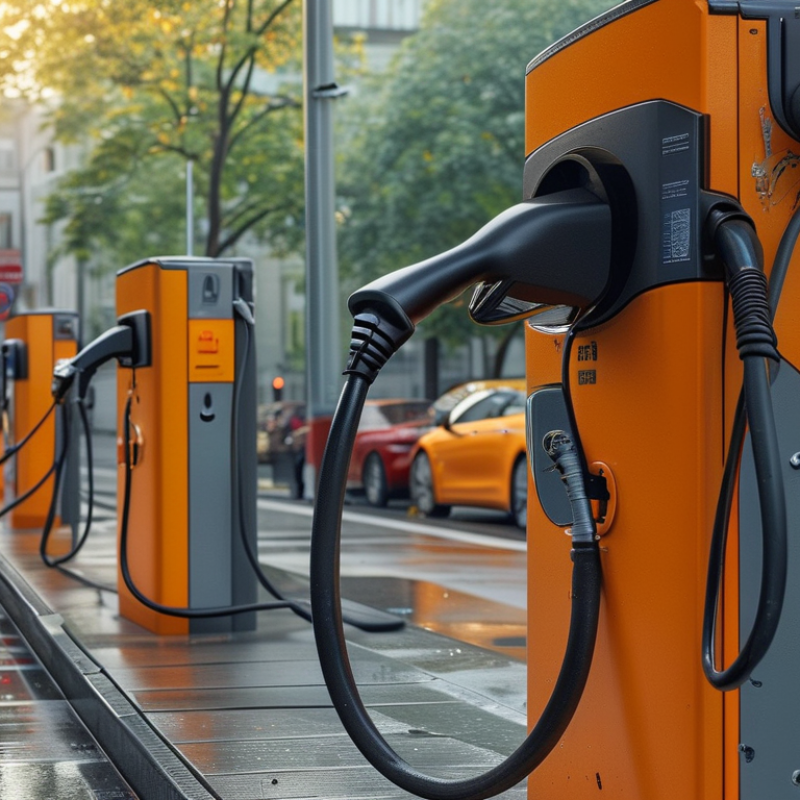
Electric vehicle (EV) charging stations play a crucial role in the transition to sustainable transportation. Understanding the different types of charging stations is essential for global buyers. These stations can be categorized into three main types: Level 1, Level 2, and DC Fast Charging.
Level 1 chargers use a standard 120-volt outlet, making them convenient for home use. They typically deliver 2 to 5 miles of range per hour. They are ideal for overnight charging but may not suffice for daily commuting needs. In contrast, Level 2 chargers operate at 240 volts and can provide 10 to 60 miles of range per hour. These are commonly found in public charging locations and workplaces. According to the U.S. Department of Energy, there are over 110,000 charging stations in the U.S., highlighting the growing infrastructure for EVs.
DC Fast Charging is the most rapid option, delivering up to 100 miles of range in just 30 minutes. However, not every EV is compatible with fast chargers. It is vital to check compatibility before purchasing or using these stations.
Tip: Always have a backup plan. Use apps to locate nearby charging stations. This ensures you won't run out of power during your travels.
Building a charging network comes with challenges. Many regions still lack sufficient infrastructure. This can create range anxiety for potential EV buyers. Continuous investment in charging facilities is crucial. It must align with the increasing number of electric vehicles on the roads.
Key Features to Consider When Choosing a Charging Station
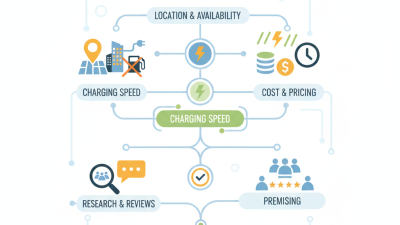
When choosing an electric vehicle charging station, several key features matter greatly. One primary concern is charging speed. Fast chargers can significantly reduce waiting time, making them ideal for busy drivers. It's essential to know the charging rate compatible with your vehicle. Moreover, the location is critical. Ensure the charging station is accessible in your daily routine. A charger too far from home or work can be inconvenient.
Another feature to consider is the durability and weather resistance of the charging unit. Outdoor charging stations must withstand various weather conditions. Look for units with robust casing materials. Additionally, user-friendliness plays a vital role. Are the controls straightforward? Consider charging stations with clear instructions, as not all users are tech-savvy.
Lastly, think about future-proofing. Technology in the EV space evolves rapidly. Investing in a charging station that supports upgrades can save you headaches later. Reflecting on these aspects helps pinpoint the best options for your unique needs.
Top Electric Vehicle Charging Station Brands for Global Consumers
The electric vehicle (EV) market is expanding rapidly, and so is the demand for reliable charging stations. A report by the International Energy Agency (IEA) indicates that global plug-in EV sales increased by 54% in 2021, pointing to a strong need for charging infrastructure. Consumers are looking for versatile and accessible charging options. Various brands are stepping up to meet this need, yet not all stations offer the same reliability.
Top brands stand out due to their extensive networks and user-friendly interfaces. Charging stations differ in speed, type, and accessibility. For example, some stations provide fast-charging capabilities, while others focus on slower, more stable options for home use. Data from the U.S. Department of Energy suggests that consumer preferences are shifting towards stations that offer both fast and standard charging options. Accessibility is key; research shows that over 60% of EV users prefer stations located in urban areas or near shopping centers.
However, not all brands maintain their performance consistently. Variability in charging speeds and unforeseen outages can create frustration. It's important for users to be aware that their experience can vary greatly based on location. According to a J.D. Power study, 30% of users reported dissatisfaction with their last charging experience. This highlights the need for ongoing evaluation of stations and brands in order to improve reliability and customer satisfaction. While the market is growing, challenges remain.
Best Electric Vehicle Charging Station Options for Global Buyers
| Charging Station Type |
Charging Speed (kW) |
Connector Type |
Price Range (USD) |
Key Features |
| Level 1 Charger |
1.4 - 3.7 |
Type A, Type B |
300 - 600 |
Home Use, Portable |
| Level 2 Charger |
3.7 - 22 |
Type 1, Type 2 |
500 - 2,500 |
Faster Charging, Residential and Commercial |
| DC Fast Charger |
50 - 350 |
CHAdeMO, CCS |
10,000 - 40,000 |
Supercharging, Commercial Use |
| Wireless Charger |
Up to 11 |
N/A |
2,000 - 10,000 |
Convenient, No Cables |
| Solar Charger |
Varies |
Type 1, Type 2 |
1,500 - 5,000 |
Eco-Friendly, Renewable Energy |
Regional Considerations for Electric Vehicle Charging Solutions
When considering electric vehicle (EV) charging solutions, regional factors play a crucial role. Availability of infrastructure, electricity sources, and local regulations can impact the effectiveness of charging stations. In urban areas, fast-charging stations may well serve high-density populations. In contrast, rural regions might benefit from Level 2 chargers, as they offer a more accessible option for long-distance travel.
Tip: Research local charging networks before purchasing an electric vehicle. Different regions have different priorities, and knowing your area's offerings can save you time and frustration.
Moreover, the sustainability of energy sources is vital. Some areas rely heavily on fossil fuels, while others prioritize renewable energy. Understanding your region’s energy landscape helps in selecting the right charging station. It could influence the carbon footprint of your EV usage and overall sustainability.
Tip: Stay informed about changes in local energy regulations. Many regions are evolving their policies to support better EV infrastructure, which may open new options for charging your vehicle.
Global Electric Vehicle Charging Station Options
This bar chart illustrates the distribution of different types of electric vehicle charging stations across various regions. The data showcases the growing adoption of charging infrastructure necessary for supporting the increase in electric vehicle use globally.
Future Trends in Electric Vehicle Charging Infrastructure
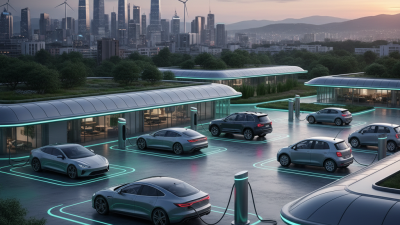
As electric vehicles (EVs) gain popularity globally, the infrastructure to support them is evolving rapidly. Future trends indicate a significant increase in charging station availability, especially in urban areas. Fast-charging stations are likely to emerge, enabling quick recharges during daily commutes. This convenience may play a crucial role in consumer adoption.
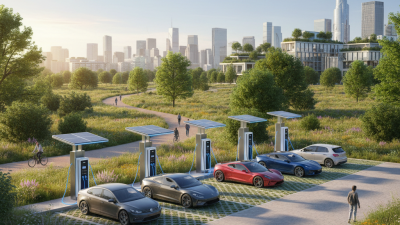
With the rise of renewable energy sources, many charging stations are integrating solar or wind power. This shift enhances sustainability and reduces reliance on non-renewable energy, appealing to environmentally conscious consumers. Smart technology is also on the rise. Charging stations equipped with mobile apps can show real-time availability and monitor charging status.
Tips for EV owners: choose charging stations based on your daily routes. Using apps for station locations can save time. Check for multiple payment options at stations to avoid inconvenience. Efficiency is key; be mindful of peak hours at popular locations. These points can help in making the most of the growing charging infrastructure.