How to Find the Best Electric Vehicle Charging Station Options?
As electric vehicles (EVs) become more popular, finding the right Electric Vehicle Charging Station is crucial. Awareness of charging options can enhance your EV experience. It is not just about convenience; it's about planning. Where and how can you charge your vehicle?
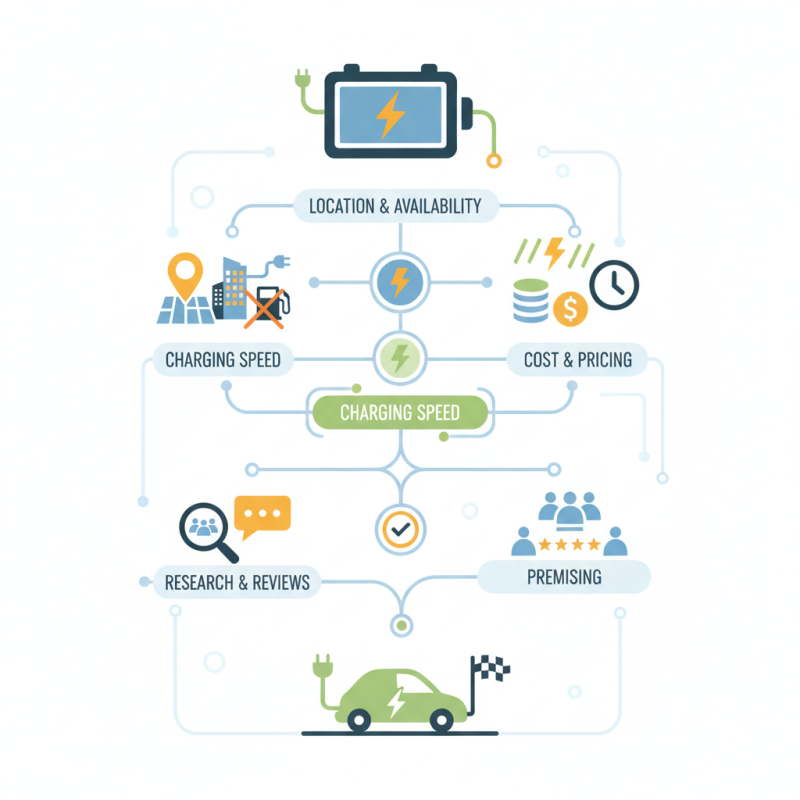
Several factors influence your choice of a charging station. Locations may vary in availability and cost. Some areas may lack adequate infrastructure. This can lead to frustration when you're in need of a charge. Moreover, charging speeds can differ significantly among stations. Understanding these variables can help you avoid common pitfalls.
Realizing the importance of thorough research is key. Not all charging stations offer the same service quality. Users often share their experiences online. Reviewing these insights can help identify reliable options. Seek stations that provide clear pricing and accessibility details. With this knowledge, you’ll feel empowered to choose a suitable Electric Vehicle Charging Station for your journeys.
Understanding Different Types of Electric Vehicle Charging Stations
Understanding the different types of electric vehicle (EV) charging stations is crucial for EV owners. There are three main levels: Level 1, Level 2, and DC fast charging.
Level 1 uses a standard household outlet. It takes a long time to charge and is best for home use. This method may take over 12 hours to fully charge a vehicle, making it less suitable for those needing quick power.
Level 2 chargers are more efficient. They are commonly found in public charging stations and can provide a full charge in about 4 to 6 hours. According to the U.S. Department of Energy, Level 2 stations can deliver 10 to 20 miles of range per hour. This is a practical option for daily commutes or when you park at work for several hours.
DC fast chargers are ideal for long trips. They can recharge a vehicle to 80% in just 30 minutes. However, these chargers are not as widely available.
Tips for finding the best option include using charging station finders online. Check for station availability and charging speed. This helps ensure a smoother journey. Pay attention to the locations of these stations and their charging times.
Evaluating Charging Station Locations: Convenience and Accessibility
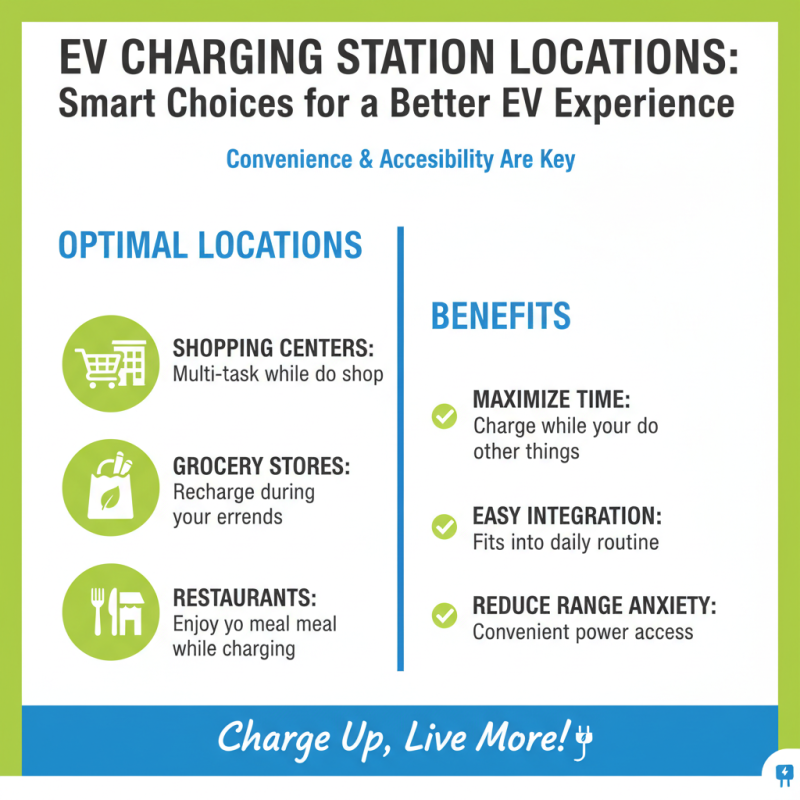
Finding the right location for an electric vehicle charging station can influence your EV experience significantly. Convenience is key. Look for charging stations near shopping centers, grocery stores, or restaurants. These locations allow for multi-tasking while your car charges. A quick shopping trip can coincide with recharging your vehicle.
Accessibility is another essential factor. Consider how easy it is to get to a charging station. Some stations are located along busy routes, while others may require detours. Evaluate parking space and station layout. A cramped design can be frustrating, especially in high-traffic areas. Pay attention to safety as well; well-lit and secure environments enhance your overall charging experience.
Checking real-time availability is important. Many charging networks provide apps that show station status. However, technology can fail, leading to unexpected delays. Have a backup plan in case your first choice is unavailable. By reflecting on these aspects, you can make informed decisions about where to charge, maximizing both your time and efficiency.
Comparing Charging Speeds: Level 1, Level 2, and DC Fast Charging
When exploring electric vehicle (EV) charging options, it's essential to understand the differences between charging speeds. Charging stations fall into three main categories: Level 1, Level 2, and DC Fast Charging. Each level offers distinct speeds and functionalities, impacting your EV experience.
Level 1 charging uses a standard household outlet. It's the slowest option, delivering about 2 to 5 miles of range per hour. This may be acceptable for overnight charging at home. However, if you need quicker solutions, it’s insufficient for long trips. In fact, the Department of Energy states that Level 1 chargers are best for users with low daily mileage.
Level 2 charging is a step up, providing approximately 10 to 60 miles of range per hour. Many public charging stations feature Level 2 options, making it easier to top off during errands. According to a recent report, 70% of public EV charging stations are Level 2. This option is more practical for daily commuters. However, reliance on these stations may lead to availability issues during peak hours, highlighting the need for strategic planning.
DC Fast Charging provides the quickest charge, achieving up to 80% battery in roughly 30 minutes. These stations are increasingly common along highways. However, users must consider varying availability and the potential cost of using these services. Long waits at popular locations can be frustrating, underscoring the importance of awareness and planning.
Choosing the right charging station requires careful evaluation of your daily needs and travel patterns. Understanding these charging options can help ensure a smoother EV experience.
How to Find the Best Electric Vehicle Charging Station Options?
| Charging Level |
Charging Speed |
Typical Use Case |
Charging Time (0-100%) |
Common Locations |
| Level 1 |
4-7 miles/hour |
Home Charging |
8-12 hours |
Residential Garages |
| Level 2 |
10-25 miles/hour |
Public Charging |
4-8 hours |
Shopping Malls, Workplaces |
| DC Fast Charging |
60-80 miles/20 minutes |
Long Distance Travel |
30 minutes |
Highway Rest Areas |
Assessing Cost and Payment Options for Charging Stations
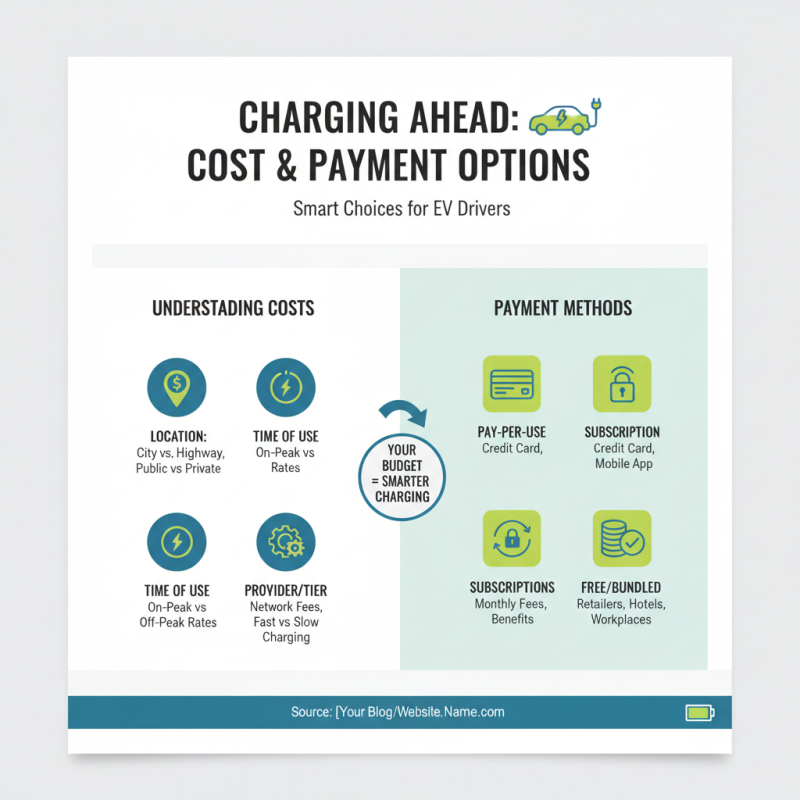
Finding the right electric vehicle (EV) charging station involves evaluating various factors, particularly cost and payment options. Understanding these factors ensures more efficient charging experiences. Look at the fee structure for charging stations you may use. Costs can differ widely based on location, provider, and time of day. Some stations have a pay-per-use model, while others offer subscription plans. This variability can impact your overall charging budget.
Payment options also vary. Many stations accept credit cards and mobile payments, but not all are equipped for contactless transactions. Some rely on apps for payment, which can complicate the process if you're unfamiliar with them. Remember, it's essential to check for any hidden fees that may apply. Transparency is key, yet some providers might obscure their total costs until you receive a bill.
As you explore these options, keep in mind that convenience does not always mean cost-effective. In some areas, free charging is available, but may involve limitations. Ensure you weigh the balance between convenience and affordability. Moreover, the availability of charging stations can also be an issue. In underserved areas, you may pay more for fewer choices, leading to potential frustration. Take time to evaluate your local resources and be mindful of the trade-offs involved.
Utilizing Mobile Apps and Tools to Locate Charging Stations
Finding a suitable electric vehicle (EV) charging station can be challenging. Fortunately, mobile apps have emerged as invaluable tools for EV owners. These apps allow users to quickly locate charging stations nearby and often provide real-time availability updates. Knowing whether a station is in use or available saves time and frustration while on the road.
Many apps include user-generated reviews and ratings, helping EV owners select the best stations. These reviews often share personal experiences, revealing which locations are well-maintained or where chargers tend to malfunction. However, these ratings can vary widely. Sometimes, the latest feedback isn't yet reflected, leading to unexpected inconveniences.
In addition to finding stations, some apps let users filter by charging speed or connector type. This feature is particularly useful for those needing a quick charge versus a leisurely one. While these tools enhance the charging experience, users should remain aware of their limitations. Network coverage may not be consistent, and not every station is listed. Staying prepared with alternatives is always a wise strategy.