What Are China's Top EV Charging Pile Suppliers?

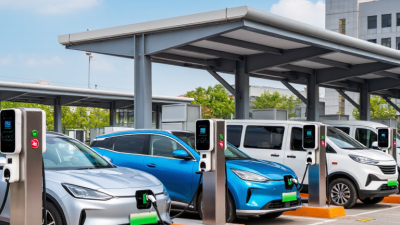
China’s electric-vehicle charging market is growing at a remarkable pace. The International Energy Agency’s Global EV Outlook 2024 reports that the global public charging network exceeded four million points in 2023. China accounted for about 70% of that network and 85% of public fast chargers. These figures show why the Charging Pile Industry matters to automakers, fleet operators, and drivers planning long-distance trips.

But scale alone does not identify the best suppliers. A charging pile must deliver dependable power, clear operating data, and practical support after installation. At a highway service area, a fast charger’s rated output matters; so do connector compatibility, uptime, and repair response when a screen goes dark. IEA data provides useful market context, but it does not rank individual companies or verify every product claim.

This guide examines leading Chinese suppliers through their products, deployment experience, and market presence. It also considers the differences between public fast-charging networks, residential units, and commercial systems. No single supplier is right for every project. Specifications can look impressive on paper, yet real-world performance still deserves scrutiny. The comparisons ahead offer a starting point, not a substitute for checking certifications, local service capacity, and project-specific requirements.
What Are China's Top EV Charging Pile Suppliers?

China’s EV Charging Pile Industry and Market Structure

China’s EV Charging Pile Industry and Market Structure

China’s EV charging pile industry is a network of equipment makers, site operators, component suppliers, and service providers. Each plays a different role. Equipment makers assemble chargers, cabinets, connectors, and monitoring software. Operators decide where units go and how drivers access them. Property managers, fleet companies, and local utilities may also shape a project.

The market serves several settings. A city curbside charger needs compact design and reliable payment access. A bus depot may require high-power units, careful load planning, and overnight maintenance. Highway sites face different demands, including fast turnover and dependable service. These differences make “top supplier” a practical question, not just a ranking. That matters.

Many projects also depend on interoperability, installation quality, and maintenance response. A polished charger is not enough if a damaged connector stays unrepaired. Suppliers may compete on cost, product range, software, or after-sales support, but the value of each depends on the site. The structure looks neat on paper, perhaps too neat: procurement, grid capacity, and real-world usage can complicate it. Operators should compare uptime records, service coverage, and compatibility—not only the quoted price.

How Leading Charging Pile Suppliers Are Identified

Identifying leading charging pile suppliers requires more than comparing advertised power ratings. Buyers should examine documented uptime, fault rates, and performance in heat, rain, and dust. Numbers matter. A site reference can show whether units keep working during busy evening charging periods. Check connector compatibility, load management, remote diagnostics, and the availability of replacement parts. Suppliers should provide commissioning records, safety test documentation, and clear maintenance instructions.

Technical capability is only part of the assessment. Ask how support teams diagnose a failed unit and how quickly spare components can be delivered. Request sample service reports and verify warranty terms before comparing quotations. Site visits help. Observe cable handling, screen readability, and whether technicians can access components without dismantling the entire cabinet. These small details affect daily operations. Independent testing and traceable quality records strengthen confidence, while vague claims deserve follow-up questions. A supplier may perform well in one climate but struggle elsewhere. Local operating conditions should guide the final review, even when that makes a simple ranking less convincing.

Profiles of Major Chinese EV Charging Pile Suppliers

China’s EV charging-pile suppliers are not all alike. Some focus on manufacturing chargers, while others combine equipment with software, installation, and maintenance. “Top” can mean high production capacity, dependable field service, or strong support for public networks. The label depends on the buyer’s needs.

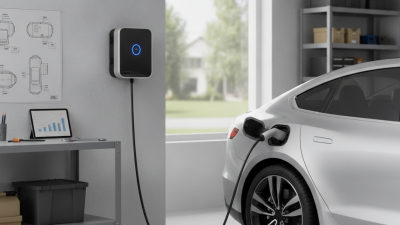
Hardware-led suppliers typically offer AC chargers for workplaces and homes, alongside faster DC units for busy sites. Look for clear power ratings, weather protection, and practical cable storage. A unit beside a highway faces different demands from one in an apartment garage. Ask how suppliers test equipment under heat, rain, and repeated daily use. Specifications matter, but they do not tell the whole story.

Other suppliers build charging systems around energy management and station operations. Their platforms may help operators monitor faults, manage user access, and review charging sessions. For fleet depots, scheduling tools can reduce queues when vehicles return together. For property owners, installation planning and repair response may matter more than a long feature list. Check service coverage in the intended region, not just the sales brochure. Details get missed. Supplier profiles also change as products and partnerships evolve, so comparisons deserve a second look.

Charging Technologies and Product Types

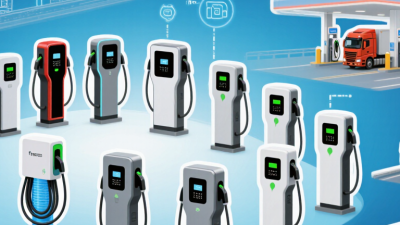
China’s charging-pile suppliers offer several distinct technologies. AC chargers suit homes, offices, and overnight parking; their lower power output is less demanding on site electrical capacity. DC fast chargers convert power inside the unit and serve highway stops, taxi depots, and busy urban hubs. Some systems use separate power cabinets and dispensers, allowing operators to distribute capacity across multiple parking bays. Others combine both in one enclosure. Practical details matter: cable reach, weather protection, connector access, and whether a vehicle can charge without blocking another space.

Power ratings alone can mislead. High-power DC equipment may require costly grid upgrades, while smart load management can share available electricity across chargers. Liquid-cooled cables can support higher power, but add cooling components that need inspection and maintenance. The International Energy Agency’s Global EV Outlook 2024 reports that public charging points worldwide grew by about 40% in 2023, exceeding four million. That rapid expansion makes reliability and network compatibility as important as headline charging speed. Check performance under repeated use, not just laboratory ratings. A charger is only useful when drivers can reach it, connect easily, and complete a session. There is no perfect type; site conditions decide more than brochures suggest.

Comparing Supplier Strengths, Coverage, and Applications

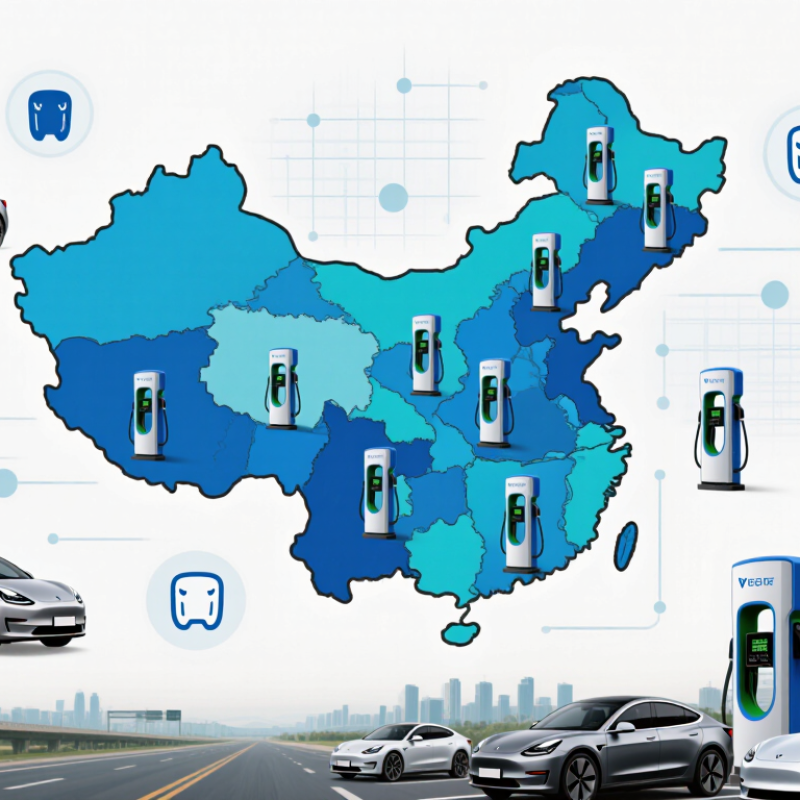
China’s charging-pile suppliers differ less by headline power than by coverage, service capacity, and target applications. The International Energy Agency’s Global EV Outlook 2024 reports that China had over 2.7 million public charging points by the end of 2023, nearly 70% of the global total. That scale supports national networks, but regional reach and maintenance response still vary. A supplier with dense urban coverage may be less practical for a remote highway site.

For city parking, compact AC units and clear payment systems can matter more than peak output. Fleet depots need dependable overnight charging, load management, and fast fault repair. Highway operators typically prioritize high-power DC equipment and accessible service teams. Compare connector options, operating uptime, software compatibility, and spare-parts availability. Ask for site-level performance records, not only product specifications. Numbers can look tidy; real-world uptime is messier.

Tips: Match supplier coverage to your sites. Request references from similar projects, then verify response times and charging records. Check how equipment performs during peak demand, when several vehicles charge at once.