Top 10 Ev Charging Gun Options for Global Buyers?
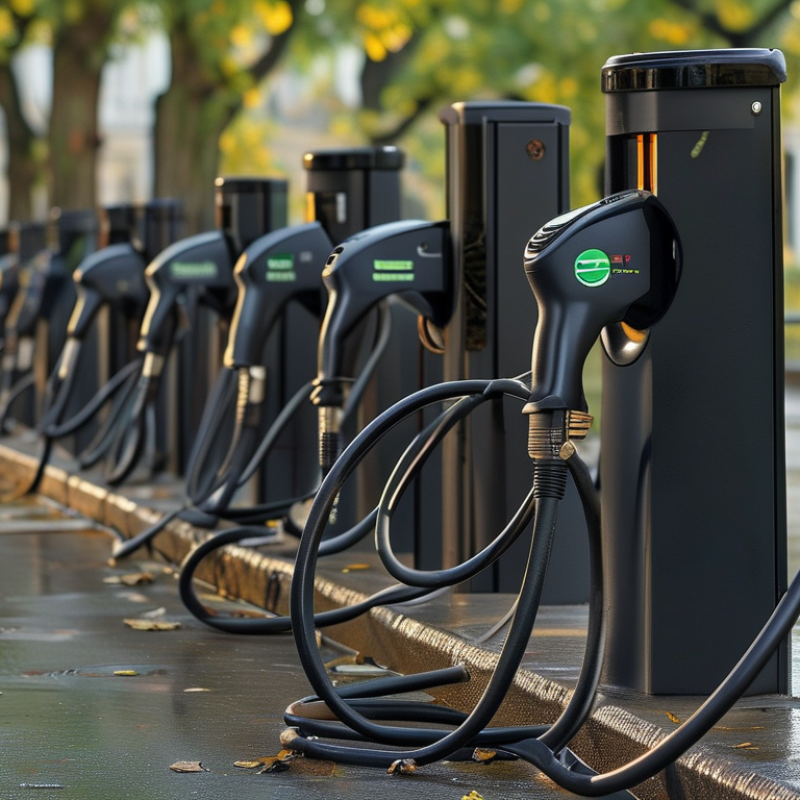
As electric vehicles (EVs) gain popularity, the demand for efficient charging solutions increases. The EV Charging Gun plays a crucial role in this transition. It serves as the bridge between the vehicle and the power source. Choosing the right charging gun can impact your EV experience significantly.
Many options are available in the market. Each EV Charging Gun has unique features, benefits, and potential drawbacks. With varying compatibility, pricing, and build quality, the choices can be overwhelming. Buyers must consider their specific needs and preferences when selecting a charging gun.
Understanding these options is essential for maximizing charging efficiency. While some guns may excel in speed, others may focus on durability or convenience. It's important to reflect on what qualities matter most to you. This guide highlights the top 10 EV Charging Gun options for global buyers, helping you navigate your choices intelligently.
Overview of EV Charging Guns and Their Importance
Electric vehicle (EV) charging guns play a crucial role in the shift towards sustainable transportation. These devices are essential for efficiently transferring energy from the power source to the vehicle. They directly impact how quickly and effectively EVs can recharge, which influences consumer confidence in electric mobility.
Many buyers prioritize compatibility and charging speed when choosing a charging gun. It's vital to consider the types of connectors available. Not all charging guns fit every EV model. Additionally, the ease of use of these devices can enhance the charging experience. Many users find excitement in new technologies but often express frustration when encountering compatibility issues.
Understanding factors like charging power and safety standards is also important. A reliable charging gun ensures safe and efficient operation. Yet, users should remain aware of the potential for technical glitches. Knowledge about how these devices function can lead to improved efficiency and save time. Overall, the right charging option can transform the EV experience, making it seamless and enjoyable.
Key Features to Consider When Choosing an EV Charging Gun
When selecting an EV charging gun, several key features must be considered. Firstly, compatibility with various EV models is crucial. Not all charging guns support every vehicle type, and the connection standards vary globally. As of 2023, nearly 30% of EV owners reported issues with compatibility, highlighting the need for a universal or adaptable solution.
Charging speed is another vital aspect. Fast chargers can deliver up to 350 kW, significantly reducing charging time. According to a report by the International Energy Agency, about 80% of EV users prefer chargers that can provide 80% charge within 30 minutes. However, not every charge point can meet this demand, causing frustration for users who may face delays during busy periods.
Lastly, safety features warrant attention. Many charging guns include built-in protections against overcurrent and overheating. Statistics show that devices with inadequate safety measures account for a notable percentage of early equipment failures. Buyers should not overlook the importance of these features, as overlooking them can lead to long-term issues and increased replacement costs. The EV industry is still evolving, and customers must remain informed to make reliable choices.
Top 10 EV Charging Gun Options for Global Buyers - Key Features to Consider When Choosing an EV Charging Gun
| Charging Gun Type |
Connector Type |
Power Rating (kW) |
Cable Length (m) |
Weatherproof Rating |
Safety Features |
| Type 1 |
SAE J1772 |
7.2 |
5 |
IP54 |
Overcurrent Protection |
| Type 2 |
Mennekes |
11 |
7 |
IP65 |
Temperature Control |
| CCS |
Combo 1 |
150 |
3 |
IP67 |
Ground Fault Detection |
| CHAdeMO |
CHAdeMO |
50 |
4 |
IP55 |
Emergency Stop |
| Portable |
Type 2 |
3.6 |
10 |
IP54 |
Overvoltage Protection |
| Smart |
Type 2 |
22 |
6 |
IP65 |
Remote Monitoring |
| Home Charger |
Type 2 |
7.4 |
5 |
IP55 |
Surge Protection |
| Fleet Charger |
SAE J1772 |
80 |
7 |
IP66 |
Smart Load Management |
| Level 1 Charger |
NEMA 5-15 |
1.4 |
3 |
IP20 |
Overheat Protection |
| DC Fast Charger |
Combo 2 |
350 |
3 |
IP68 |
Integrated Cooling System |
Top 10 EV Charging Gun Options for Global Buyers
The electric vehicle (EV) market is rapidly expanding, with sales expected to reach 26 million units globally by 2030, according to recent industry reports. This surge in demand drives the need for efficient EV charging solutions. Charging guns, also known as connectors or cords, play a vital role in the charging ecosystem. They must comply with safety standards and enhance compatibility across various EV models.
Different countries have different charging standards. For instance, Europe often uses Type 2 connectors, while the U.S. generally prefers the J1772 design. Manufacturers are responding to this diversity by developing versatile charging guns. A report from the International Energy Agency indicates that the global charging infrastructure must expand eightfold by 2030 to support a growing EV population. This presents opportunities for innovative designs that enhance user experience while ensuring safety.
Challenges exist in terms of durability and speed. Many charging guns struggle under high demand or extreme weather conditions. Material selection and design intricacies can influence longevity and performance significantly. The ongoing advancements in technology and materials are shaping the future of charging solutions. However, these innovations also require a careful balance between cost and efficiency. Stakeholders in the EV market should closely monitor these factors to ensure they meet evolving consumer needs.
Comparison of Charging Speeds and Compatibility
When exploring EV charging options, speed and compatibility are crucial factors. Current data indicates that charging speeds vary significantly among different gun types. For instance, Level 1 chargers deliver around 2 to 5 miles of range per hour, while Level 2 chargers can provide 10 to 60 miles in the same timeframe. Fast chargers, often categorized as DC Fast Charging, can achieve an 80% charge in just 30 minutes. This information highlights the stark differences in charging capabilities.
Compatibility also plays a vital role in selecting an EV charging gun. Not all chargers work with every vehicle model. The Society of Automotive Engineers (SAE) has established standards, such as CHAdeMO and CCS, for DC chargers. It's essential for buyers to consider their vehicle’s charging port type. Moreover, research suggests that nearly 40% of EV owners report challenges related to charging compatibility. This statistic underscores the importance of understanding the technological landscape before making a purchasing decision.
While many options boast advanced features, not every charger performs equally. Some models may overheat or have limited durability, affecting their long-term usability. Buyers often face dilemmas due to these inconsistencies. Understanding the specifications and performance history of charging guns can lead to better choices and reduced frustration in the future.
Pricing and Warranty Considerations for EV Charging Guns
When considering EV charging guns, pricing and warranty are crucial. The cost of EV chargers varies widely. Basic models may start around $300, while advanced options can exceed $1,000. According to industry reports, the global EV market is expected to reach $802.81 billion by 2027, creating a competitive environment for pricing.
Warranty considerations also play an important role. Most manufacturers offer warranties ranging from one to three years. Some high-end devices may have extended warranties, providing peace of mind. A study by ResearchAndMarkets shows that warranties improve consumer confidence, especially with the rapid growth of electric vehicles.
Selecting an EV charging gun requires careful thought. Not all products offer the same reliability. Research indicates that chargers with comprehensive warranties tend to perform better over time. However, some consumers mistakenly overlook warranty details, leading to frustration later on. It’s important to balance initial costs with long-term viability.